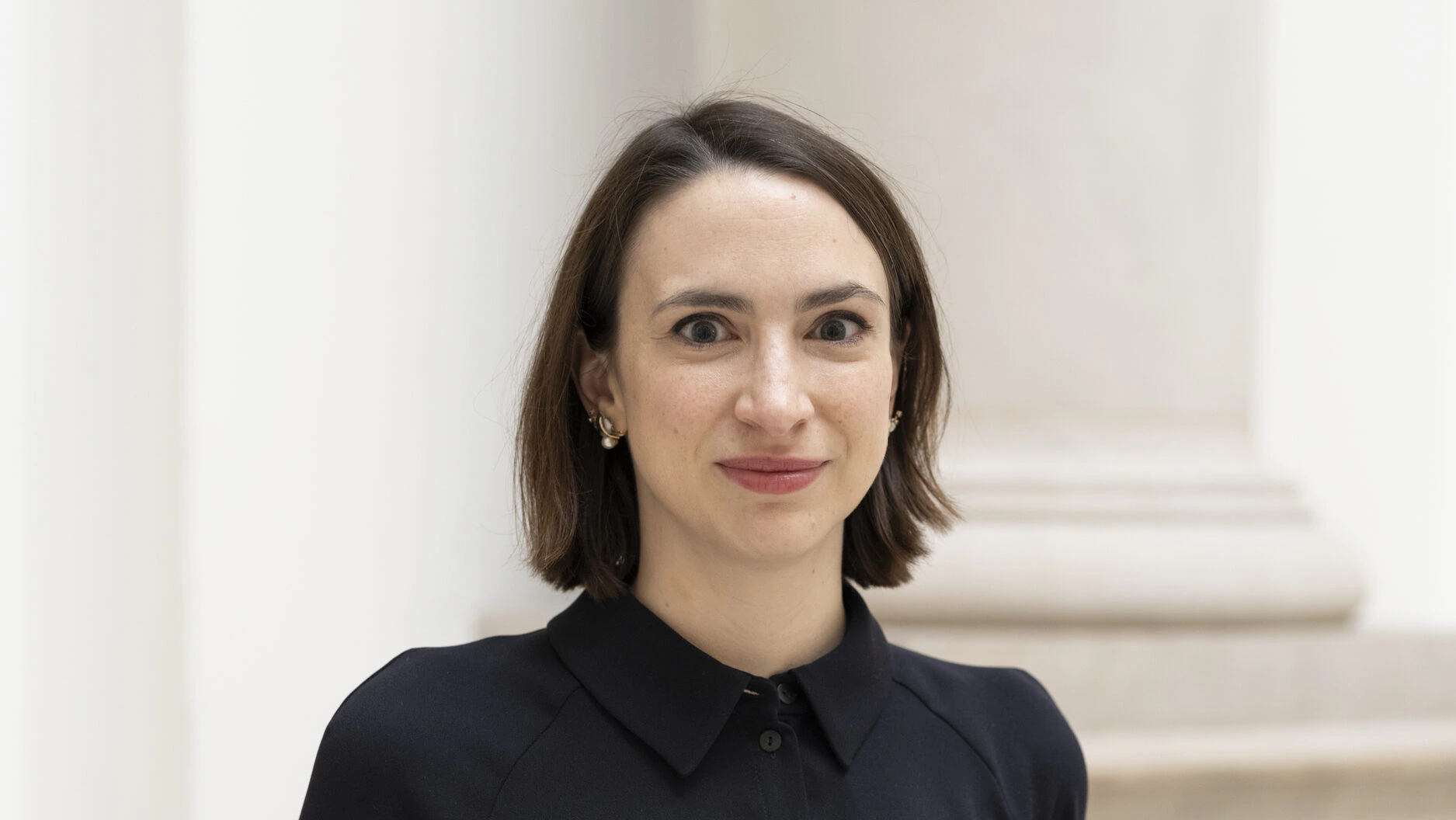
Hilary Floe is the curator of the largest retrospective of photographer Lee Miller ever held, which is at Tate Britain until 15 February 2026.
Miller, who was born in 1907 in New York State, initially studied painting and stage design, before her time as a professional model inspired her to pursue photography. During her a career she travelled across Europe and Africa, creating images that featured in fashion magazines, newspapers, art books and photojournalism publications.
Her work spanned war reportage, portraiture, landscapes and much more. She worked with figures such as the surrealist Man Ray and film-maker Jean Cocteau and was friends with artists such as Isamu Noguchi, Dorothea Tanning and Henry Moore.
The exhibition at Tate Britain includes about 230 vintage and modern prints, some of which are on display for the first time. These are presented alongside archive material, including examples of the many magazines where Miller’s work appeared.
Why does Lee Miller resonate with people today?
Well, she had an extraordinary life, and went everywhere and knew everyone. She had a gift for being where it was happening and was working through some of the most turbulent decades of the 20th century, times that have shaped our society today.
Advertisement
The recent film with Kate Winslet shed a real spotlight a particular chapter of her life, from 1944 to 1945, when she was a war correspondent in Europe and while it is a very important part of her work, it’s only a fraction of her career. Biographical treatments such as this have stirred a lot of interest in her but I think what's actually slightly forgotten sometimes is her photographs.
She made amazing work and was able to do this because she was so charismatic, intelligent, determined and fearless, and also so alive to incongruity, the unexpected and the uncanny. It's the biggest show that's ever been done on her but we could have filled it eight times over.
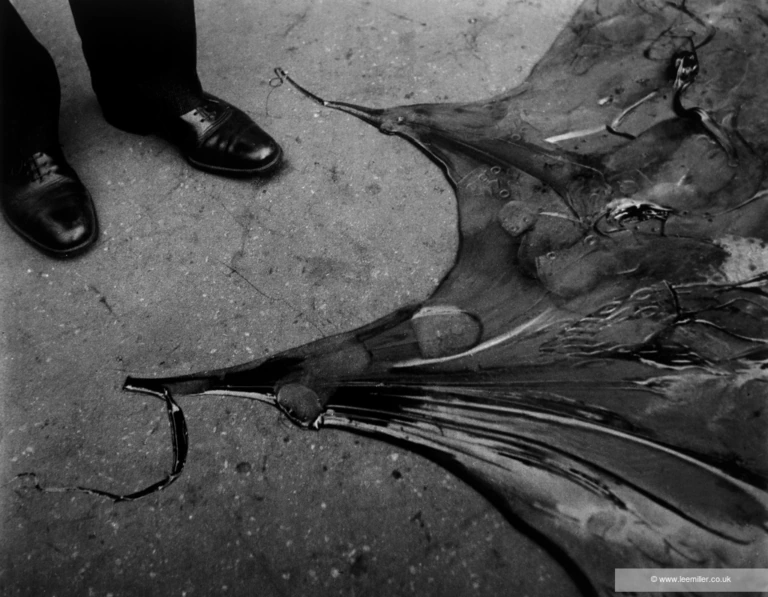
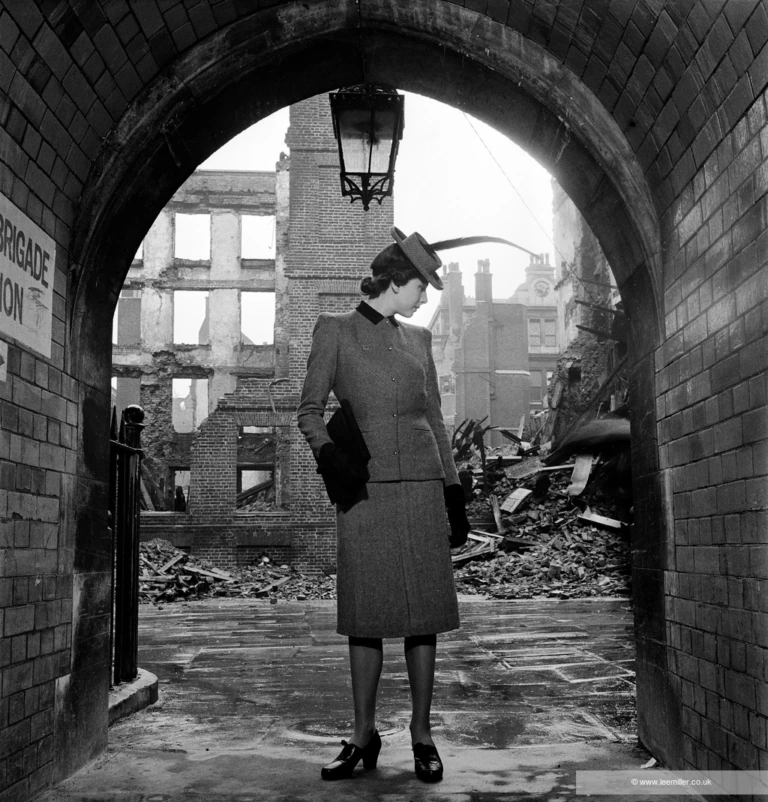
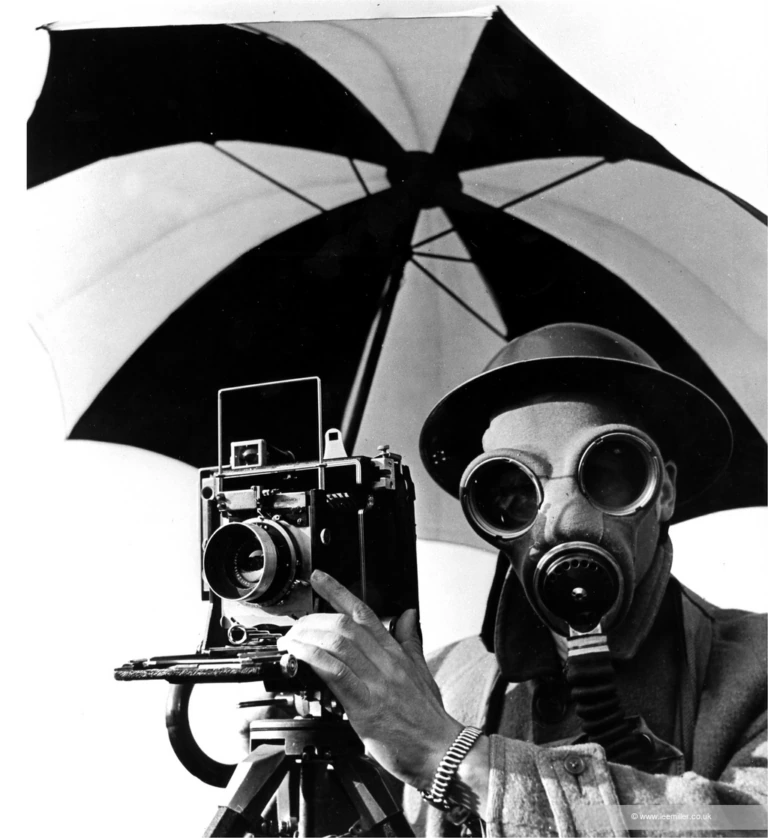
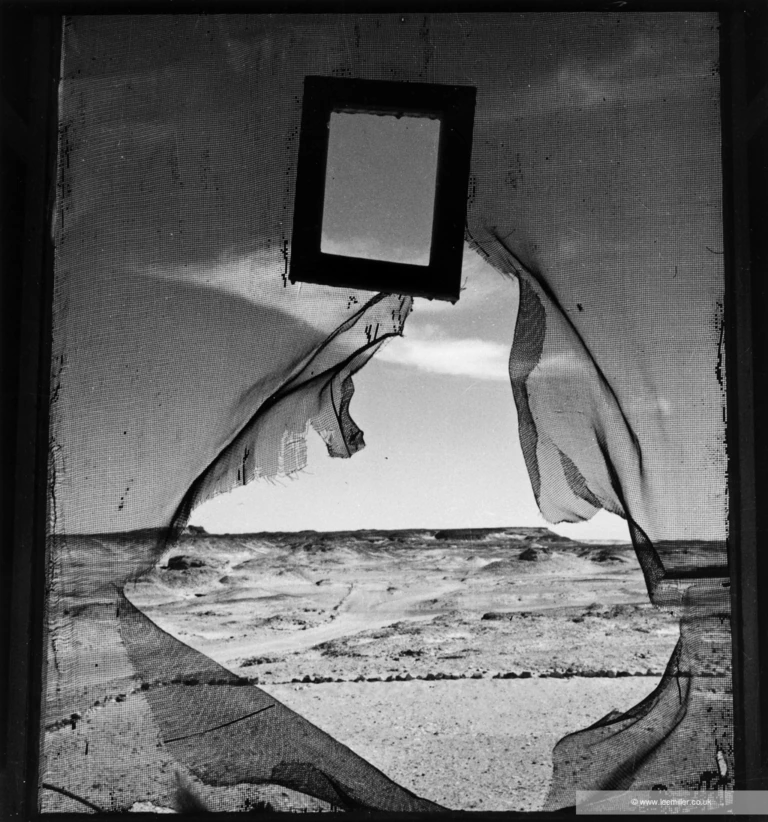
The quality of her work is very high and what we tried to do is select images that show her at her most creative, whatever the genre that she was working in, whether that's fashion, landscape, documentary photography or portraits of fellow artists. And when you look at her most creative work together, what you see is a very powerful artistic vision that unifies all of those different bodies of work.
What will visitors learn from the exhibition?
I guess it depends what kind of knowledge of her they're coming with. I hope that a lot of people may know almost nothing about her when they come, because they're in for an incredible treat. This is a great artist with a lot to say. Her work is humane, accessible and playful. It's also deceptively simple, but layered with meaning.
Advertisement
And she documented pretty fascinating times and places, so we see the 20th century through her eyes on this sort of wild ride. There's also a lot of different entry points to the work, whether you come with an interest in social history, military history, fashion, surrealism, journalism or film.
Can you tell us about the Lee Miller archive?
It's enormous – there's something like 60,000 prints and negatives in the archive. But we've also brought together works from other collections because, even with the size of the archive, it isn't comprehensive. I don't think Lee Miller was a natural archivist, and wasn’t someone who had meticulous filing systems. She moved around so much that I think some of her negatives and prints have just got lost over the years.
So we've borrowed from collections in the US and Europe and it's been lovely to reunite things again. Lee's son and granddaughter are seeing some works for the first time, which is really joyous.
Away from the photographs, what other material in the archive was useful in creating the exhibition?
We've taken a fairly restrained approach, I guess because we're trying to look at her life through her work, rather than her work through her life. We're trying to tell the story of the artwork itself, so we didn't want to crowd it out but it felt really important to have some things.
Advertisement
We have two films and we have a number of magazines that illustrate how her works appeared in print, particularly when she was working for Vogue. And we've got her uniform because we wanted to herald that professional identity, that she was an accredited war correspondent and a member of the military.
And we included her camera because we wanted to remind people that this was very analogue. The way she made photographs was very different to how we make photographs today.
So we have included some material in display cases but we’ve done that very selectively because, above all, we want people to look at the photographs.
How does the accompanying publication support the exhibition?
There's a lot in the book that we couldn't possibly fit in the exhibition – all of those years of research had to go somewhere.
We've got wonderful contributing writers. Deborah Levy, the novelist and critic, has written something really beautiful and personal about her relationship to the work. Damarice Amao, a photography curator in Paris, has written something wonderful about Egypt and that period of Miller’s life in the context of colonialism and its legacies.
Saskia Flower, the assistant curator, and I, worked on a chronology that we managed to compress down from 35,000 words to a mere 11,000 words. Weirdly, there's never been a kind of fully scholarly referenced chronology of Miller’s life and work.
And we discovered so many interesting tidbits, such as unknown publications, exhibitions and media appearances. And so hopefully it will be a useful resource for the future.
It is surprisingly good fun to read, in my opinion, just because Miller is such an interesting, fascinating and lively character that it's like: “Oh my gosh, what's she doing now?”
Project data
Supporters Lee Miller Exhibition Supporters Circle, Tate International Council, Tate Patrons, Tate Photography Acquisitions Committee, Tate Americas Foundation and Tate Members
Museum partners Musée d’Art Moderne de Paris; Art Institute of Chicago
Exhibition design Gatti Routh Rhodes
Book design A Practice for Everyday Life