The Barbican Art Gallery has opened its first large-scale fashion exhibition in eight years, inspired by dirt and decay.
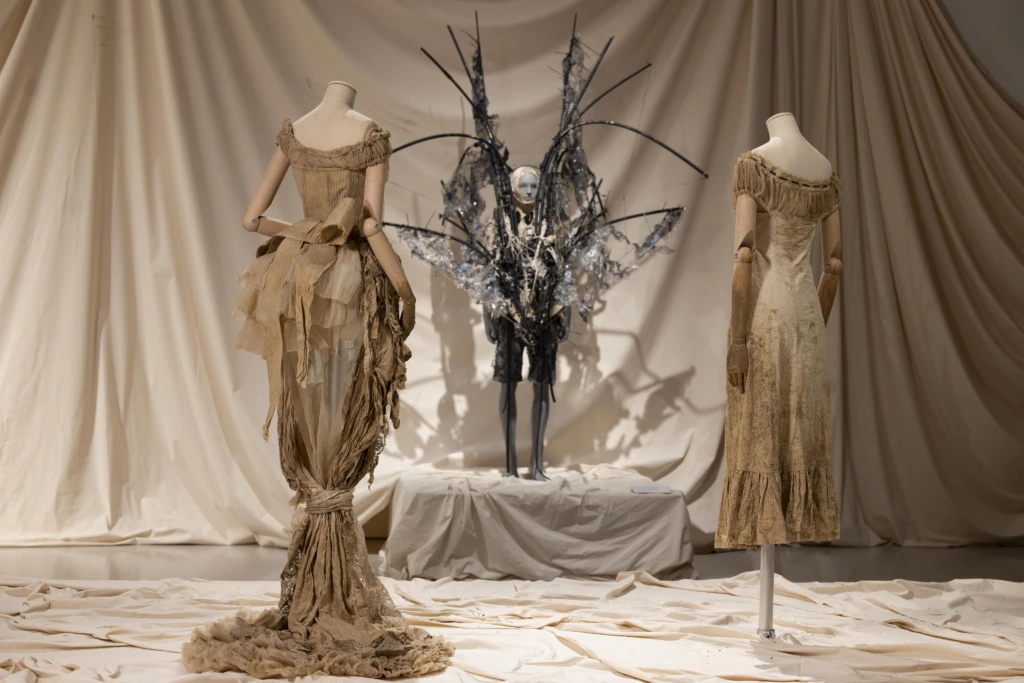
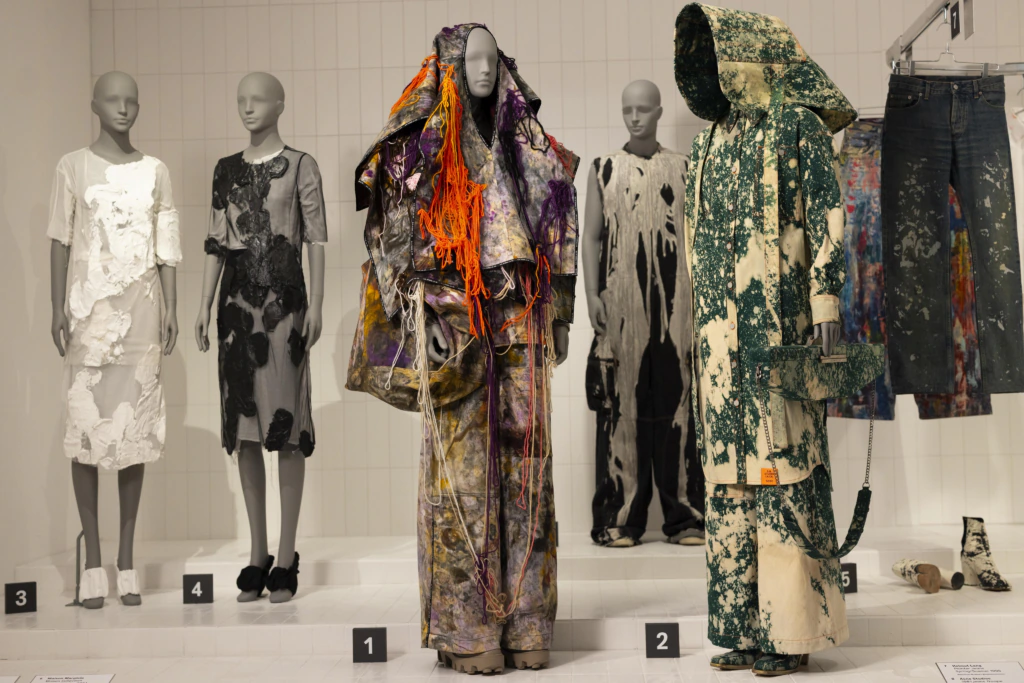
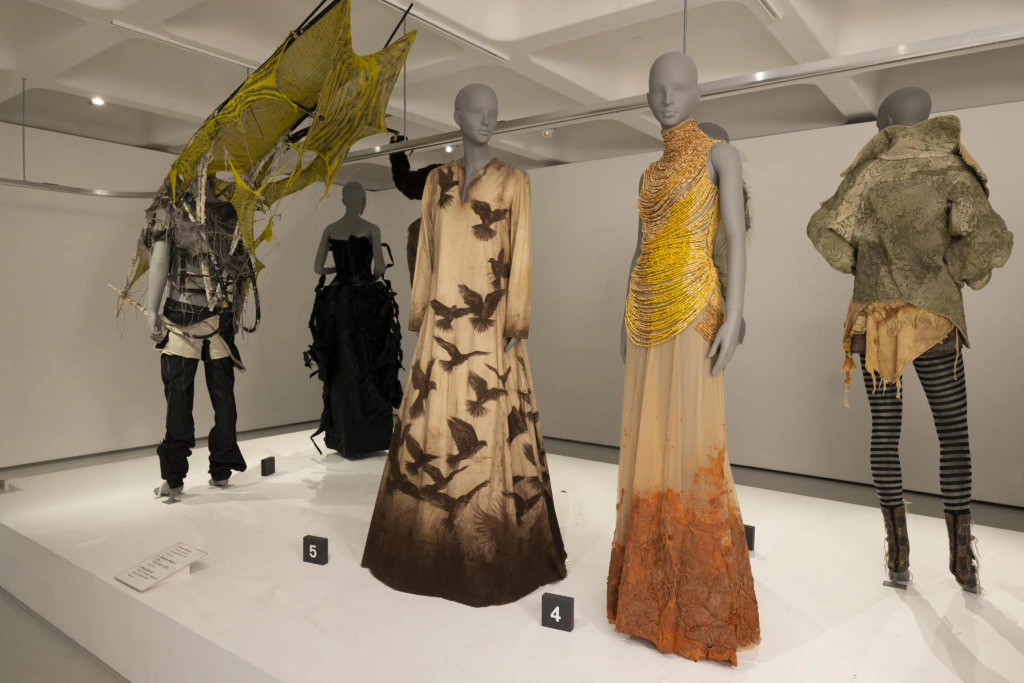
Dirty Looks: Desire and Decay in Fashion brings together pieces by well-known fashion houses and new commissions by emerging designers, exploring how contemporary clothing has harnessed rebellion through dirt.
Museums Journal spoke to Jon Astbury, the assistant curator, about the popularity of fashion exhibitions and what it's like to put one on.
What makes Dirty Looks a special exhibition?
Dirty Looks is really special because of the diversity and range of different pieces we’ve drawn together, or at least that’s what I hope people come away with.
I think fashion exhibitions have become very dominated by blockbuster, monographic shows and we really wanted to do a fashion-first show.
Advertisement
Barbican has done fashion before, but this show is really us re-committing to fashion taking a central part in our programme.
It was important to us that it was true to the sort of shows Barbican does, and to treat the subject matter as part of a broader conversation around artistic practice. So it’s not just thinking about clothing in terms of fashion runways, but more as a material or cultural practice.
Hopefully it provides an alternative way of thinking about clothes that isn’t about whether you’d wear it or how glamorous a dress is.
Dirt in some ways is the antithesis of everything fashion would normally be associated with.
Why has the Barbican moved towards doing fashion exhibitions again?
Fashion is difficult to ignore, particularly in London. London is such a city of fashion, although it doesn’t necessarily embody it in the same way that somewhere like Antwerp does.
Advertisement
So much that happens here is amazing, and we haven’t been so good at shouting about it or celebrating that in the last few years. It felt like the right time to bring fashion back into the conversation we were having about art, sculpture and performance.
We’ve always tried to inject a very multidisciplinary outlook on cultural production in our shows and fashion felt like a natural fit.
What is the difference between curating a fashion exhibition, as opposed to a fine art show?
Practically, it’s very different because fashion has its own whole set up.
Obviously there are lots of different ways to hang a painting, but displaying clothes has its own considerations.
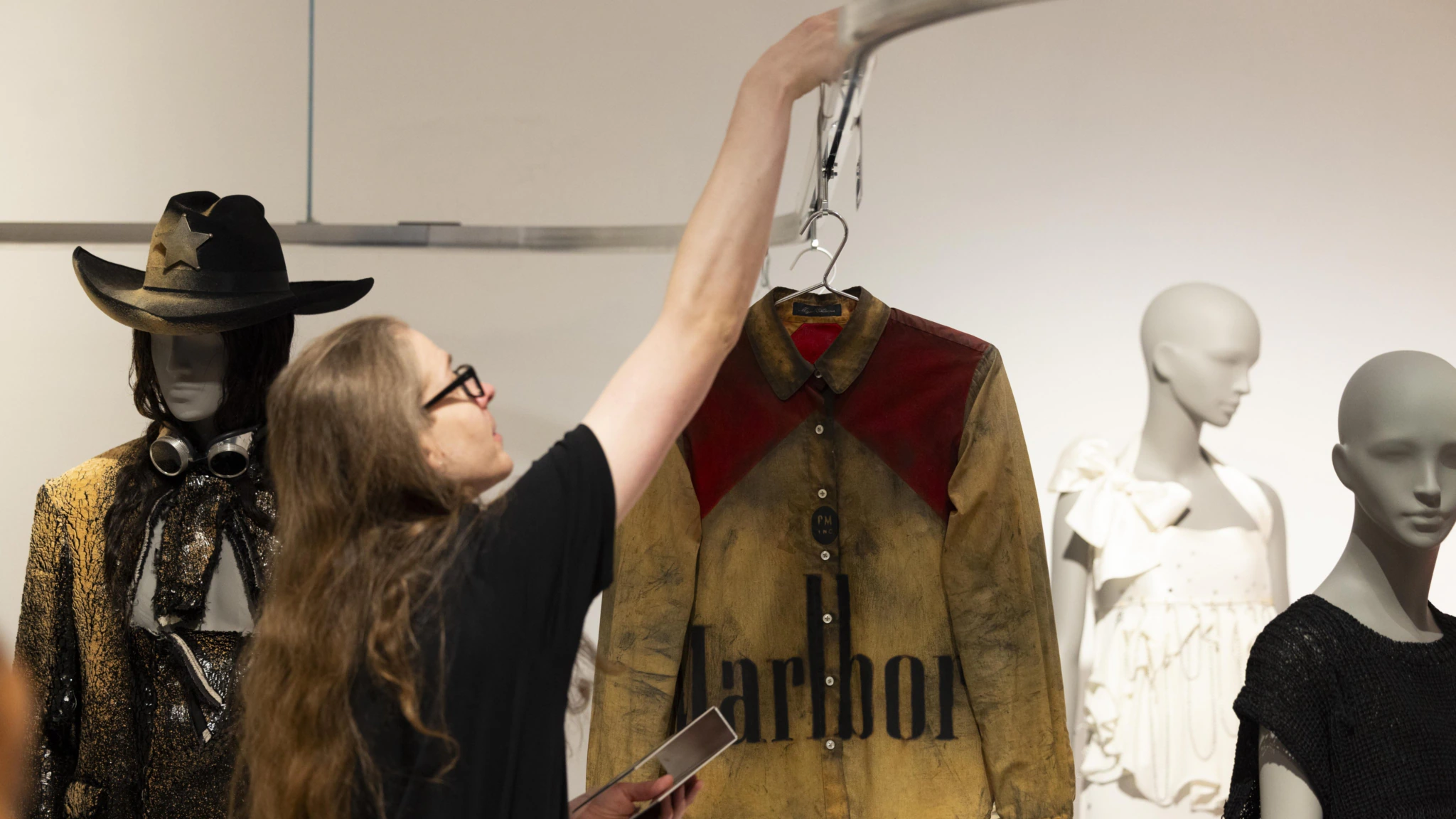
With fashion you inevitably arrive at the idea of putting it on a mannequin. Mannequins come with all of their own implications, so we have to discuss the process of dressing the mannequins, which happens before even bringing them into the space.
Advertisement
The living designers in this show often came in to help dress and style them.
You have to think about headwear, shoes, and whether you’ll have a complete look or just an element of it. Some mannequins have to have custom designs, such as a raised arm.
As much as you want mannequins to fade into the background because the focus is the clothes, you can’t ignore the fact that you have close to 100 grey bodies in the space.
We purposefully moved away from traditional posing that is more dramatic, to something that is more subdued. That felt more in tune with the vibe of the show as a whole.
Another thing we thought about was that lots of the pieces have been taken out of collections, which usually have narratives running through them.
You’re taking a part of that bigger story and putting it in your story, so it can be hard to select the best look from the collection.
What is different about a Barbican fashion exhibition?
We want to really say something about what fashion is and how we understand it as a practice.
There’s nothing wrong with looking at the work of a designer, as a monograph does, but we wanted to apply a more critical lens and get beneath some of the ways we think about these pieces.
Fashion has a history of being lower than other forms of art, and fashion exhibitions can have a reputation for being frivolous.
We wanted to reflect the movement of more artistic audiences to start really engaging with clothing, and thinking about it in the same way we think about painting. It’s deserving of just as much close engagement.
What sort of audience do you think the show will attract?
Hopefully it will attract a slightly younger audience than we typically get, because it feels quite connected to what is happening in the fashion world in London at the moment.
But we also wanted to bridge the gap with a more traditional fashion audience who maybe do just want to see some incredible gowns, which are also in the show.
We just wanted to show them in a slightly different way.
Do you think there's a trend for fashion exhibitions in London at the moment?
Yes definitely. I think it started with Savage Beauty [the retrospective of the designer Alexander McQueen that was shown at The Metropolitan Museum of Art and London’s Victoria & Albert Museum].
People have become more aware of the reach and impact fashion can have.
I think the reason the shows are popular is because it’s so accessible in a way.
Everyone has to think about what they’re going to wear, even if they don’t own a £20,000 couture dress, but not everybody is thinking about hanging a piece of abstract expressionism on their walls.
You’ve got people already thinking about the clothing, even if the theme of the exhibition is intentionally a bit provocative.
It’s perverse and ridiculous, and people might ask why fashion is doing this or if it’s run out of ideas. But we think that it is a bit ridiculous, but it’s something people have been doing since at least the 18th century; not necessarily in exactly the same way, but people were still engaging with a kind of attraction to dirtiness and decay.
Yes, we can laugh about these things, but what if we stopped, looked at them and thought about some of the ideas they throw up? That’s what we hope people will leave with.
Dirty Looks: Desire and Decay in Fashion is showing in Barbican Art Gallery from 25 September to 25 January 2026.