
Leicester’s Roman museum at Jewry Wall reopened on 26 July after an extensive eight-year transformation. Jo Jones, head of arts and museums at Leicester City Council, shares her thoughts on the city’s latest visitor attraction.
Can you tell us a little about the new museum and how it came about?
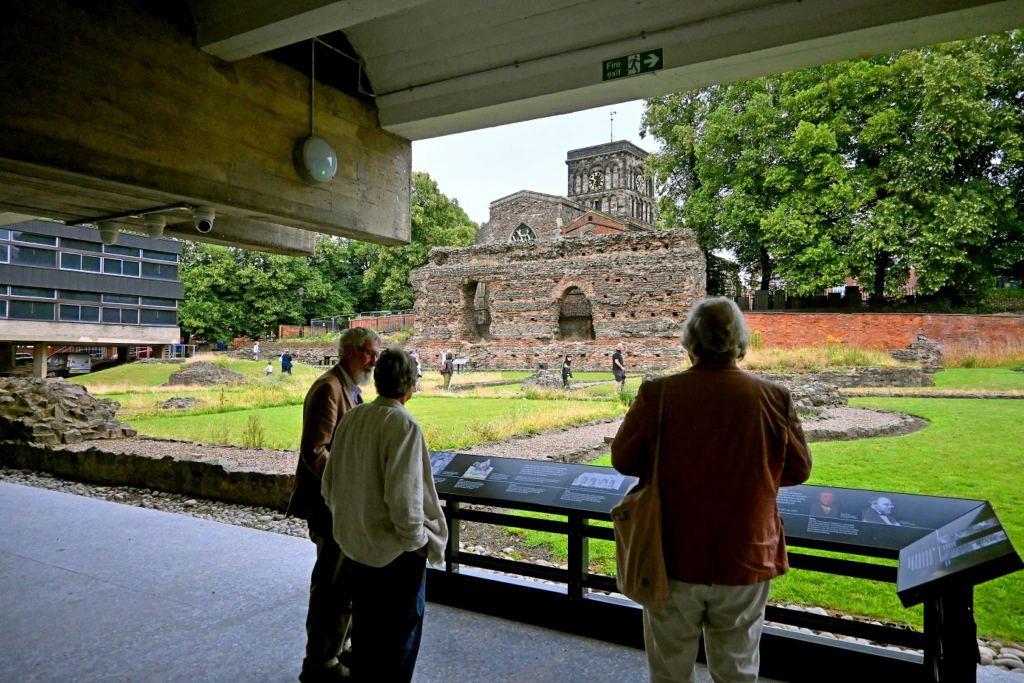
Jo Jones: The original Jewry Wall Museum opened in 1966 in the basement floor of the University of Leicester’s Vaughan College. Designed by Trevor Dannatt, the college was built in early brutalist style adjacent to the remains of Leicester’s 2nd-century Roman bath house – known for centuries as ‘the Jewry Wall’.
When the Grade II-listed college became surplus to the university’s requirements in 2016, the city council bought the building, recognising the opportunity to reimagine the museum and expand it across the site.
Plans were drawn up for a visitor attraction that would properly showcase the extraordinary Jewry Wall - one of the largest surviving Roman civilian structures in the UK and a nationally significant site – and bring Leicester’s Roman heritage to life.
The vision was shared by the archaeologists at the University of Leicester, the local community group Friends of Jewry Wall Museum and the city council’s arts and museums service.
Advertisement
In 2017, the museum closed to the public so that the transformation could get under way – but progress was hampered by the collapse of not one but two key contractors and a global pandemic!
The fully revamped space finally reopened to the public on 26 July. As they say, ‘Rome wasn’t built in a day’.
What can visitors expect to see there?
Visitors will experience an engaging and immersive journey through Roman Leicester – or Ratae Corieltauvorum as it was known.
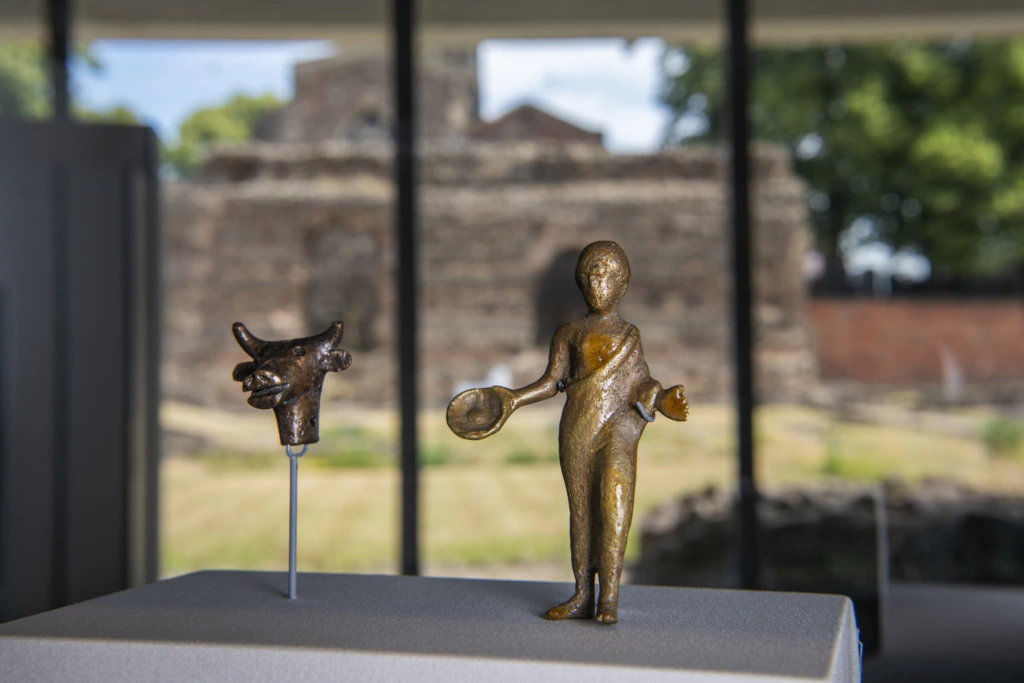
On display are original Roman objects and beautifully preserved artefacts, including some exceptional Roman mosaics and wall plasters, as well as everyday items that help paint a vivid picture of life in Roman Leicester. Most of the items on display were found right here in Leicester and Leicestershire.
Advertisement
The fascinating archaeology is complemented by multimedia digital reconstructions, interactive games and tactile exhibits, making the museum perfect for families, history buffs and curious minds alike.
There’s also a great cafe overlooking the Jewry Wall, a gift shop and plenty of welcoming spaces for learning and events.
What are some of the highlights of the heritage site and collections?
The centrepiece is undoubtedly the Jewry Wall itself and the remains of the Roman bath house, which – thanks to augmented reality – can now be seen as it was 2,000 years ago.
Some of the extraordinary items on display inside the museum include a bronze key handle in the shape of a Barbarian wrestling a lion, a clay roof tile bearing the footprints of both a child and a dog, and a curse tablet carved into a sheet of lead, asking the god Maglus to punish those responsible for stealing a cloak.
There’s also a 90-metre interactive wall that covers the work of the pioneering archaeologist Kathleen Kenyon, who led the excavations of the Jewry Wall site in the 1930s, as well the latest archaeological finds to be discovered in Leicester.
Can you tell us more about the site's immersive elements? What do you hope these will bring to the visitor experience?
The museum uses state-of-the-art technology to help bring Roman Leicester to life in new and accessible ways.
Advertisement
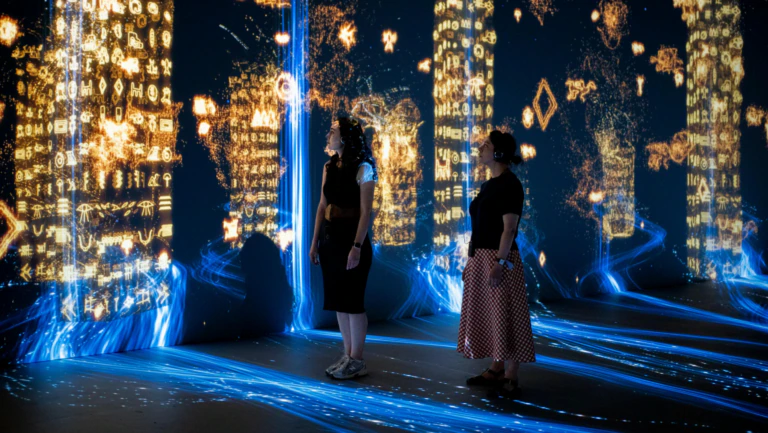
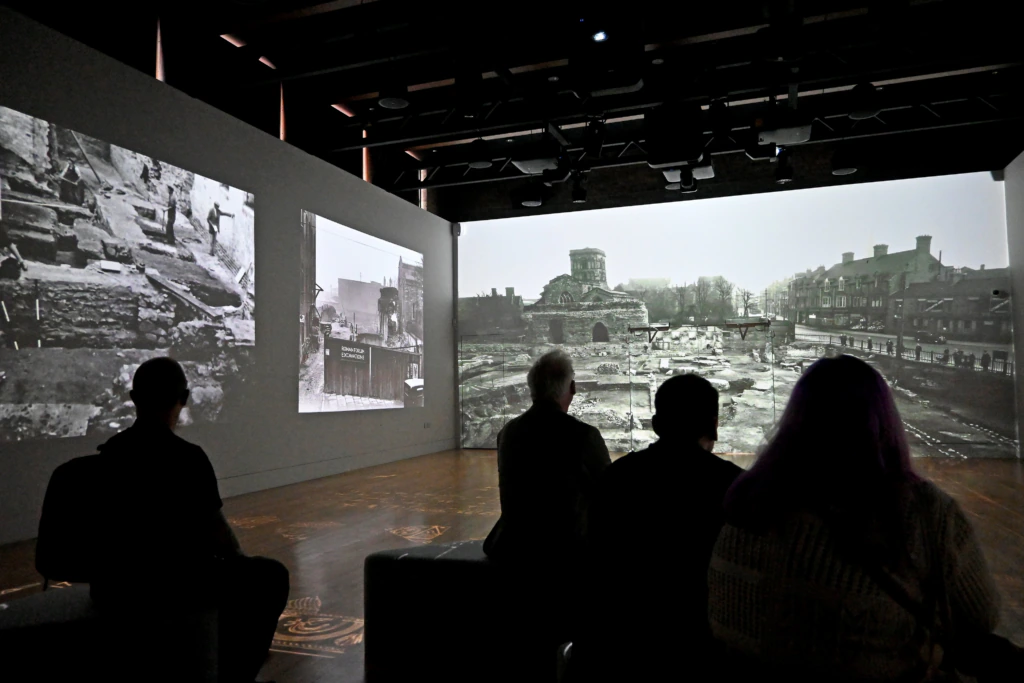
On arrival, visitors are taken on a tour of the excavated Roman sites in Leicester, thanks to a brilliant and immersive short film. Every character and object featured in the film also appears in the exhibition.
Our digital storytellers, Heritage Interactive, have created immersive projections, touchscreen interactives, educational games and animated reconstructions that help connect visitors of all ages to the stories behind the archaeology. A standout feature is the use of the characters created by artist Scott Tetlow. His digitally animated artwork is projected throughout the museum, giving faces and personalities to voices from the past.
These immersive elements enhance the visitor experience, helping to make the history more memorable and the information more accessible.
The new venue comes amid a challenging local authority funding environment – how does it fit into the council's wider vision for its museum service, and how will it ensure long-term sustainability?
Jewry Wall is an important part of Leicester Museum and Galleries’ new vision and strategy. Through capital investment, the museum has been transformed to increase access to world class collections and deliver an excellent and memorable visitor experience.
The new museum is an important part of Leicester’s Old Town offer, which also includes the King Richard III Visitor Centre, Leicester Guildhall and Leicester Cathedral.
Leicester City Council operates a mixed portfolio of free access and charged-for sites. At Jewry Wall, visitors purchase an annual Explorer Pass which gives them access to the museum for a whole year. The café, with its views across the incredible remains of Leicester’s Roman bath house, is open to everyone, without the need to buy a ticket.
Why is this museum such a milestone for Leicester and what will it mean for the city?
Jewry Wall Museum places the city firmly on the map as a centre for Roman archaeology and explains Leicester’s layered, multicultural history. It is a source of civic pride, an educational asset, and another must-see heritage attraction for those visiting the city – opening 11 years to the day after the multi-award-winning King Richard III Visitor Centre opened its doors.
More than that, it is a space where people of all ages and backgrounds can connect with their past, understand their place in the broader story of Britain, and feel part of a shared historical journey.
Find out more about Jewry Wall via the museum's website and discover Leicester’s 2,000-year history via the Story of Leicester website.