The Royal Armouries in Leeds recently announced that it had successfully purchased the freehold of the land on which the museum operates.
The deal, worth £11.7m, was made possible by a government-backed loan from the Department for Culture, Media and Sport (DCMS). It will be the first time the museum has owned the land outright, including the waterfront buildings adjacent to the museum.
The institution, which can trace its history back 700 years in the Tower of London and describes itself as the oldest museum in the world, opened at the Leeds site in 1996.
Museums Journal caught up with Royal Armouries head Nat Edwards to find out more about the museum's plans for the land and how it will be celebrating its 30th anniversary on the site.
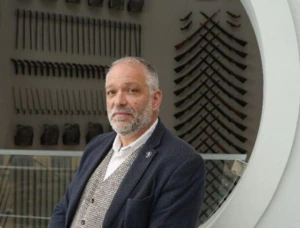
Nat Edwards
Director-general and master of the Royal Armouries
Can you tell us a little more about the land purchase?
Nat Edwards: The purchase has its roots in a Private Finance Initiative from the 1990s. When the Royal Armouries opened the Leeds site almost 30 years ago, it took on a 999-year lease for the main museum and wider site, plus a fairly complex system of commercial sub-lets, so when the lease went up for sale last year, it presented an opportunity for us to reduce risk, secure the land outright, and save on rental payments. We made a case to the DCMS for a loan to purchase the land and make things simpler.
Advertisement
What are your plans for the new site?
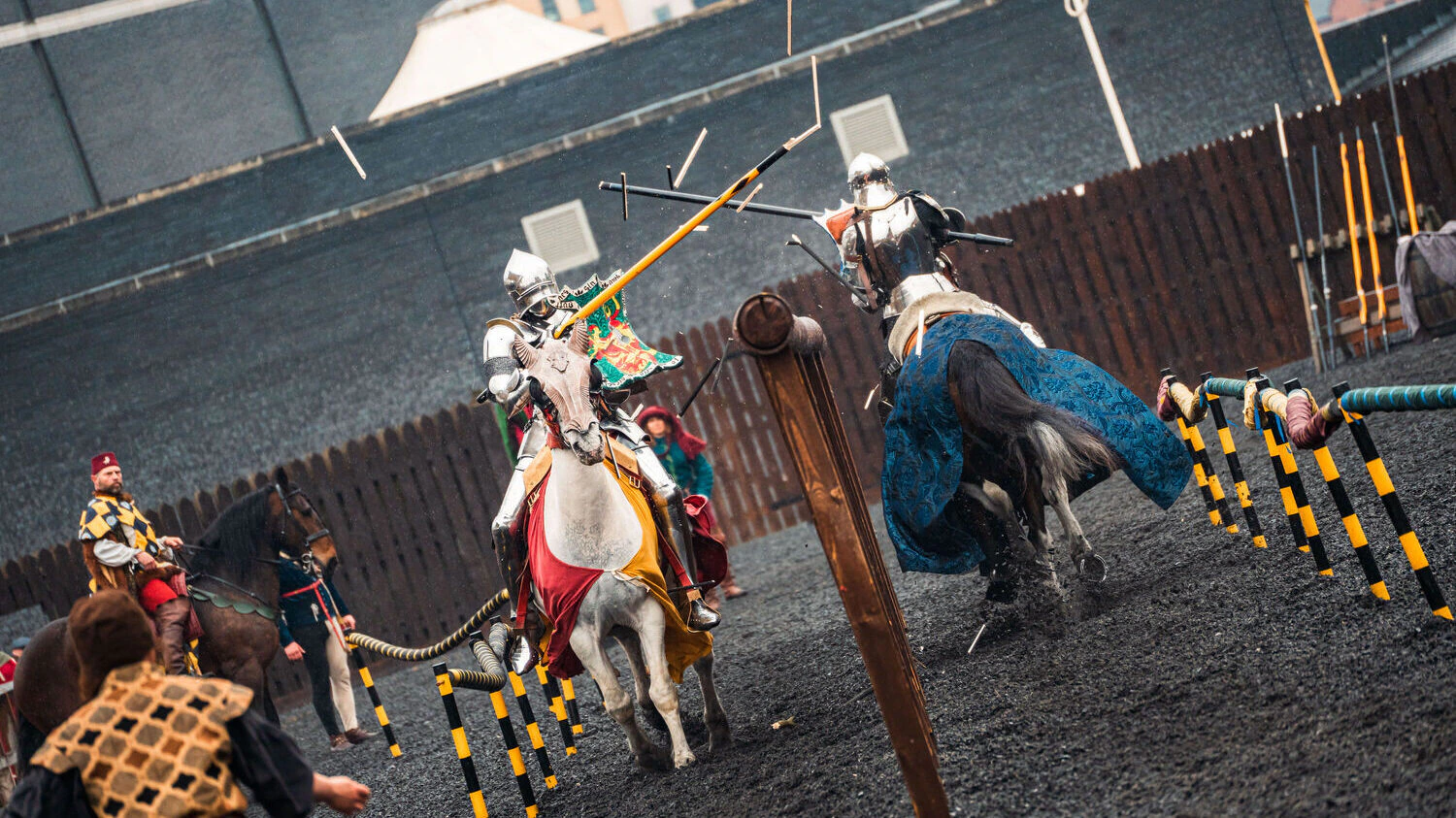
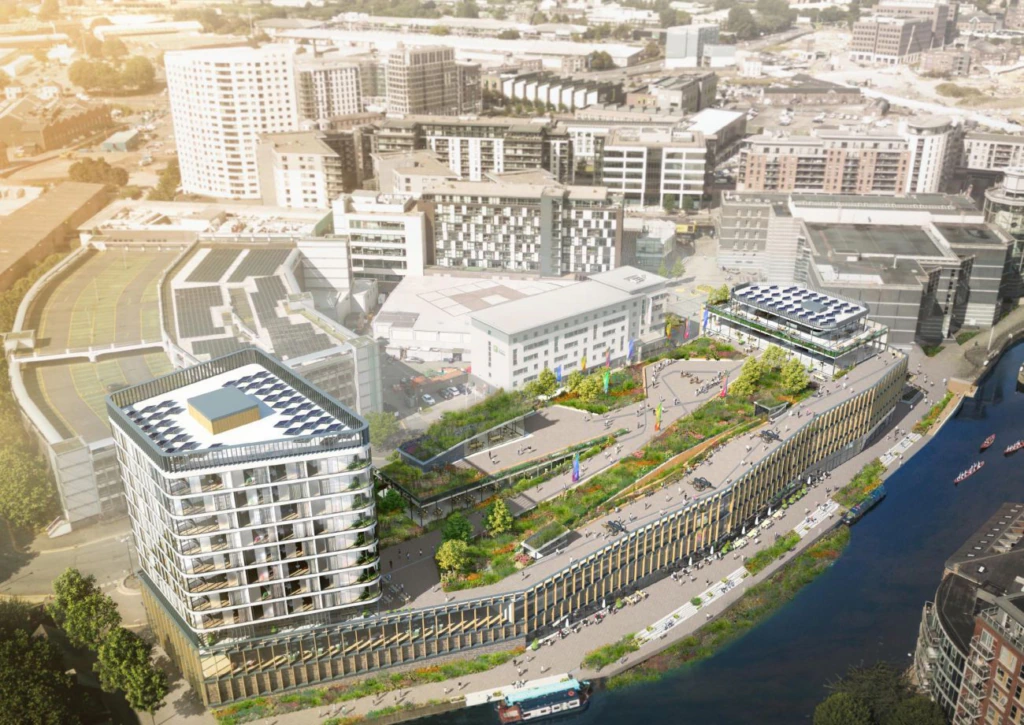
The site includes the museum as well as our 3,500msq Tiltyard Arena, which is used seasonally to host our jousting tournaments.
We are planning to transform this area into a new, immersive multi-use space that will enable us to run jousting tournaments whatever the weather and also supercharge our public programme to provide learning experiences unlike anything anywhere else.
Importantly, it would also allow us to host conferences and commercial exhibitions at a scale which will help deliver the revenue we need to sustain our museum, as well as driving economic regeneration in the wider Leeds area.
At the Royal Armouries, we are sharply conscious of our duty to preserve and present the material culture of conflict in such a way that people can use their understanding of it to imagine, and forge, a shared future; we need to be bold in our long-term thinking for the future of the museum and wider site to achieve this.
What will this mean for the long-term future of the museum?
What we have now is pretty special – where else can you see armoured knights jousting in the middle of an industrial city?
Advertisement
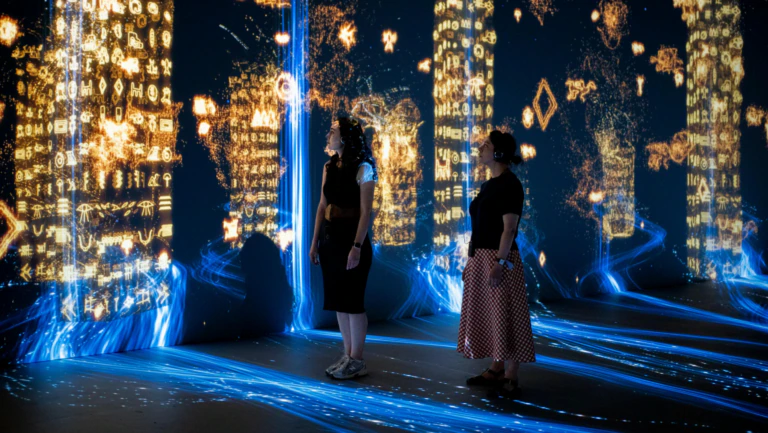
Imagine if, in the future, those same knights are charging at each other within a fully immersive digital landscape that recreates the Field of the Cloth of Gold – or as part of an immersive retelling of Gawain and the Green Knight, created in partnership with the National Poetry Centre and the British Library North.
Securing the land has delivered two important things. Firstly we can financially de-risk any development on the site – which opens up access to finance. Secondly, we have removed the restrictions placed on us by the lease agreement, which opens up what we can do.
Our imagination can grow to meet new opportunities and new needs. In a practical sense, it also allows us to grow with the success of major events; at the moment we host large-scale conferences for 16,000+ people at a time, bringing all manner of benefits to the region and contributing multiple millions into the local economy.
The region needs us to sustain events like that and to help continue to drive regeneration around Leeds Dock and the South Bank of Leeds.
How will the development support local communities and businesses?
We have looked hard at the potential benefits of our planned development and, even taking a fairly conservative estimate, the economic impact could be significant.
Advertisement
Because of the unique nature of the Armouries and the way in which we can fill a wider need in the city, we are projecting an annual economic impact of well over 400 new jobs and £20m Gross Value Added, from development of the Tiltyard alone.
The spillover benefits are even greater – with a Land Value Uplift of around £240m. That will translate into new houses, new business and new revenue incomes for the city in the form of business rates. The development will also have material benefits to local residents and visitors with the cultivation of green spaces around the museum.
Are you planning any other changes in the museum?
We need to refresh the main museum in Leeds. The building is structurally sound but its displays and mechanical and engineering systems are all getting close to the end of their useful life.
We started this year by converting our old Hunting Gallery, formerly across two levels, into a new double-height special exhibition gallery (our first international touring show, Gladiators: Heroes of the Colosseum, opened on 28 June).
Next, we need a complete redisplay of the remaining permanent galleries – which brings in all sorts of really exciting opportunities to tell the story of arms and armour in a collaborative, co-curated way.
We can look at conflict from different perspectives; we can look beyond the material and technical nature of weapons to the human stories associated with them and we can look at the really big picture of how the design and use of arms has shaped every aspect of our lives, our language and even our beliefs. It’s an enormous story about global humanity but it's also one we want to tell at a human scale locally.
Thanks to funding from the Esmée Fairbairn Collections Fund [now the Esmée Fairbairn Communities and Collections Fund], we are working on a programme to get a better understanding of, and methodology for, working with people who have lived experience of the impacts of violence with a view to expanding our own horizons and ability to create new, genuinely collaborative stories.
It's the Royal Armouries' 30th anniversary on the site next year. How will you be celebrating?
When the Royal Armouries came to Leeds in 1996, it was the first and only time that a UK national museum has moved its headquarters and flagship operation out of a capital city.
It was a bold, forward-looking statement – and the fact that it was made by the world’s oldest museum was remarkable.
We want the anniversary to mark our first 30 years in the city of Leeds to be a celebration of the impact that the museum has had, but also to be a way of saying thank-you to the city that has welcomed us.
It’s a chance for us to pay back the faith and goodwill that the people of Leeds and West Yorkshire have shown us – including the fact that, after Covid, our visitor numbers in Leeds recovered at a faster rate than any other national museum and to higher levels even than before the pandemic.
We don't want to be too inward-facing, instead we will be reaching out to the people of the city to launch a new initiative with young people that very much looks forward and seeks to put what we have learned over the past 30 years to the service of the future. Watch this space.