E-J Scott founded the Museum of Transology in 2014, aiming to preserve trans history and push back against a wider culture of queer stories being erased. The museum now represents the most significant collection of objects representing trans, non-binary and intersex people’s lives in the UK, with around 5,000 individual objects in its collection. Objects are progressively accessioned at the Bishopsgate Institute, London, with items sourced through community collecting in community spaces.
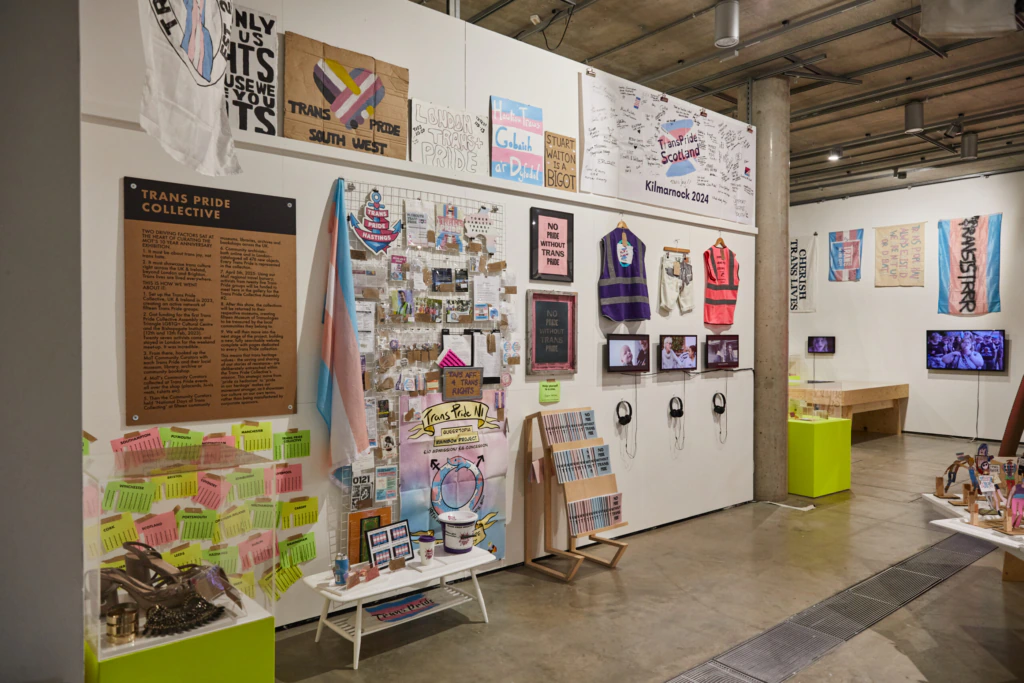
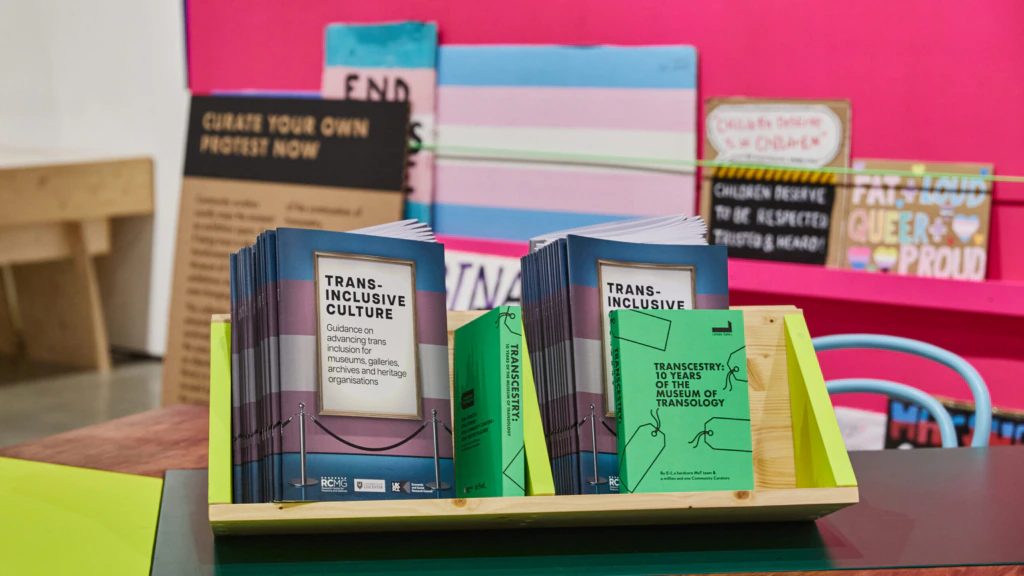
Transcestry: 10 Years of the Museum of Transology at Lethaby Gallery, Central Saint Martins, celebrates the museum’s first decade of community collecting and is the largest display of its kind to date, showcasing more than 1,000 personal artefacts.
Museums Journal attended the launch to talk with Scott about the landmark exhibition, the evolution of the museum and what’s next.
What was the development process for the exhibition and how did it work?
This is the 10-year anniversary of the Museum of Transology, and we received funding from the Art Fund and the National Lottery Heritage Fund to mark the occasion.
Advertisement
I was concerned that an exhibition about what was happening to trans people – instead of celebrating the vitality of the trans community – might end up being a very negative show that contributed to the disinformation, upset and hurt amid the ongoing culture wars.
There are 15 trans prides across the UK and Ireland and it was clear to me that there’s a bubbling cultural zeitgeist within the community that is celebratory, proud and centred in caring for one other. I wanted to connect that to the heritage values embedded in our museum’s collecting process – I wanted people to have complete autonomy over how their lives and gender experiences were represented in the museum.
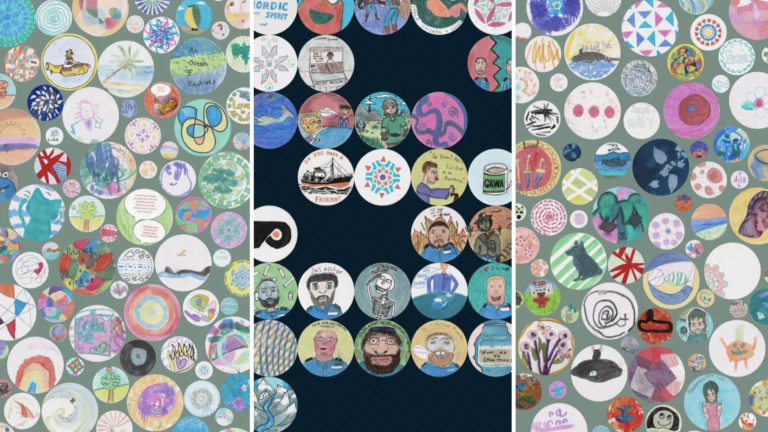
We used our funding to bring together all the trans pride festivals and started a network called the Trans Pride UK and Ireland Collective. We went to every festival, taking object entry forms and Polaroid cameras, and we did an initial round of collecting that was proactive and generated by us as community curators.
How did you work with the community and other partners?
Our community curators all received training in London about the Spectrum process and how to engage with the documentation required to collect and catalogue. For many of them, this was their very first professional museum gig. By giving them that training and sending them out to the trans prides themselves, we were upskilling the community with the entry-level skills they needed to move into the museum and heritage sector with some experience on their CV.
Advertisement
We also built partnerships between the trans prides, the museum or heritage organisations in their local areas, and our museum. We ran national days of trans collecting at locations across the UK and Ireland with the reps from the trans pride events.
At those collecting days, members of the community were invited to come along; in Edinburgh, for example, we had 70 plus people lined up out of the door of the library for hours and hours, all waiting to donate their objects to the collection.
In reaching out right across the British Isles, we managed to de-urbanise the collection. If we hadn’t, we’d have ended up with a collection that in, say, 50 years’ time, would look like all the trans people in the UK lived in London.
In total, we ended up collecting 467 new objects, all documented by the community curator responsible for their area. Now they’re all on show in the exhibition. It isn’t complicated, but it’s been a long process. All the way through we’ve made it happen by skill sharing, training, and community activism, and collecting in and by the community, for the community, from the community.
How has the museum evolved in the 10 years of its history?
The way we’ve operated has always spoken to the times and we’ve done mass collecting in different ways. For our first five years, we always let people come to us with their objects. In June 2020 we did rapid response collecting for the first time at the Black Trans Lives Matter March.
Advertisement
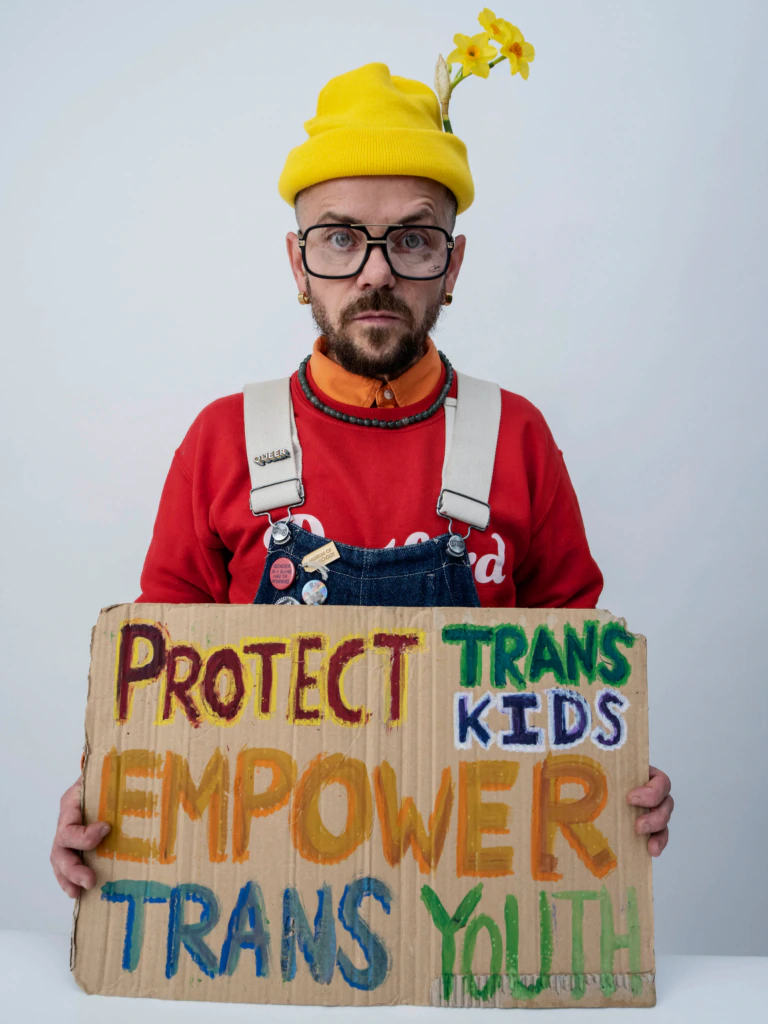
It felt too precarious to leave it up to chance that someone in the future might come to us with a placard, so we went down to the march with brown cardboard signs that we’d written on with Sharpie, saying “Give us your protest signs, please!”.
The exhibition starts with those signs up on the wall by the entrance. We saved 95 signs that day, but we’ve now got 2,000, and they speak to the most precious and pressing concerns of the community. We've got signs that have different politicians’ names on them, ones which address conversion therapy, and signs about legalising non-binary identities and reforming the Gender Recognition Act. And they’re all in the voice of the community, responding to political oppression in their own words.
What’s the role and impact of the museum as part of the queer community?
The Museum of Transology as a project is adored by the community. Hundreds and hundreds of people have been involved with putting on this show, dedicating lots of time and energy to make it happen. When we have archiving lates at the Bishopsgate Institute, 50 people might turn up to offer their time on a rainy Wednesday night in the middle of winter.
We see lots of young people with disabilities getting involved, and I think that that's because it offers a unique, sober space within the queer cultural landscape that provides a sense of belonging as a heritage engagement project. It's also skill-building, so people feel like they're getting back as much as they're giving.
When you're a community that experiences so much information being spread about you, having the opportunity to protect your voice and save your story is precious. It provides you with the chance to be heard, to be understood, and to hope that the future will be brighter.
The craze for community archiving and collecting has spread like wildfire across the queer community – everyone's doing it now. And I’d like to think that our museum played a role in empowering members of our communities to save their own collections, to feel like they could be the curators of their own stories, and that they could archive their own histories.
What’s next for the museum?
I'd like to train the community in preventative conservation skills so we can better look after our precious artefacts at home. A lot of the materials we have are badges, flyers and everyday objects that are made extraordinary because of their stories.
But a lot of these objects won't make it to us until someone passes away, or until people are ready to hand them on. How can we empower people to look after their objects before they make it into the museum? And if we can build on those skills, we'll have a real set of museum workers within the community, in our own homes, clubs, cafes and spaces.
From here, we need to think about whether we look towards getting our own space, but the next step is to use our funding to digitise the collection. We've got a collections management database which we're embedding into our website, and we're going to make the collection fully searchable by keyword.
Those keywords have been written by the community so that we don't institutionalise the collection – when we put the collection into the institution, we keep these stories in our own language and our own words.
We’re also thinking about how to build internationally. We’re talking with indigenous communities in Australia about making the first indigenous, international Museum of Transology collection.
People live their lives through their own gender lenses in different ways everywhere. It’d be interesting for us to be able to capture some of those voices and think about the breadth and depth of our understanding of gender as it’s experienced across the globe.
Finally, what’s your favourite piece in the collection?
Charlie Craggs’ stockings. They’re quirky, representing gender euphoria, and they show how much fun there is to be had in gender liberation.
Transcestry: 10 Years of the Museum of Transology is on display at Lethaby Gallery, London, until 11 May. The gallery will host a dedicated Accessibility Day with two tours for blind and visually impaired visitors on 12 April