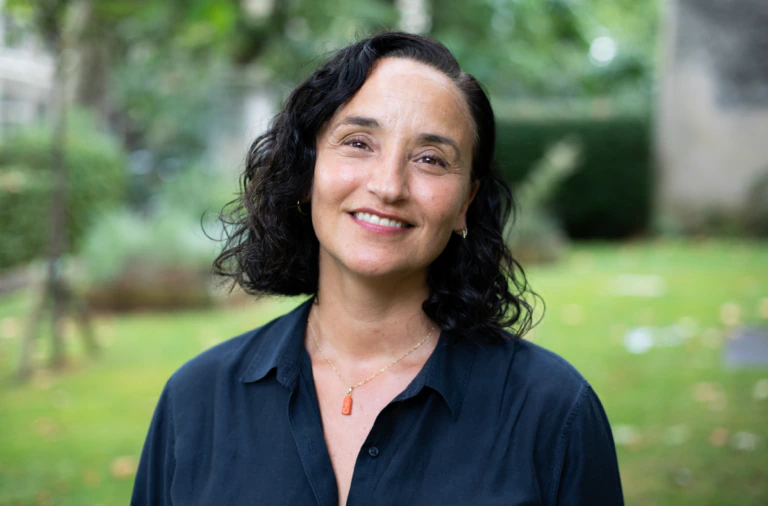
After a 38-year career in finance, Karen Pilcher is now the curator at Tom Brown’s School Museum in Uffington, Oxfordshire, which is housed in a 400-year-old former schoolroom.
What’s the history of the museum?
It is in a tiny building founded by a wealthy local merchant in 1617 for “12 worthy boys” because girls didn’t go to school then. It became a museum in the 1980s to celebrate the history of the area. The author Thomas Hughes, who was born in the village, wrote Tom Brown’s School Days to introduce his son to public-school traditions and set the opening chapter in this building.
Who visits and why?
Some arrive because of the novel, while others visit to explore connections with the writer John Betjeman, who lived here for years. Some simply stumble across it while climbing the hill to see the chalk White Horse.
Do you have a historical background?
No, I was a banker my entire working life. I wanted to join the Wrens (Women of the Royal Naval Services) but they told me to work in admin for a year before applying, so I worked in a NatWest bank and never thought about a life at sea again. I did all the traditional stuff – the counter, foreign currency and lending.
Did you see the financial crisis from the inside?
Colleagues working on counters in 2008 found life difficult because customers were rude and sometimes violent towards them when everything went wrong. It was a shock when RBS took over NatWest as we went from being a company that was risk-savvy to one that paid over the odds for something we didn’t need (the takeover of ABN Amro bank). My husband worked for the bank too and we lost a lot of money tied up in shares.
How did you become the museum’s curator?
After a few months in a banking post in 2015, I had to make everyone – including myself – redundant. The curator here suggested I take over when she moved away. The museum’s Accreditation was up for renewal and going through that process made me aware of what was needed to run a small museum. I’m OK if someone comes in researching family history, but not so much if they bring in Roman pottery.
What’s the history of the museum?
It is in a tiny building founded by a wealthy local merchant in 1617 for “12 worthy boys” because girls didn’t go to school then. It became a museum in the 1980s to celebrate the history of the area. The author Thomas Hughes, who was born in the village, wrote Tom Brown’s School Days to introduce his son to public-school traditions and set the opening chapter in this building.
Who visits and why?
Some arrive because of the novel, while others visit to explore connections with the writer John Betjeman, who lived here for years. Some simply stumble across it while climbing the hill to see the chalk White Horse.
Do you have a historical background?
No, I was a banker my entire working life. I wanted to join the Wrens (Women of the Royal Naval Services) but they told me to work in admin for a year before applying, so I worked in a NatWest bank and never thought about a life at sea again. I did all the traditional stuff – the counter, foreign currency and lending.
Did you see the financial crisis from the inside?
Colleagues working on counters in 2008 found life difficult because customers were rude and sometimes violent towards them when everything went wrong. It was a shock when RBS took over NatWest as we went from being a company that was risk-savvy to one that paid over the odds for something we didn’t need (the takeover of ABN Amro bank). My husband worked for the bank too and we lost a lot of money tied up in shares.
How did you become the museum’s curator?
After a few months in a banking post in 2015, I had to make everyone – including myself – redundant. The curator here suggested I take over when she moved away. The museum’s Accreditation was up for renewal and going through that process made me aware of what was needed to run a small museum. I’m OK if someone comes in researching family history, but not so much if they bring in Roman pottery.