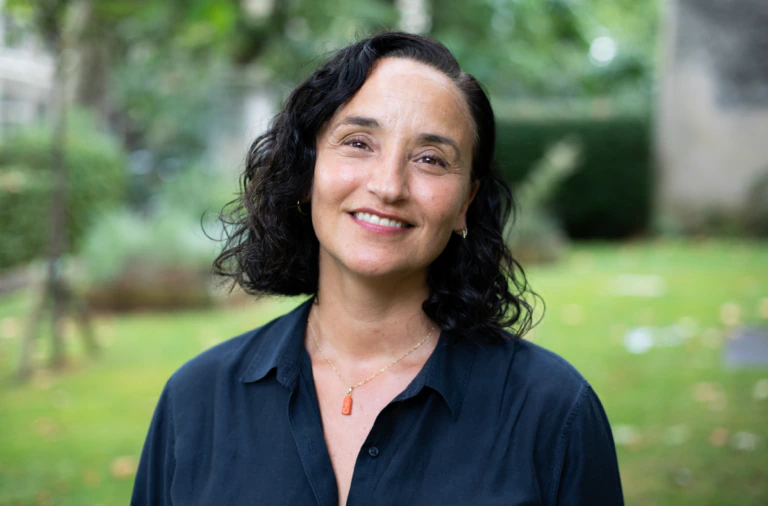
Julianne Simpson is the rare book and map collections manager in the special collections department at the John Rylands Library, University of Manchester. She is the lead curator of an exhibition, which runs until 4 March 2018, commemorating the 500th anniversary of the start of the Protestant Reformation.
What’s in the exhibition?
The significance of the Reformation for us is tied up with the history of the library and the inspiration of its founder, Enriqueta Rylands. Many of the significant items, including our copy of Martin Luther’s 95 Theses and a handwritten letter from him, were bought by her at an early stage of the library’s establishment.
Why aren’t other institutions marking the anniversary?
It has been low-key. They have been making a fuss about it in Germany but it’s hard to pin down notable dates because of the gradual development of the Church of England. St Paul’s Cathedral has some events this winter and its copy of Tyndale’s translation of the New Testament will be on display for the first time, but the British Library is doing 20 years of Harry Potter.
Was the contemporaneous development of printing akin to today’s social media boom?
There’s a misapprehension that the Catholic church felt threatened by its potential when it was, in fact, an early adopter. It took time for people to see the scope for circulating new ideas. Printers stuck to classical texts and Bibles for a long time, but Luther was good at publishing pamphlets that could be circulated quickly.
Was there “fake news”?
When Luther published a translation of the New Testament, he included illustrations by Lucas Cranach, the German painter who depicted the Whore of Babylon from the Book of Revelation wearing a papal tiara. It sold out quickly but there was a backlash and the tiara was removed from subsequent editions because I think the printers were worried about limiting their potential market.
Where did your interest in old books start?
I grew up in the south-west of Australia with access to school and church lending libraries. When I was studying medieval history at university in Perth, I volunteered in a Benedictine monastery, which had rare books brought over by 19th-century Spanish monks. I spent some time cataloguing ancient texts and came to the UK because there’s more here.
Has anything more contemporary caught your eye?
I took the Shardlake historical detective novels by CJ Sansom on holiday in the summer. The Reformation again, but fictional. It’s a hard habit to break.
What’s in the exhibition?
The significance of the Reformation for us is tied up with the history of the library and the inspiration of its founder, Enriqueta Rylands. Many of the significant items, including our copy of Martin Luther’s 95 Theses and a handwritten letter from him, were bought by her at an early stage of the library’s establishment.
Why aren’t other institutions marking the anniversary?
It has been low-key. They have been making a fuss about it in Germany but it’s hard to pin down notable dates because of the gradual development of the Church of England. St Paul’s Cathedral has some events this winter and its copy of Tyndale’s translation of the New Testament will be on display for the first time, but the British Library is doing 20 years of Harry Potter.
Was the contemporaneous development of printing akin to today’s social media boom?
There’s a misapprehension that the Catholic church felt threatened by its potential when it was, in fact, an early adopter. It took time for people to see the scope for circulating new ideas. Printers stuck to classical texts and Bibles for a long time, but Luther was good at publishing pamphlets that could be circulated quickly.
Was there “fake news”?
When Luther published a translation of the New Testament, he included illustrations by Lucas Cranach, the German painter who depicted the Whore of Babylon from the Book of Revelation wearing a papal tiara. It sold out quickly but there was a backlash and the tiara was removed from subsequent editions because I think the printers were worried about limiting their potential market.
Where did your interest in old books start?
I grew up in the south-west of Australia with access to school and church lending libraries. When I was studying medieval history at university in Perth, I volunteered in a Benedictine monastery, which had rare books brought over by 19th-century Spanish monks. I spent some time cataloguing ancient texts and came to the UK because there’s more here.
Has anything more contemporary caught your eye?
I took the Shardlake historical detective novels by CJ Sansom on holiday in the summer. The Reformation again, but fictional. It’s a hard habit to break.