A year after the Lion Salt Works Museum in Cheshire reopened following a £10m restoration it is now firmly embedded into its community.
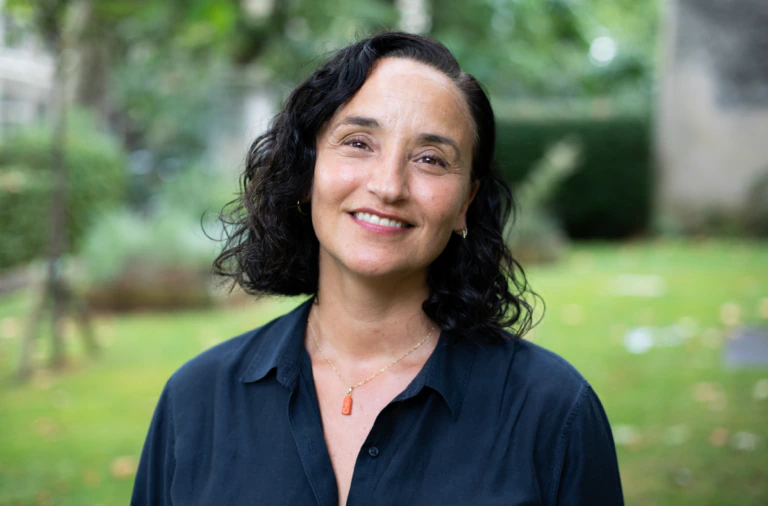
Museum and arts manager Katherine West talks about how the institution, which tells the story of salt and its impact on people, landscape and industry, dealt with the challenge of reengaging local audiences after a four-year closure.
Why was it so important that the site underwent such an extensive restoration?
Until 2009, the Lion Salt Works Museum was a small museum kept alive by the drive and enthusiasm of a dedicated team of trustees and one key officer. The reason for their tenacity was that the buildings hid one of the most important heritage sites in the UK – the Lion Salt Works is one of the last three historic open-pan salt-producing sites in the world.
It is not an understatement to say that salt defines the people, landscape and industry of Cheshire, which is one of few areas in the UK with large salt deposits. Since Roman times, salt had provided wealth and employment to the area, as well as shaped the landscape. For instance, the Trent and Mersey Canal was built to transport salt to Liverpool and Cheshire’s thriving chemical industry was initially founded here because salt was a catalyst for many chemical processes.
Why did the restoration take so long?
An archaeologist was required on site throughout the four-year restoration period because it was in such a poor state and is also Grade II-listed and has ancient Scheduled Monument status. This also meant that builders often had to relearn old building techniques to make sure the restoration was as faithful as possible to the original buildings.
How challenging has it been to re-engage audiences after a four-year absence?
Throughout the long building work, the majority of local people welcomed the restoration. This is why, even before we opened the museum to the public, it was very important to us that the first people over the threshold were from the local area. Hundreds of people visited during the preview week and most were astonished by the size and the quality of the restoration.
How have you reignited interest in the museum locally?
The Lion Salt Works’ bedrock audience will always be its local community as the museum reflects their history and life experience. We see the museum as the starting point of a continuous dialogue with visitors. We want our visitors to re-interpret the site, across all age ranges. For instance, Cheshire Young Carers and Cheshire Dance created a dance performance reflecting the museum’s history.
We have also run arts projects with older people in conjunction with Age UK. Our butterfly garden is at the forefront of a nationwide pollination programme, organised by a local butterfly conservation group.
Activities for school groups are an important part of what the museum offers the community. The thriving schools programme includes working with Saltscape, a group that aims to raise awareness of the unique salt landscape nearby, which, in turn, encourages the children to interpret the industrial history of the site through their surroundings.
Trails encourage teenagers to explore the site, while our heritage-themed play area aims to get even the youngest visitor interested in history. Our large, historic conference area is used not just for meetings and conferences but also to host popular plays from the Edinburgh Festival.
What role have volunteers and trustees played throughout the project?
Both have provided invaluable support. More than 50 volunteers help the museum by taking guided tours and conducting research. The trustees actively support the museum by applying for grants, staging regular salt-boiling sessions at the museum and continuing to have a vision for future development.
How is the museum working to ensure it appeals to a diverse audience?
Through a series of partnerships and activities we aim to engage people’s interest in industrial heritage, history, waterways and geology. For instance, we have hosted a number of weekend events, including a Dickensian Christmas event that involved a local choir and an event featuring historic steam engines and boats. We also arrange for the UK’s top salt geologists to meet young people and host salt and science days.
What does the future hold?
Since re-opening, the museum has won six awards in 11 months, including the top national conservation awards from the Civic Trust and Museum and Heritage Awards.
Customer numbers are high and more importantly our customer feedback is good.Thanks to Heritage Lottery Funding, we have the capacity to plan and we are using this to establish a viable blueprint for the future.
Although we have a great team, which is bursting with ideas, we know that we’ve got a lot to learn and have finite resources and energy.
I see the key to our future success growing from the bonds and relationships we make with partners, supporters and volunteers. The future will be about establishing a balance without compromising quality – it should be an interesting journey.
Museum and arts manager Katherine West talks about how the institution, which tells the story of salt and its impact on people, landscape and industry, dealt with the challenge of reengaging local audiences after a four-year closure.
Why was it so important that the site underwent such an extensive restoration?
Until 2009, the Lion Salt Works Museum was a small museum kept alive by the drive and enthusiasm of a dedicated team of trustees and one key officer. The reason for their tenacity was that the buildings hid one of the most important heritage sites in the UK – the Lion Salt Works is one of the last three historic open-pan salt-producing sites in the world.
It is not an understatement to say that salt defines the people, landscape and industry of Cheshire, which is one of few areas in the UK with large salt deposits. Since Roman times, salt had provided wealth and employment to the area, as well as shaped the landscape. For instance, the Trent and Mersey Canal was built to transport salt to Liverpool and Cheshire’s thriving chemical industry was initially founded here because salt was a catalyst for many chemical processes.
Why did the restoration take so long?
An archaeologist was required on site throughout the four-year restoration period because it was in such a poor state and is also Grade II-listed and has ancient Scheduled Monument status. This also meant that builders often had to relearn old building techniques to make sure the restoration was as faithful as possible to the original buildings.
How challenging has it been to re-engage audiences after a four-year absence?
Throughout the long building work, the majority of local people welcomed the restoration. This is why, even before we opened the museum to the public, it was very important to us that the first people over the threshold were from the local area. Hundreds of people visited during the preview week and most were astonished by the size and the quality of the restoration.
How have you reignited interest in the museum locally?
The Lion Salt Works’ bedrock audience will always be its local community as the museum reflects their history and life experience. We see the museum as the starting point of a continuous dialogue with visitors. We want our visitors to re-interpret the site, across all age ranges. For instance, Cheshire Young Carers and Cheshire Dance created a dance performance reflecting the museum’s history.
We have also run arts projects with older people in conjunction with Age UK. Our butterfly garden is at the forefront of a nationwide pollination programme, organised by a local butterfly conservation group.
Activities for school groups are an important part of what the museum offers the community. The thriving schools programme includes working with Saltscape, a group that aims to raise awareness of the unique salt landscape nearby, which, in turn, encourages the children to interpret the industrial history of the site through their surroundings.
Trails encourage teenagers to explore the site, while our heritage-themed play area aims to get even the youngest visitor interested in history. Our large, historic conference area is used not just for meetings and conferences but also to host popular plays from the Edinburgh Festival.
What role have volunteers and trustees played throughout the project?
Both have provided invaluable support. More than 50 volunteers help the museum by taking guided tours and conducting research. The trustees actively support the museum by applying for grants, staging regular salt-boiling sessions at the museum and continuing to have a vision for future development.
How is the museum working to ensure it appeals to a diverse audience?
Through a series of partnerships and activities we aim to engage people’s interest in industrial heritage, history, waterways and geology. For instance, we have hosted a number of weekend events, including a Dickensian Christmas event that involved a local choir and an event featuring historic steam engines and boats. We also arrange for the UK’s top salt geologists to meet young people and host salt and science days.
What does the future hold?
Since re-opening, the museum has won six awards in 11 months, including the top national conservation awards from the Civic Trust and Museum and Heritage Awards.
Customer numbers are high and more importantly our customer feedback is good.Thanks to Heritage Lottery Funding, we have the capacity to plan and we are using this to establish a viable blueprint for the future.
Although we have a great team, which is bursting with ideas, we know that we’ve got a lot to learn and have finite resources and energy.
I see the key to our future success growing from the bonds and relationships we make with partners, supporters and volunteers. The future will be about establishing a balance without compromising quality – it should be an interesting journey.