Volunteering with the senior community for many years, losing a family member to dementia and having a passion for arts education have all led me to my current research on arts programmes for senior citizens, specifically those who live in or attend activities in care facilities.
There is extensive evidence that demonstrates the positive mental and physical effects that the arts have on older people. So I was shocked to find that there is no major emphasis on requiring the implementation of the arts in care centres.
One recurring problem I have encountered is the enormous pressure to measure and quantify well-being and quality of life in order to receive funding for arts programmes. Assessment methodologies are constantly developing though, and I have found the Baring Foundation’s multiple guides and reports a helpful, inspiring resource in navigating that development.
My research is focused on my home city of New York, which is, according to some commentators, currently experiencing an “ageing tsunami”; it is projected that by 2030 the 60-and-above population will grow by 47%, which is a staggering 1.84 million people.
Senior care resources will most likely be spread thin, leading to the isolation and neglect of many people. Beneficial arts programming needs to be put in place in order to maintain the well-being of older people now as well as preparing for the rising tide of more.
My research is intended to provide recommendations – for individuals and institutions – for breaking down the barriers to the potential good that arts programming can do for the rapidly ageing community of NYC. Available and effectively run arts programmes in senior care facilities can enhance seniors’ quality of life and help preserve their independence.
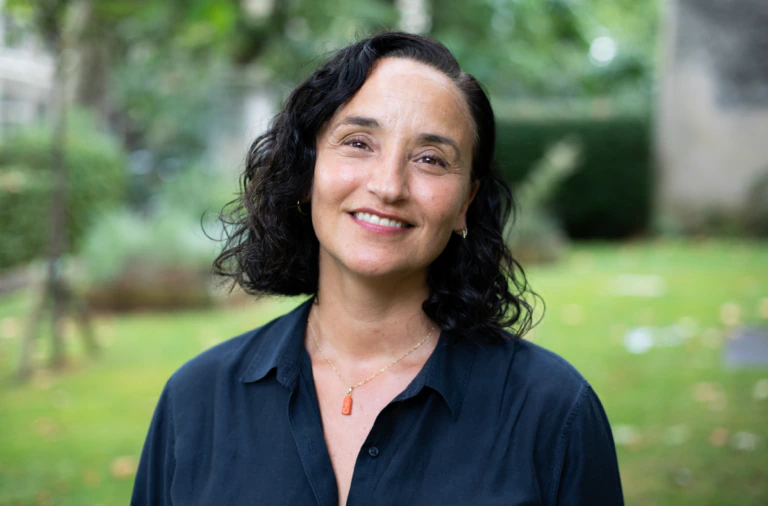
Polly Haas studies an MA in visual arts management and curating at Richmond, the American International University in London
There is extensive evidence that demonstrates the positive mental and physical effects that the arts have on older people. So I was shocked to find that there is no major emphasis on requiring the implementation of the arts in care centres.
One recurring problem I have encountered is the enormous pressure to measure and quantify well-being and quality of life in order to receive funding for arts programmes. Assessment methodologies are constantly developing though, and I have found the Baring Foundation’s multiple guides and reports a helpful, inspiring resource in navigating that development.
My research is focused on my home city of New York, which is, according to some commentators, currently experiencing an “ageing tsunami”; it is projected that by 2030 the 60-and-above population will grow by 47%, which is a staggering 1.84 million people.
Senior care resources will most likely be spread thin, leading to the isolation and neglect of many people. Beneficial arts programming needs to be put in place in order to maintain the well-being of older people now as well as preparing for the rising tide of more.
My research is intended to provide recommendations – for individuals and institutions – for breaking down the barriers to the potential good that arts programming can do for the rapidly ageing community of NYC. Available and effectively run arts programmes in senior care facilities can enhance seniors’ quality of life and help preserve their independence.
Polly Haas studies an MA in visual arts management and curating at Richmond, the American International University in London