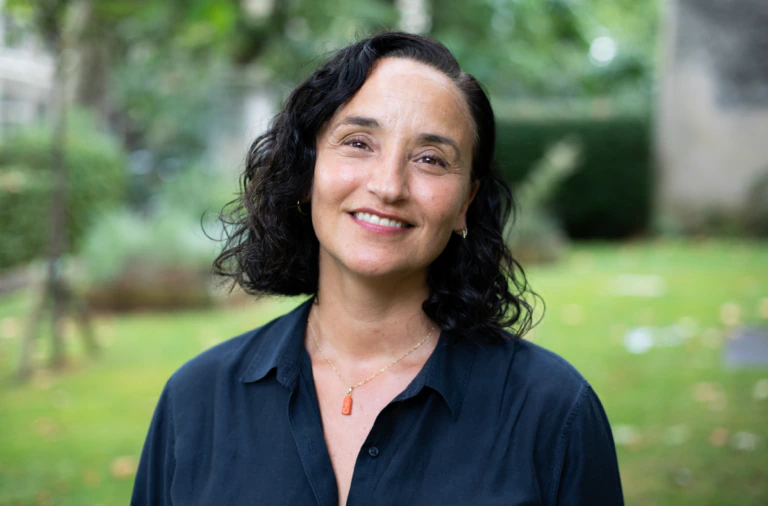
Clara Paillard is the president of the culture sector for the Public and Commercial Services (PCS) union. She is part of continuous strike action at the National Gallery, which started on 17 August.
PCS members at the gallery, who have walked out more than 50 times in the past year, are protesting against the privatisation of the gallery’s visitor-facing services, and the dismissal of lead union representative Candy Udwin.
The National Gallery has said that no members of staff will be made redundant in this process and all affected staff will be paid the London Living Wage.
Why is PCS opposed to the National Gallery’s plans?
The National Gallery’s privatisation is the largest ever seen in any museum or gallery. Other organisations have part-privatised some services and have kept some visitor services in-house.
It is important to remember that, actually the dispute started because the gallery refused to pay a proper London Living Wage. When we started to campaign for this, it announced the privatisation.
Privatisation is about allowing companies to make profit on the back of our museums. Privatisations are part of a vision for arts and culture, which is about selling off public services, seeking commercial incomes and sponsorships or the use of volunteers. It is a very political agenda, which PCS opposes.
We believe access to culture is a human right (Article 27 of the Universal Declaration of Human Rights) and that it should remain a free public service.
The dispute is also against union-busting. Some cultural institutions are engaging with trade unions and trying to minimise the impact of budget cuts on the workforce as well as on visitors.
Ultimately, I believe that the vast majority of museum workers at most grades are totally opposed to what the government is doing: basically destroying the great cultural institutions we have.
Following a number of short-term strikes, why have you decided to opt for continuous strike action now?
This has been a very long dispute that started a year ago. During that period, PCS has tried by every means to restore a constructive dialogue with the National Gallery in order to avoid the privatisation. This included proposing an alternative plan that would have met the need of the gallery in term of flexibility and covering for evening events.
Despite all those attempts, the gallery has appointed private security company Securitas for the contract. In addition, our dismissed union representative Udwin has lost her internal appeal, despite an interim employment judge ruling that she was likely to win her employment tribunal on unfair dismissal and discrimination for trade union activities.
Our last resort was an all-out strike at crush time. The strike is solid but the National Gallery will remain partly open as a private firm is already staffing the Sainsbury Wing.
The strikes have caused disruption to visitors – how important is public support for industrial action?
We are aware of the inconvenience caused to visitors and although we’d rather avoid it, we have been left with no choice. The strike isn’t only about workers’ terms and conditions; we are also concerned how privatisation will affect the service we deliver to visitors.
This campaign is a beacon to defend the arts and culture sector from being chipped away by increasing unreasonable cuts.
Generally the public is against the privatisation. We have raised more than £80,000 to support the action, our Facebook page has attracted more than 6,000 “likes” and 130,000-plus people have signed our petition.
Visitors and passers-by have been supportive to staff on the picket lines and many artists and celebrities have also supported our campaign, including Grayson Perry, Mark Wallinger, Ken Loach and Bob and Roberta Smith.
What impact do you think outsourcing visitor services might have on museums?
We’ve seen in other museums that privatisation brings poverty pay, zero-hours contracts, long hours, and no access to sickness or maternity pay. It creates a two-tier workforce and bring back Victorian working conditions.
Some of our members struggle to buy food and pay their rent; many are in debt or doing several jobs to survive. People are increasingly stressed and unhappy at work with increasing workloads and long hours.
This impact on the service they give to visitors. Service levels are also often reduced, putting staff, visitors and collections at risk.
Finally, precarious workers means that the turn-over is higher. People are deskilled and the service to visitors declines.
Do you think the trade union movement in museums is getting stronger in the current climate?
Budget cuts and austerity means that museums workers have been increasingly under attack and have seen their standards of living declined since 2010.
An increasing number of PCS members live in poverty and cannot afford the necessity of life. Not only their pay has been frozen for years but their pension costs have increased as well of the cost of life in general.
People have had enough to be asked to pay for a crisis they didn’t cause. Rich people are getting richer while foodbanks, evictions and child poverty are on the rise.
The National Gallery campaign has inspired other workers across the museum sector and solidarity has been a key. Workers at National Museums Wales are currently on strike over the removal of their weekend allowances, a potential loss of £3,000 per year for many PCS members.
Workers at National Museums of Scotland have been taking strike action over the same issue and to end the two-tier workforce.
PCS members at the gallery, who have walked out more than 50 times in the past year, are protesting against the privatisation of the gallery’s visitor-facing services, and the dismissal of lead union representative Candy Udwin.
The National Gallery has said that no members of staff will be made redundant in this process and all affected staff will be paid the London Living Wage.
Why is PCS opposed to the National Gallery’s plans?
The National Gallery’s privatisation is the largest ever seen in any museum or gallery. Other organisations have part-privatised some services and have kept some visitor services in-house.
It is important to remember that, actually the dispute started because the gallery refused to pay a proper London Living Wage. When we started to campaign for this, it announced the privatisation.
Privatisation is about allowing companies to make profit on the back of our museums. Privatisations are part of a vision for arts and culture, which is about selling off public services, seeking commercial incomes and sponsorships or the use of volunteers. It is a very political agenda, which PCS opposes.
We believe access to culture is a human right (Article 27 of the Universal Declaration of Human Rights) and that it should remain a free public service.
The dispute is also against union-busting. Some cultural institutions are engaging with trade unions and trying to minimise the impact of budget cuts on the workforce as well as on visitors.
Ultimately, I believe that the vast majority of museum workers at most grades are totally opposed to what the government is doing: basically destroying the great cultural institutions we have.
Following a number of short-term strikes, why have you decided to opt for continuous strike action now?
This has been a very long dispute that started a year ago. During that period, PCS has tried by every means to restore a constructive dialogue with the National Gallery in order to avoid the privatisation. This included proposing an alternative plan that would have met the need of the gallery in term of flexibility and covering for evening events.
Despite all those attempts, the gallery has appointed private security company Securitas for the contract. In addition, our dismissed union representative Udwin has lost her internal appeal, despite an interim employment judge ruling that she was likely to win her employment tribunal on unfair dismissal and discrimination for trade union activities.
Our last resort was an all-out strike at crush time. The strike is solid but the National Gallery will remain partly open as a private firm is already staffing the Sainsbury Wing.
The strikes have caused disruption to visitors – how important is public support for industrial action?
We are aware of the inconvenience caused to visitors and although we’d rather avoid it, we have been left with no choice. The strike isn’t only about workers’ terms and conditions; we are also concerned how privatisation will affect the service we deliver to visitors.
This campaign is a beacon to defend the arts and culture sector from being chipped away by increasing unreasonable cuts.
Generally the public is against the privatisation. We have raised more than £80,000 to support the action, our Facebook page has attracted more than 6,000 “likes” and 130,000-plus people have signed our petition.
Visitors and passers-by have been supportive to staff on the picket lines and many artists and celebrities have also supported our campaign, including Grayson Perry, Mark Wallinger, Ken Loach and Bob and Roberta Smith.
What impact do you think outsourcing visitor services might have on museums?
We’ve seen in other museums that privatisation brings poverty pay, zero-hours contracts, long hours, and no access to sickness or maternity pay. It creates a two-tier workforce and bring back Victorian working conditions.
Some of our members struggle to buy food and pay their rent; many are in debt or doing several jobs to survive. People are increasingly stressed and unhappy at work with increasing workloads and long hours.
This impact on the service they give to visitors. Service levels are also often reduced, putting staff, visitors and collections at risk.
Finally, precarious workers means that the turn-over is higher. People are deskilled and the service to visitors declines.
Do you think the trade union movement in museums is getting stronger in the current climate?
Budget cuts and austerity means that museums workers have been increasingly under attack and have seen their standards of living declined since 2010.
An increasing number of PCS members live in poverty and cannot afford the necessity of life. Not only their pay has been frozen for years but their pension costs have increased as well of the cost of life in general.
People have had enough to be asked to pay for a crisis they didn’t cause. Rich people are getting richer while foodbanks, evictions and child poverty are on the rise.
The National Gallery campaign has inspired other workers across the museum sector and solidarity has been a key. Workers at National Museums Wales are currently on strike over the removal of their weekend allowances, a potential loss of £3,000 per year for many PCS members.
Workers at National Museums of Scotland have been taking strike action over the same issue and to end the two-tier workforce.