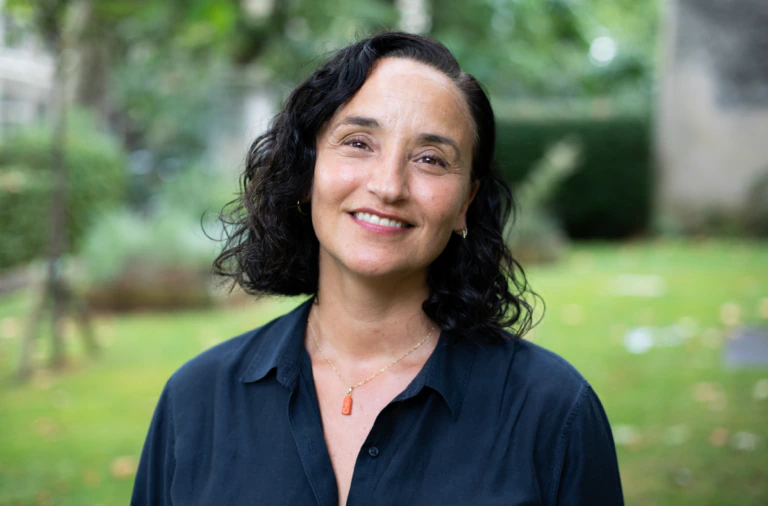
Duncan Dornan was recently appointed the head of museums and collections at Glasgow Life, taking over from Ellen McAdam who left in 2013 to join Birmingham Museums Trust as director.
After graduating from Edinburgh University, Dornan worked in education for 16 years before joining the National Museums Scotland as museum manager. He moved to Glasgow Life in 2013 as senior manager of public programming and customer service.
Glasgow Museums runs Glasgow Life's nine civic museums, which welcomed more than 3.6 million visits in 2014-15, up from 3.2 million the previous year – making it the biggest museum service outside London.
As Glasgow Life’s new head of museums and collections, what are your priorities for the next six months?
Firstly, to ensure that we support the successful delivery of our ambitious capital projects – Kelvin Hall re-opening in 2016 and the full refurbishment of the Burrell Collection as it enters its development phase.
The special collections at the Mitchell Library are now the responsibility of Glasgow Museums, and we need to ensure a seamless move for this and develop plans to maximise this fantastic public resource.
We have recently introduced a Patrons Circle to support giving to Glasgow Museums, building on our excellent record on capital fundraising. This offers a significant opportunity to the service to support its future aspirations and we need to prioritise development of this scheme.
Finally, Glasgow Museums has an outstanding record on engaging diverse audiences and we have been working for two years on the Paul Hamlyn Foundation’s Our Museum programme to further energise this aspect of our work. We need to ensure that we keep engagement and social inclusion at the heart of our service and build on our past success with ever more effective activities.
Glasgow City Council recently agreed to partly fund the redevelopment of the Burrell Collection, and there are also plans to develop a new museum collections facility at Kelvin Hall. What role does culture play shaping the image of the city, in the eyes of residents as well as the wider world?
Culture has very successfully redefined Glasgow and the city’s investment in our cultural assets reflects its strong commitment.
A recent Heritage Lottery Fund survey showed that Glasgow citizens had the highest awareness of the impact of the renewal of cultural assets on their lives and the prosperity of the city.
The Commonwealth Games and the Turner Prize at Tramway this year are great examples of the world taking notice of Glasgow as a cultural centre.
Where would you like to see the Burrell Collection tour when it goes overseas?
The Burrell tour offers us an opportunity to unlock the great potential of what is one of the world’s finest, single personal collections – and to do so in some of the world’s best museums and galleries will elevate it with its peers.
It will also allow us to raise the profile of our refurbishment project and support the fundraising work being carried out by the Burrell Renaissance group led by Angus Grossart. We are currently in discussion with institutions in North America, the Middle East and the Far East to agree tour venues.
This month, Glasgow Life is hosting the European Museum of the Year Awards. How important are international and national partnerships for the future of the sector?
Glasgow Museums has historically enjoyed strong international relationships, with a large programme of loans to international partner museums.
The Riverside Museum won the award in 2013 (and enjoyed an increase of 42% in visitors last year, to more than a million) and projects such as the Burrell tour will allow us to build new relationships. This is important for the museum service and also for the future economic development of the city.
You worked in education before you came to museums – how do you see museums in Glasgow contributing to the Scottish government’s plans to reduce the attainment gap between pupils from different backgrounds?
As well as providing stimulating learning experiences for visitors of all ages, museums can help to overcome the barriers that stop people engaging with public organisations.
By building confidence in the use of museum services we can help people to also get more out of other institutions and educational opportunities.
Glasgow’s museums and collections belong to its citizens – and across our nine museums, children and young people are very much encouraged to be seen and heard and more importantly, participate and be inspired.
After graduating from Edinburgh University, Dornan worked in education for 16 years before joining the National Museums Scotland as museum manager. He moved to Glasgow Life in 2013 as senior manager of public programming and customer service.
Glasgow Museums runs Glasgow Life's nine civic museums, which welcomed more than 3.6 million visits in 2014-15, up from 3.2 million the previous year – making it the biggest museum service outside London.
As Glasgow Life’s new head of museums and collections, what are your priorities for the next six months?
Firstly, to ensure that we support the successful delivery of our ambitious capital projects – Kelvin Hall re-opening in 2016 and the full refurbishment of the Burrell Collection as it enters its development phase.
The special collections at the Mitchell Library are now the responsibility of Glasgow Museums, and we need to ensure a seamless move for this and develop plans to maximise this fantastic public resource.
We have recently introduced a Patrons Circle to support giving to Glasgow Museums, building on our excellent record on capital fundraising. This offers a significant opportunity to the service to support its future aspirations and we need to prioritise development of this scheme.
Finally, Glasgow Museums has an outstanding record on engaging diverse audiences and we have been working for two years on the Paul Hamlyn Foundation’s Our Museum programme to further energise this aspect of our work. We need to ensure that we keep engagement and social inclusion at the heart of our service and build on our past success with ever more effective activities.
Glasgow City Council recently agreed to partly fund the redevelopment of the Burrell Collection, and there are also plans to develop a new museum collections facility at Kelvin Hall. What role does culture play shaping the image of the city, in the eyes of residents as well as the wider world?
Culture has very successfully redefined Glasgow and the city’s investment in our cultural assets reflects its strong commitment.
A recent Heritage Lottery Fund survey showed that Glasgow citizens had the highest awareness of the impact of the renewal of cultural assets on their lives and the prosperity of the city.
The Commonwealth Games and the Turner Prize at Tramway this year are great examples of the world taking notice of Glasgow as a cultural centre.
Where would you like to see the Burrell Collection tour when it goes overseas?
The Burrell tour offers us an opportunity to unlock the great potential of what is one of the world’s finest, single personal collections – and to do so in some of the world’s best museums and galleries will elevate it with its peers.
It will also allow us to raise the profile of our refurbishment project and support the fundraising work being carried out by the Burrell Renaissance group led by Angus Grossart. We are currently in discussion with institutions in North America, the Middle East and the Far East to agree tour venues.
This month, Glasgow Life is hosting the European Museum of the Year Awards. How important are international and national partnerships for the future of the sector?
Glasgow Museums has historically enjoyed strong international relationships, with a large programme of loans to international partner museums.
The Riverside Museum won the award in 2013 (and enjoyed an increase of 42% in visitors last year, to more than a million) and projects such as the Burrell tour will allow us to build new relationships. This is important for the museum service and also for the future economic development of the city.
You worked in education before you came to museums – how do you see museums in Glasgow contributing to the Scottish government’s plans to reduce the attainment gap between pupils from different backgrounds?
As well as providing stimulating learning experiences for visitors of all ages, museums can help to overcome the barriers that stop people engaging with public organisations.
By building confidence in the use of museum services we can help people to also get more out of other institutions and educational opportunities.
Glasgow’s museums and collections belong to its citizens – and across our nine museums, children and young people are very much encouraged to be seen and heard and more importantly, participate and be inspired.