Using Egyptian Nubia as a case study, my research looks at whether museums sufficiently consider the needs of the cultures whose heritage they curate.
In the 1960s, Unesco spearheaded a global campaign to rescue Nubian monuments and archaeology before they disappeared beneath the waters of Lake Nasser.
The lake, actually a gigantic reservoir, was created as a consequence of the building of the Aswan Dam. The Nubian population was dispersed and encouraged to learn Arabic, in the process losing access to their traditions and ancestry.
During my research, Nubians have told me they feel that Americans and Europeans know more about their history than they do themselves.
To help redress the balance, museums with significant Egyptian collections should add Arabic to their websites and, in many cases, increase the number of Egyptian items available for viewing online.
The first stage of research was to identify which museums had Nubian artefacts in their collections and to publish the results in English and Arabic on my website.
Some curators remarked that it was the first time someone had collated the information and agreed to publishing information in Arabic. It is so gratifying when experts agree with your research.
When interviewing Egyptian Nubians earlier this year, I asked one to describe an old wedding tradition in Arabic so that, if the authorities agreed, it could be used as background to a museum exhibit.
I obviously couldn’t understand what he was saying but looking at the faces of his guests as he recounted memories of a tradition that no longer exists was priceless.
Their joy at sharing such precious recollections was an honour to witness. At the end, I had tears running down my face.
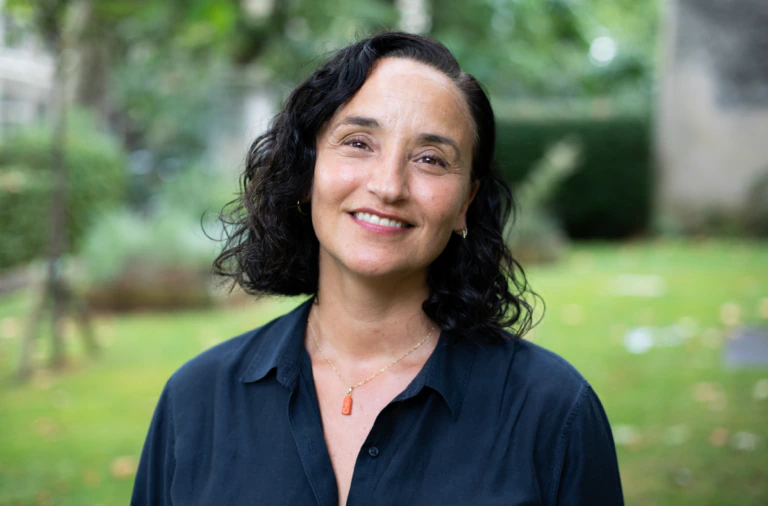
Claire Nicholas is working on a PhD in archaeology at the University of Exeter
In the 1960s, Unesco spearheaded a global campaign to rescue Nubian monuments and archaeology before they disappeared beneath the waters of Lake Nasser.
The lake, actually a gigantic reservoir, was created as a consequence of the building of the Aswan Dam. The Nubian population was dispersed and encouraged to learn Arabic, in the process losing access to their traditions and ancestry.
During my research, Nubians have told me they feel that Americans and Europeans know more about their history than they do themselves.
To help redress the balance, museums with significant Egyptian collections should add Arabic to their websites and, in many cases, increase the number of Egyptian items available for viewing online.
The first stage of research was to identify which museums had Nubian artefacts in their collections and to publish the results in English and Arabic on my website.
Some curators remarked that it was the first time someone had collated the information and agreed to publishing information in Arabic. It is so gratifying when experts agree with your research.
When interviewing Egyptian Nubians earlier this year, I asked one to describe an old wedding tradition in Arabic so that, if the authorities agreed, it could be used as background to a museum exhibit.
I obviously couldn’t understand what he was saying but looking at the faces of his guests as he recounted memories of a tradition that no longer exists was priceless.
Their joy at sharing such precious recollections was an honour to witness. At the end, I had tears running down my face.
Claire Nicholas is working on a PhD in archaeology at the University of Exeter