The Horniman Museum has the largest collection of Romanian material in the UK, about half of which was a donation from the country’s government in 1957 following an exhibition here.
We are preparing another exhibition that will look at how “folk art” from Romania has been used to express various ideas at different times. In many Romanian villages, textiles were used to decorate the best room and to express a woman’s skill and diligence.
In contrast, a version of peasant costume was often worn by aristocrats to express national pride during the drive for independence.
During the communist period, folk art was used as propaganda to forge links with countries on the other side of the Iron Curtain.
In 2009, funding from the Ratiu Foundation allowed me to travel to Romania to talk to people in villages where our collections came from, to see if research could help us to understand and display the material better.
This led to a successful application for funds for a joint project between the Horniman and Goldsmiths, University of London.
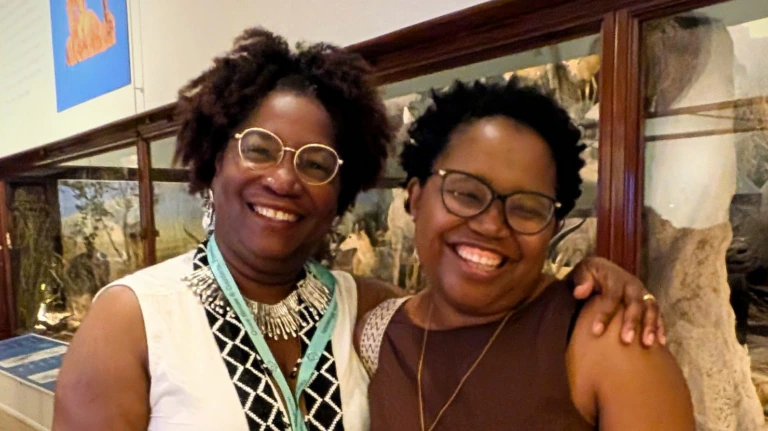
Two students received an AHRC collaborative doctoral award and went out in the field to find out more. An award from the Romanian Cultural Institute supported a visit from a Romanian curator, Maria Netcu, who helped to identify and catalogue costume items.
On the Romanian theme, we also produced a touring display of traditional Easter eggs, beautifully decorated by artists who apply wax to the shell, dip them in a dye and then remove the wax to leave elegant patterns.
My own specialist area is southeast Asia, so it has been a new experience for me to organise research into the historical and social context of some of our European material, but one that has been fascinating and worthwhile.
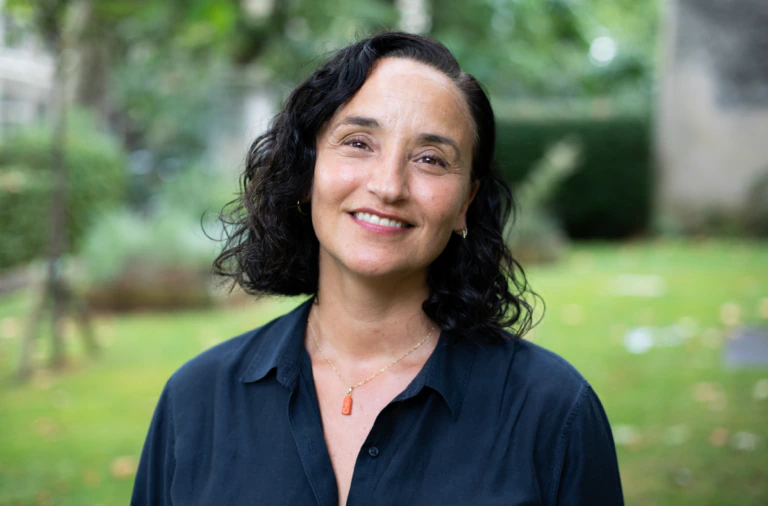
Fiona Kerlogue is deputy keeper of anthropology at the Horniman Museum and Gardens, London
We are preparing another exhibition that will look at how “folk art” from Romania has been used to express various ideas at different times. In many Romanian villages, textiles were used to decorate the best room and to express a woman’s skill and diligence.
In contrast, a version of peasant costume was often worn by aristocrats to express national pride during the drive for independence.
During the communist period, folk art was used as propaganda to forge links with countries on the other side of the Iron Curtain.
In 2009, funding from the Ratiu Foundation allowed me to travel to Romania to talk to people in villages where our collections came from, to see if research could help us to understand and display the material better.
This led to a successful application for funds for a joint project between the Horniman and Goldsmiths, University of London.
Two students received an AHRC collaborative doctoral award and went out in the field to find out more. An award from the Romanian Cultural Institute supported a visit from a Romanian curator, Maria Netcu, who helped to identify and catalogue costume items.
On the Romanian theme, we also produced a touring display of traditional Easter eggs, beautifully decorated by artists who apply wax to the shell, dip them in a dye and then remove the wax to leave elegant patterns.
My own specialist area is southeast Asia, so it has been a new experience for me to organise research into the historical and social context of some of our European material, but one that has been fascinating and worthwhile.
Fiona Kerlogue is deputy keeper of anthropology at the Horniman Museum and Gardens, London