There have been two significant developments in recent weeks involving the care and treatment of human remains in UK university museum collections.
Manchester Museum has confirmed that the mummified body of an Ancient Egyptian woman known as Asru has been removed from display – more than 200 years since it was first unwrapped at the Manchester Natural History Society.
Meanwhile, the Pitt Rivers Museum in Oxford is preparing to return 39 ancestral human remains to Nagaland as part of an open-ended, Indigenous-led project with the Naga people of northeastern India and northwestern Myanmar.
Manchester Museum's Egyptian collections
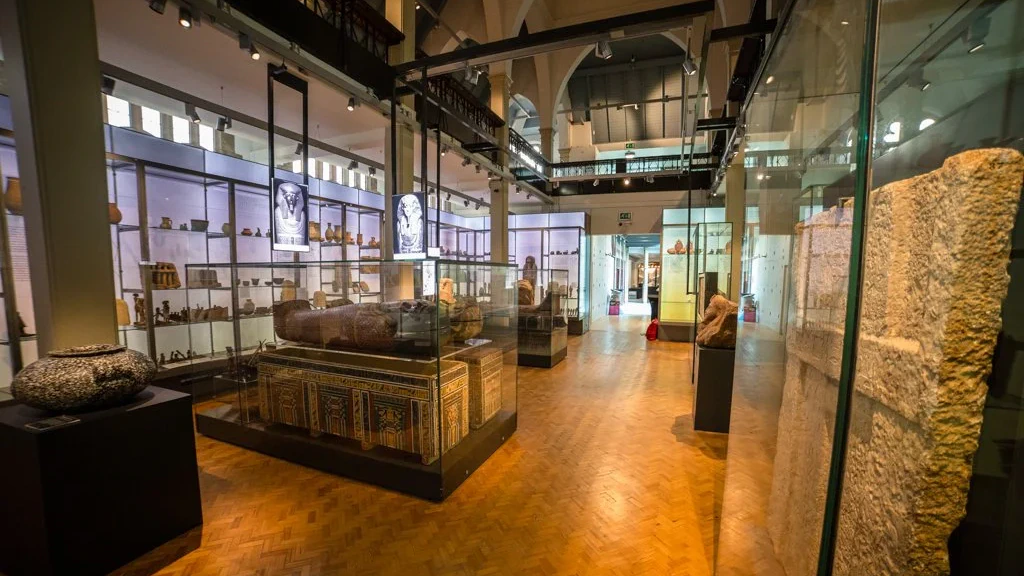
At Manchester Museum, Asru's mummified body could be seen in Egypt and Sudan Gallery until this month. The remains had been displayed almost continuously in the city for more than two centuries.
The University of Manchester-run museum undertook a consultation last year to explore future options for the care of Asru. It said the decision to remove the remains from display was grounded in its core values of “care and inclusion”, and reflected changing thinking about museums' responsibilities towards ancestors, collections and the communities they represent.
Advertisement
Before making the decision, the museum said it had spoken to Egyptian colleagues, members of the Egyptian diaspora and visitors about attitudes towards the care and display of mummified people.
The museum said the decision also “aligns most closely with what we understand about [Asru's] own wishes”. Elite Egyptians of her time would have expected their mummified bodies to remain wrapped in their coffins and invisible to the living, said the institution.
The mummified body is now being kept in the museum's stores within its outer coffin, which will remain closed. However, the museum said this is not intended to be the permanent resting place for Asru.
" We are thinking about how we better care for ancestors, in line with the wishes of the dead and of living communities,” it said in a statement on its website. “In some cases, this will mean creating more suitable resting places within the museum, in others it will mean arranging for the return of ancestors to communities of origin.”
Egyptian heritage and museum researcher Marwa Elhosary of the University of York, who took part in the consultation, welcomed the decision.
"Whenever I walk into a museum and see a mummy on display, a question always comes to mind," she said in an interview on the museum’s website. "If she were alive among us today, would she ever accept to be displayed like this?"
Advertisement
Elhosary said Asru should be regarded as "a real human being" rather than simply a museum object. She described the decision to move her to a space preserving her privacy as a "monumental shift".
“This move doesn't mean erasing or hiding history. In fact, it is a rethinking of how we present history with dignity,” said Elhosary.
“We don't need to display the body to tell its story. If the museum replaces the body’s display with a short video or an audio recording telling her story and let the Egyptians tell it themselves, it's like we are telling her: we remember you. We haven't forgotten your story and you are among your people and family.”
Pitt Rivers repatriation
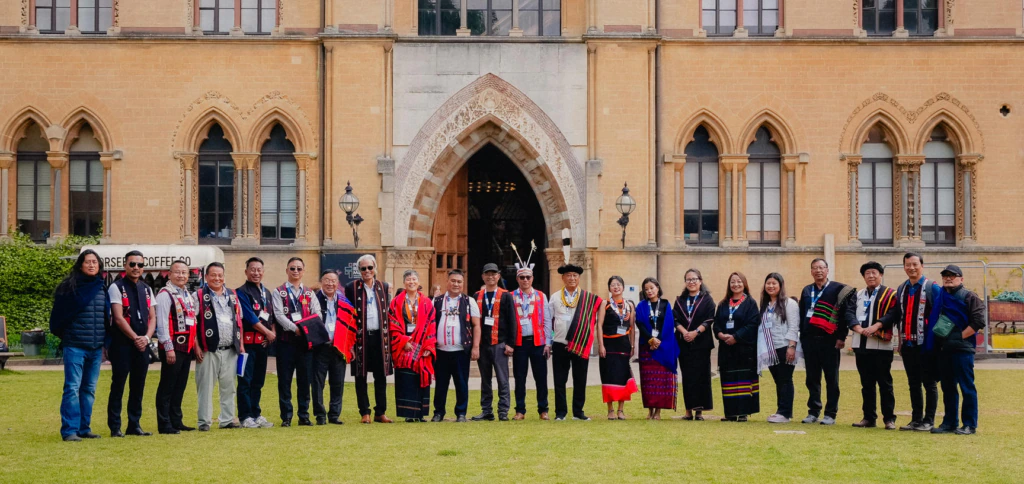
Meanwhile, 39 Naga ancestral remains will shortly begin their journey home from England to Nagaland following a process of dialogue, research and reconciliation that began six years ago.
Advertisement
The process involved the Forum for Naga Reconciliation (FNR), its Recover, Restore and Decolonise team, tribal elders, churches and communities across the Naga homeland in the northeastern region of India, working in collaboration with the Pitt Rivers Museum at the University of Oxford.
The museum holds the largest collection of Naga material in the world, much of which was brought to Oxford by the colonial administrators and anthropologists John Henry Hutton and James Philip Mills between 1910 and 1940.
The Naga collection includes 219 items classified as human remains: 39 ancestral human remains, primarily skulls, and 178 objects containing, or potentially containing, human hair.
According to research cited by the museum, such remains and objects were frequently confiscated during punitive military expeditions rather than freely given.
The museum removed all human remains from its exhibition floors in 2020 and announced a commitment not to display any remains without the consent of communities of origin.
This new approach opened the door to dialogue with Naga communities about the future care and return of the ancestral remains.
In June 2025, the Pitt Rivers Museum hosted the first formal Naga delegation in its history, giving leaders and elders access to the ancestral remains for the first time since they had been removed from display.
The visit included traditional ceremonies, prayers and song, and culminated in the delegation releasing the Naga-Oxford Declaration on Repatriation.
The Naga-Oxford Declaration on Repatriation:
- We are grateful to our ancestors for being a testament and silently proclaiming the stories of our people.
- We are sorry that it has taken us several decades but we are here now to reclaim and return you to the homelands from where you were taken.
- We are committed to the process of your return from museums.
- We acknowledge that this repatriation process is towards the healing and wholeness of the Naga people.
- As Nagas, we do so in a united voice, with mutual respect and consensus and to offer you a dignified rest, establishing a Naga monument of healing and peace for all generations, symbolising the oneness of the Nagas.
- We extend our solidarity to fellow Indigenous Peoples across the world who seek to undertake a similar journey of repatriation in the hope of bringing decolonisation, justice and peace, not just for ourselves but for humanity.
In July 2026, following a formal claim, the University of Oxford Council agreed to return the 39 ancestral human remains. It declined the return of one set of remains due to a lack of clear evidence that it originated from the Naga people.
The Pitt Rivers Museum says it is now working with Naga representatives to agree a date for a formal handover ceremony.
Professor Dolly Kikon of the University of California, who was part of the Naga delegation, described the process as “an act of healing, of returning sovereign decision making and reclaiming the dignity of our ancestors and the Naga people”.
Laura Van Broekhoven, the director of the Pitt Rivers Museum, said it had “been a long journey to get to this moment”.
Van Broekhoven said the project had led to “both grief and sadness when looking back on that past”, but had also shown “where hope is possible as we work towards reconciliation and healing”.