
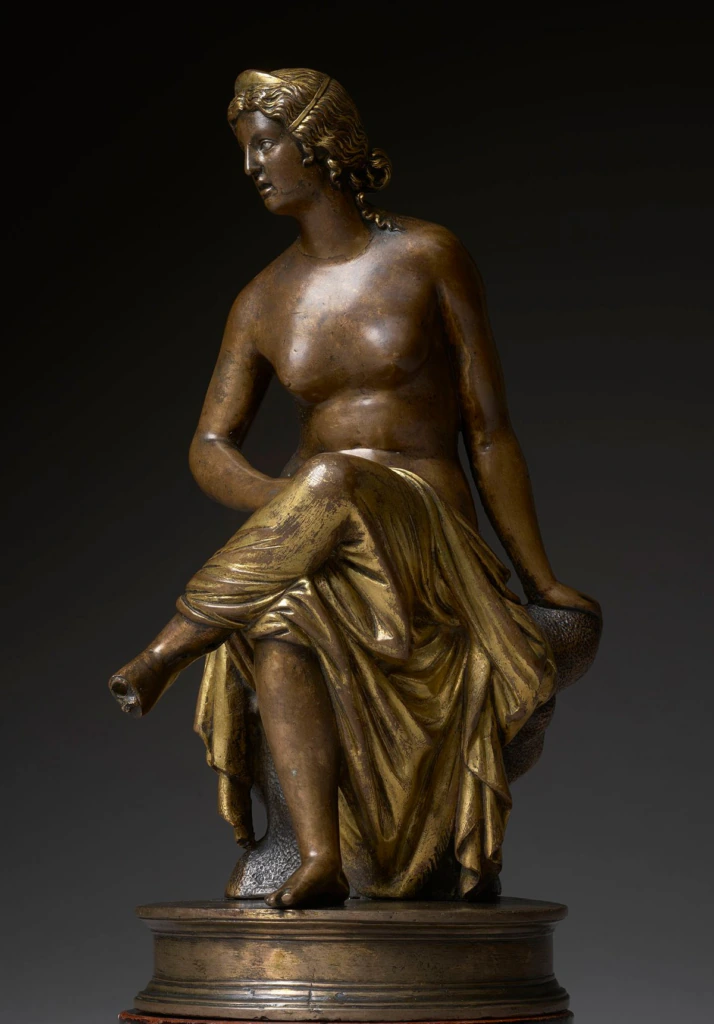
A rare bronze statuette created by the Italian sculptor Antico more than 500 years ago has been blocked from leaving the country.
The export bar was put on the £4.6m Seated Nymph sculpture after the Reviewing Committee on the Export of Works of Art and Objects of Cultural Interest found that it met the second and third Waverley criteria for its outstanding aesthetic importance and its outstanding significance to the study of the history of sculpture collecting in the UK. The 20cm tall statuette was once part of the Dukes of Bedford estate at Woburn Abbey and has potential connections with Charles I.
The temporary export bar gives museums and galleries time to raise the £4.6 million needed to acquire the sculpture and keep it in the UK and on public display. The deadline for expressions of interest from a UK museum or gallery is 17 December, after which time the owners will have 15 business days to consider any offers over the recommended price of £4.6m plus VAT.
Stuart Lochhead, a member of the reviewing committee, said: “Pier Jacopo Alari Bonacolsi, known as Antico, forever linked his fame with his skill at imitating classical antiquity. He developed a highly sophisticated technique for producing luxuriously finished bronze statuettes, becoming one of the leading artists at the court of Mantua.
“The Seated Nymph is one of his most beautiful creations, embellished with golden hair and drapery, as well as inlaid silver eyes. It was rediscovered in the sculpture collection at Woburn Abbey. The export of this exquisite sculpture from the UK would be a great loss, depriving the public of the work of an exceptionally rare and hugely admired sculptor.”
Advertisement
The artwork’s early provenance is not entirely clear, but it was possibly acquired with the collections of Gianfrancesco Gonzaga by King Charles I in about 1627, before being sold on 20 years later. It is known to have been part of the Dukes of Bedford estate by 1928 but was probably acquired by the family at some point in the 1700s.
Having been discovered “gathering dust” outside the pantry of the private wing at Woburn Abbey, it was sold at auction in 2009 through Sotheby’s for £1.3m. Its present owner bought it from London-based art dealer Patricia Wengraf in April 2026.
Most expensive
The deadline for another export bar, this one placed over the summer on Rembrandt’s Portrait of Catrina Hooghsaet, expires on 26 December. The recommended price for the 1657 painting is £71m, making it the most expensive object ever to be given national treasure status.
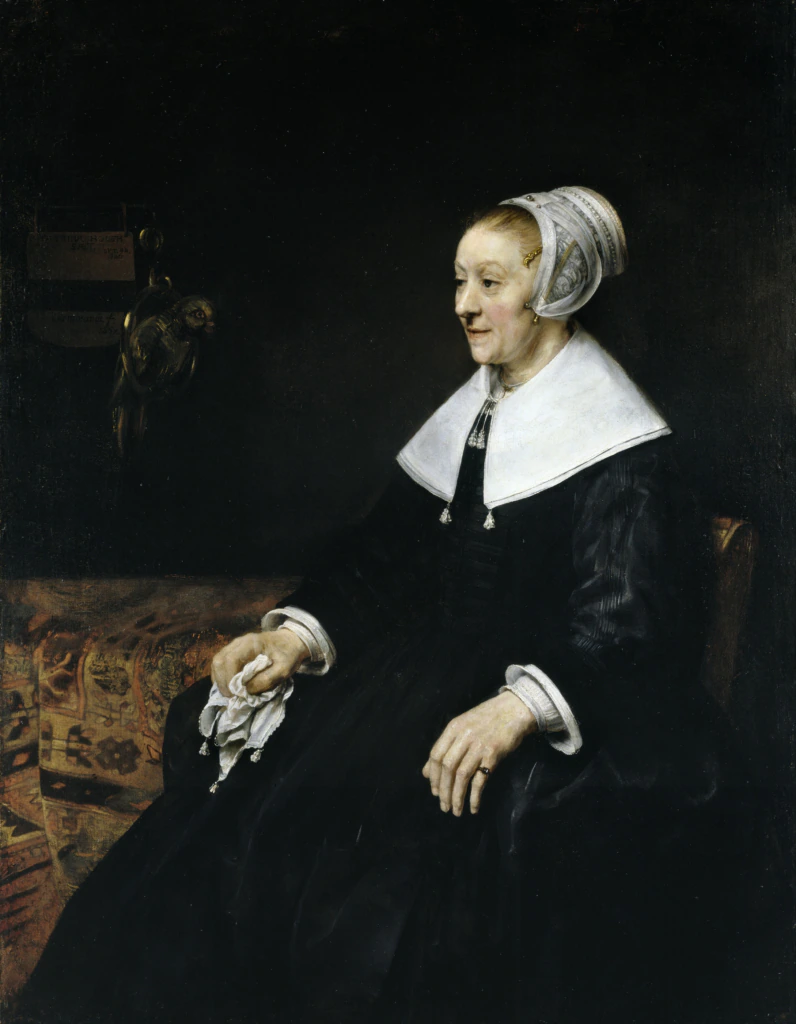
It has been displayed in the UK since the mid 18th-century, most recently in Cardiff at Amgueddfa Genedlaethol Caerdydd, through a long-term loan with Amgueddfa Cymru – Museum Wales.
Advertisement
In 2015, it was sold to a foreign buyer for £35m but remained in the UK. Earlier this year it sold for £70m and an application for export was submitted.
Arts minister Ruth Mackenzie said: “The Portrait of Catrina Hooghsaet has been part of the UK’s cultural life for centuries. The scale, beauty and history of this masterpiece make it a priority for cultural partners, funders, philanthropists, and lovers of Rembrandt to help this masterpiece keep its historical place in the UK.”
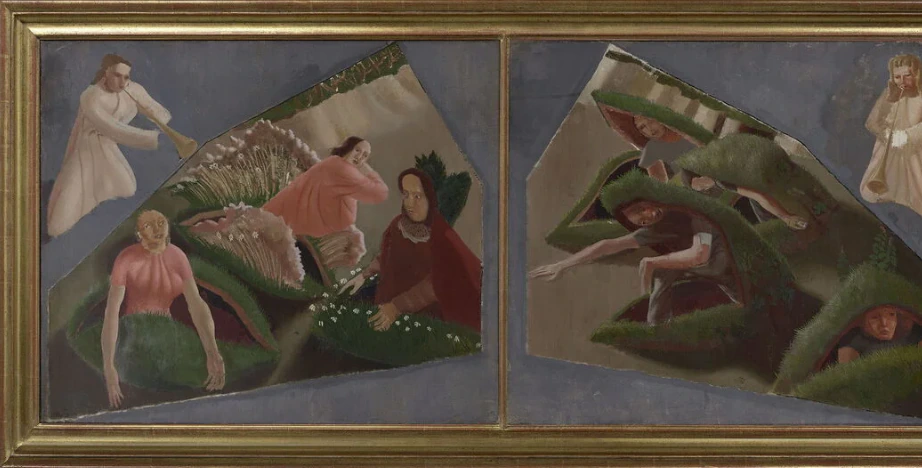
Earlier this month, the government placed an export bar on a painting by Stanley Spencer created during the first world war. The Resurrection of the Good and the Bad was created in 1915 and is part of a series created by Spencer exploring the theme of resurrection.
The deadline for expressions of interest is 10 December with the recommended price for the painting set at £450,000.