A 5% “tourist tax” came into effect in Edinburgh last week, a fortnight before two of the city’s biggest festivals are due to start.
The fee applies to the cost of all paid overnight accommodation in Scotland’s capital city, capped at five nights in a row. Having been formally agreed in January 2025, it has applied to all advance bookings made since 1 October 2025 for stays taking place on or after 24 July 2026. The levy is charged at the same rate every day of the year.
The visitor levy scheme is projected to raise up to £50m a year, which will be invested back into “facilities mainly used by or for visitors”, including culture, events and festivals. In February, councillors agreed the first full set of investment programmes using funding raised by the levy, with the initial programme falling under three themes: city operations and infrastructure; culture, heritage and events; and destination and visitor management.
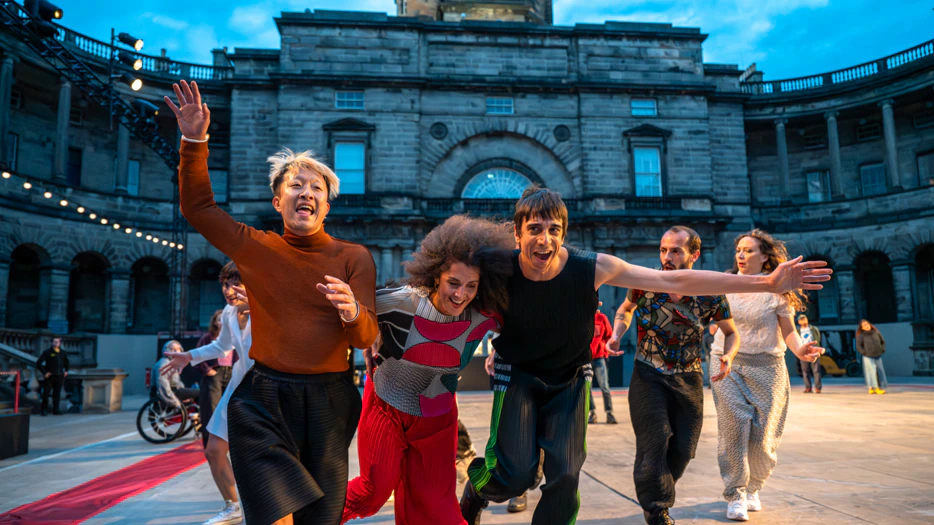
Several projects have already started, including £132,000 contribution towards Edinburgh’s Festival Carnival and Mardi Gras events in July. Other initiatives already agreed include £2.75m to create a Market Street Arts Hub.
“This is such an important moment for our city – and for our residents and visitors,” said Edinburgh Council leader Jane Meagher.
“It’s the result of a huge amount of work over many, many years and I am proud to be the first local authority in the UK to push ahead with a city-wide visitor levy scheme. We now have a unique opportunity to invest more in the things that make our city so special.
Advertisement
“We know that the city’s popularity comes at a cost through the pressure it puts on our services and on the people who live and work here all year round. This small new contribution from overnight visitors will help improve the services and public spaces we all depend on, while better managing the effects of tourism and major events.
“The levy has also opened the door to exciting new projects right across the city – helping to make Edinburgh a cleaner, greener and more welcoming place. We’ll soon be able to invest more into our many parks and green spaces, and bring much-loved cultural venues such as the Royal High School and Leith Theatre back into use for the first time in decades – and much more.
“We’ve always said this is a city-wide fund and spending decisions need to be taken with the whole city in mind – and we’re very grateful to Edinburgh’s businesses and residents for their constructive feedback and support throughout the process. I’m very aware of how busy the city’s accommodation providers are at this time of year and we’re continuing to do everything we can to support them as the scheme comes into effect.
“This is a big opportunity for us all to work together and enhance Edinburgh’s position as one of the most popular visitor destinations in the world.”
Twelve Edinburgh individuals were selected last year to form the city's first Visitor Levy Advisory Forum, chaired by Julie Ashworth, to advise the council on how funds are invested.
“We all want Edinburgh to remain a world‑class destination in a way that works for everyone, and the levy is now ready to deliver transformative investment that will protect its unique heritage and support its future success,” Ashworth said.
“We’ve continued to work closely with council officers to provide robust feedback on the investment projects and ensure the levy delivers real, visible improvements and supports both the visitor experience and everyday life for residents. From revitalised public spaces to better visitor infrastructure and experiences, we’re confident the levy can help Edinburgh stay welcoming, resilient and successful.”
Two of the city’s biggest events run in August – Edinburgh International Festival (7-30 August 2026), which attracts more than 110,000 audience members annually, and Edinburgh Fringe Festival (7-31 August), which brings in roughly three million people every year.