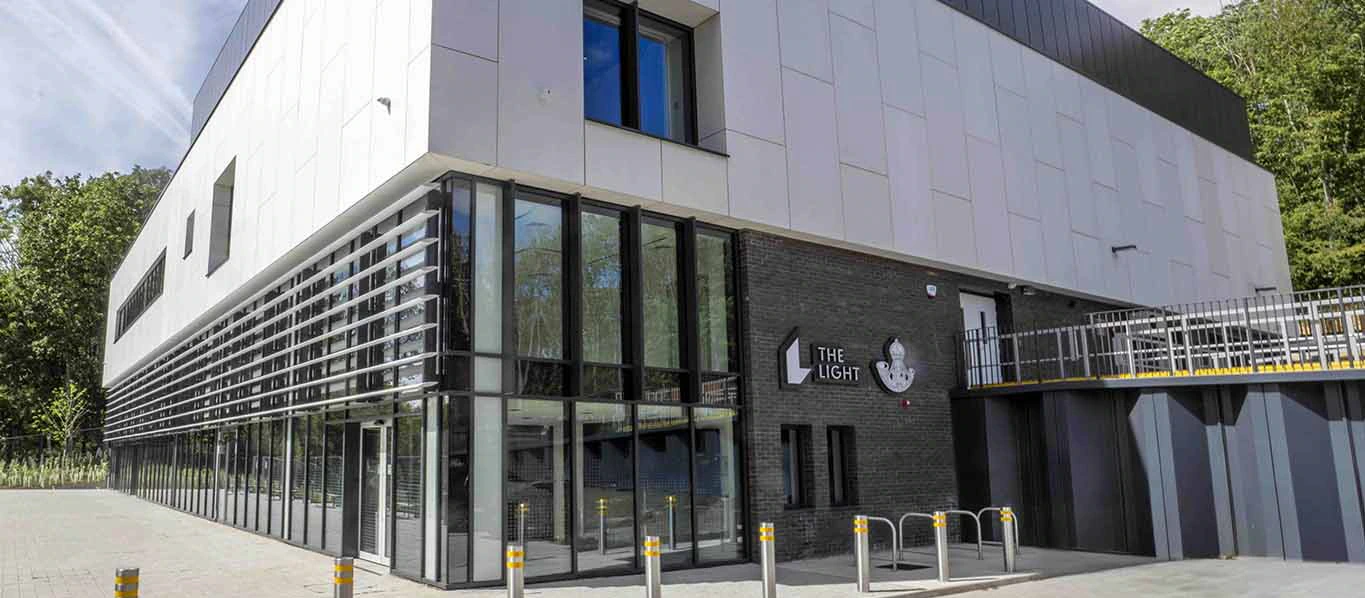
The Light – formerly the Durham Light Infantry (DLI) Museum and Art Gallery – in Durham will open to the public on 22 August after a £17m redevelopment.
Run by Durham County Council, the museum at Aykley Heads has been closed for 10 years, since 2016. It permanently closed in due to low visitor numbers, meaning it was no longer financially viable.
Construction setbacks and local protests over the redevelopment – which some residents opposed because veterans’ ashes had been scattered on the museum grounds – meant it took nearly a decade before a formal plan was approved in 2023 under new council leadership.
The opening will complete a capital development programme that also included the new collections venue, The Story, a sister site to the DLI museum, which opened last year at Mount Oswald manor house. The Story is the permanent store for the DLI Collections.
Both developments were funded by Durham County Council, with other major investments coming from the North East Combined Authority, Arts Council England, European Regional Development Fund, the National Lottery Heritage Fun and the Wolfson Foundation.
To create The Light, the ex-DLI Museum building has been significantly extended and transformed, with the addition of 550 sq metres of temporary exhibition space. The venue has retained the building's historic connection to the Light Infrantry Regiment, telling the story of the “Durhams” through objects, documents, creative responses, and film footage from the DLI Collection in a permanent display.
Advertisement
The award-winning architects NORR led the redevelopment of the venue, which also comprises a ground floor café, a shop, as well as facilities to host private events and conferences. The council anticipates visitor numbers of 80,000-100,000 annually.
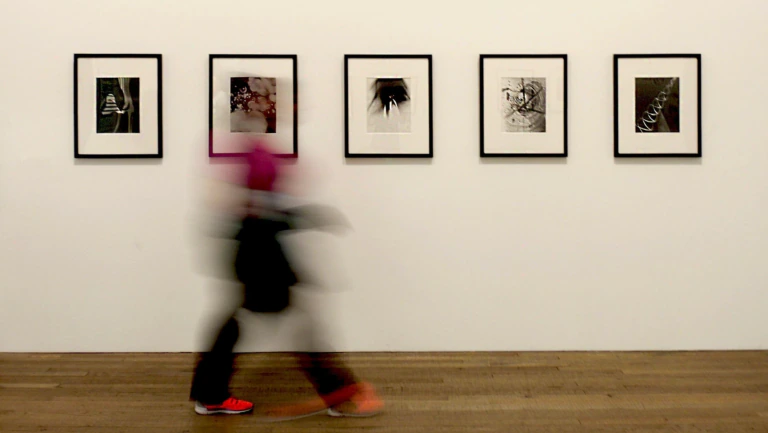
The first temporary exhibition at the site will be Victory Over the Sun: Encounters with Light, which will look at modern and contemporary artists using light in experimental ways, including works by Dan Flavin and Tracey Emin. The exhibition was inspired by Joseph Swan's (1828-1914) spirit of innovation. Swann was a British physicist, chemist and inventor of the light bulb, and was born in Sunderland within County Durham.
The Light’s new name reflects County Durhamʼs many associations with light – including the creation of the Venerable Bedeʼs lunar calendar 1,300 years ago; Durham University’s leading department in stained glass research at its Institute of Medieval and Early Modern Studies; the city's 14th-15th century cathedral’s stained glass windows based on the theory of Abbot Suger’s (1081-1151) theology of “divine light”; as well as Durham Universityʼs involvement in the Nasa James Webb Space Telescope.
Robin Stewart, director of NORR, said: “The Light demonstrates how existing buildings can be reimagined to meet contemporary cultural needs while preserving the qualities that make them special. Working with Durham County Council, Avison Young and Willmott Dixon, we have helped to transform the former DLI Museum and Durham Art Gallery into a vibrant cultural destination for Durham.
“The building has been sensitively adapted and extended, restoring the clarity of its original modernist design. Our approach was guided by a deep respect for the Durham Light Infantry Regiment, with new interventions designed to sit quietly alongside the retained fabric.”
Tony Guillan, the artistic director of The Light, said: "The Light will be a place where art, innovation and history meet. Drawing together artists from County Durham, the North East and internationally, we'll create opportunities for people to encounter new ways of seeing and understanding their place in a rapidly changing world. Our programme will span exhibitions, live events, outdoor commissions and immersive experiences, showcasing artists who work across artforms and at the intersections of creativity, science, technology and society.
Advertisement
“Through touring exhibitions, new commissions and year-round programming, The Light will explore the social, cultural and technological forces shaping our lives, connecting global conversations with the textures of everyday life in County Durham. By bringing local perspectives, histories and heritage into dialogue with contemporary artistic practice and new ideas, we hope to create a cultural space that is both deeply connected to its community and engaged with contemporary culture on a national and international stage.
“Alongside presenting work by internationally renowned artists and bringing ambitious new cultural experiences to the region, often for the first time, we'll support artists through commissions, residencies and development opportunities, helping to make The Light a platform for creativity, exchange and experimentation, connecting the culture and creativity of the North East with wider networks of artists, ideas and audiences."
Karen Allison, Durham County Councilʼs cabinet member for leisure, tourism, regeneration and high street, said: “We are incredibly excited to welcome people to our new cultural venue The Light this August. The building has always been both a museum and an art gallery and this tradition will continue at The Light.
“By remodelling and extending the existing 1960s building, we have created a modern and dynamic venue capable of hosting world-class contemporary exhibitions. A dedicated DLI gallery, meanwhile, will bring stories from the regiment to life in ways that have never been possible before.”
The Story was completed by Ryder Architecture in 2024 and comprises the restored grade-II listed Georgian manor house and a contemporary glass pavilion and climate-controlled concrete archive repository, as well as exhibition galleries and a cafe. Housing development and student accommodation is planned for the rest of the site.