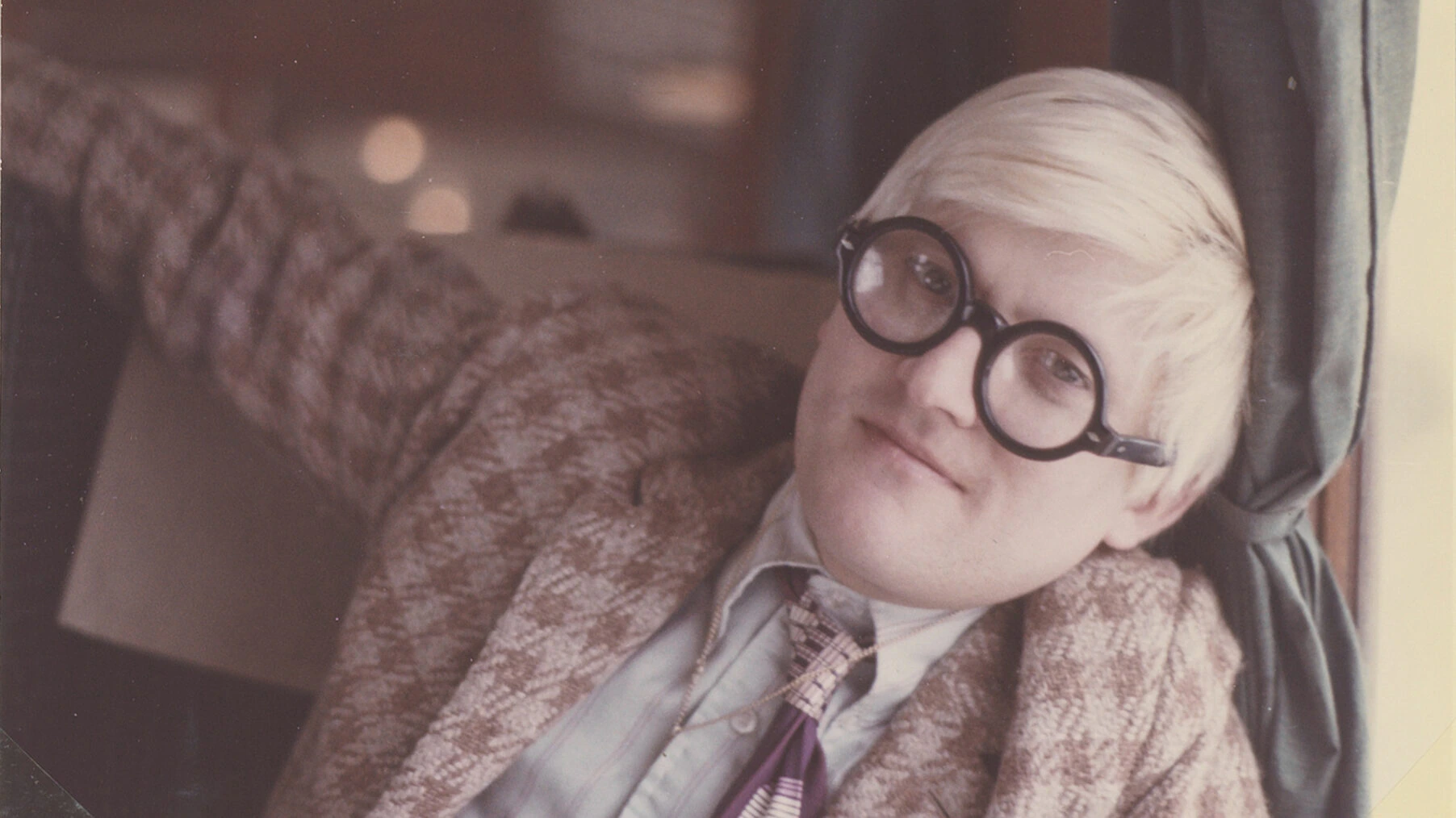
Museums and galleries across the UK have posted tributes to the celebrated British artist David Hockney, following the news that he died peacefully at home last week, just one month short of his 89th birthday.
Hockney was born in Bradford in July 1937 and enjoyed a seven-decade career, still producing works right up until his death on 11 June. His work in the 1960s spanned portraiture, LA swimming pools and opera set design. In later decades, he also worked with photography and iPad drawing apps, and enjoyed a renewed engagement with the landscapes of Yorkshire and Normandy.
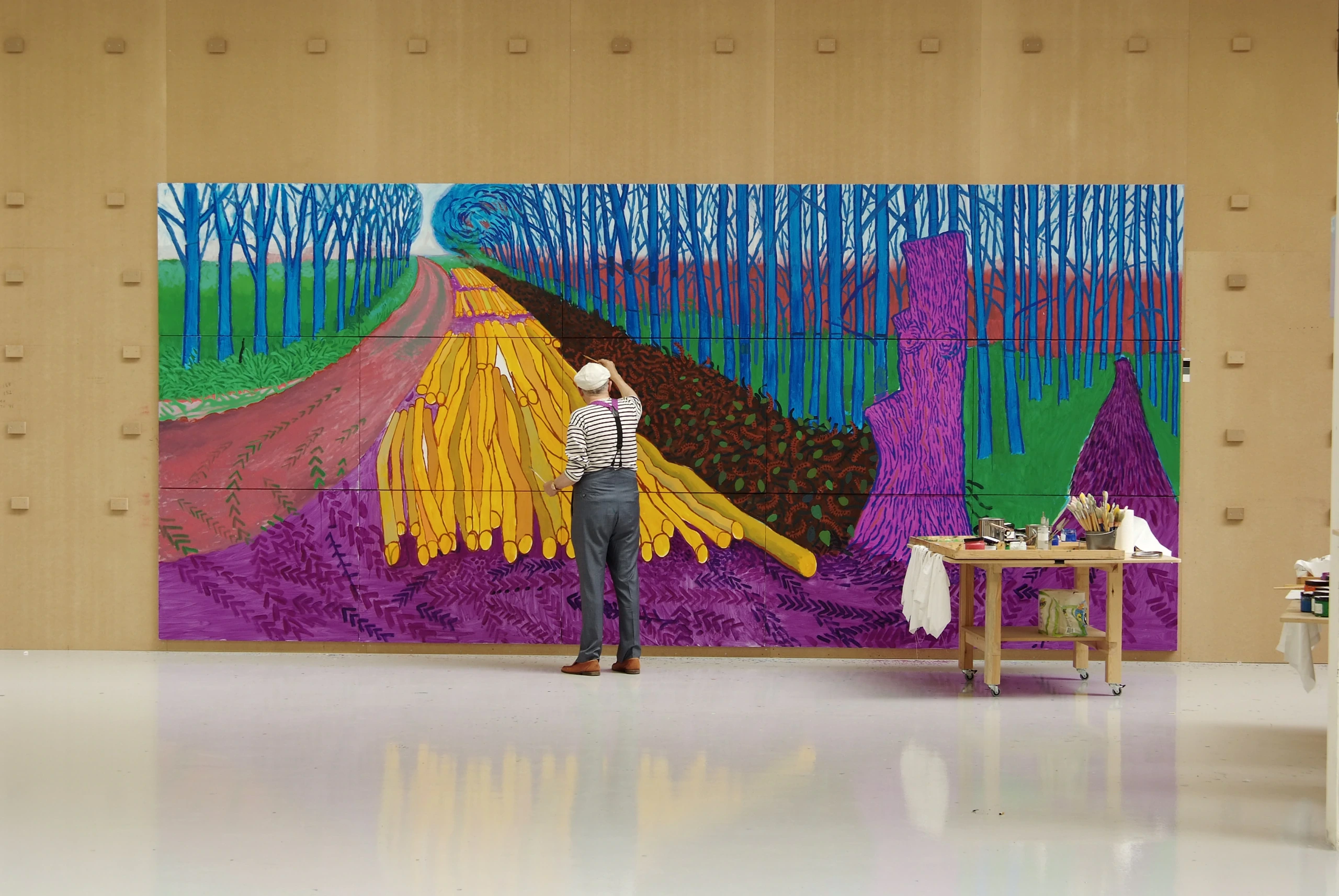
On Instagram, Bradford Museums posted: “We are deeply saddened to hear of the passing of the great Bradford born artist David Hockney, one of the district’s most well-loved sons.
“He was one of the most inspirational artists of the modern era and leaves a lasting legacy, not only in the fantastic artwork displayed in galleries across the district and around the world, but also in the incredible support he gave to our year as UK City of Culture 2025.
“He painted the things he loved, and people will continue to be inspired by his artwork and his passion for life for many years to come.”
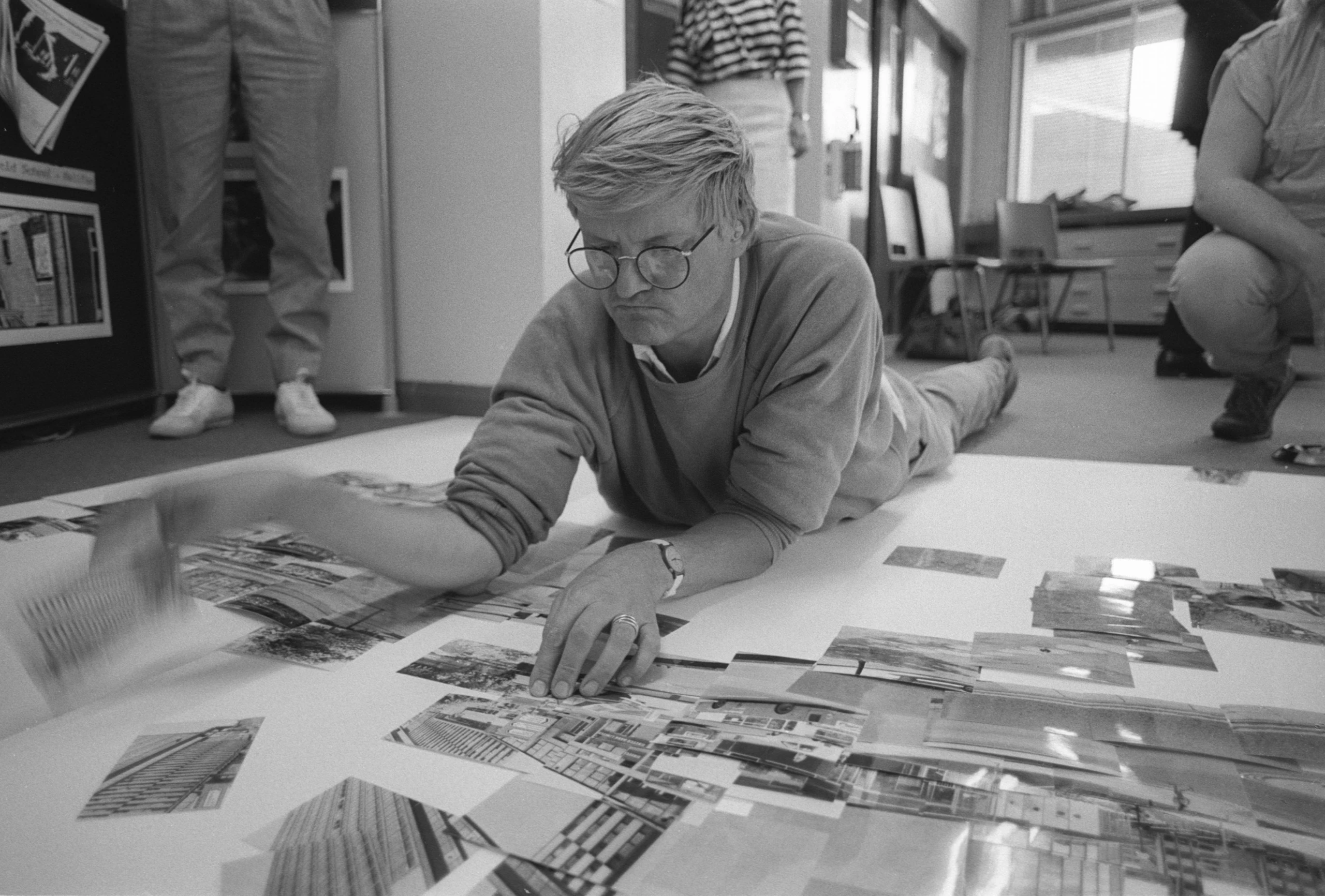
Salts Mill, a Hockney gallery and retail space in a former wool mill in the World Heritage Site of Saltaire, said in a social media post: “David Hockney was a genius. A truly generous soul who we loved.
Advertisement
“Walking around Salts Mill, we are perpetually in awe of the art he created throughout his life – art he was, as our mum used to say, born to make. David Hockney loved life, and he wanted to spread joy. Which he did, to millions of people around the world.”
The National Science and Media Museum, also in Bradford, said: “We have been incredibly proud to showcase David Hockney's work here.
“A pioneering artist who continually embraced new ways of seeing and making images, Hockney leaves behind an extraordinary legacy that continues to inspire audiences in Bradford and around the world.”
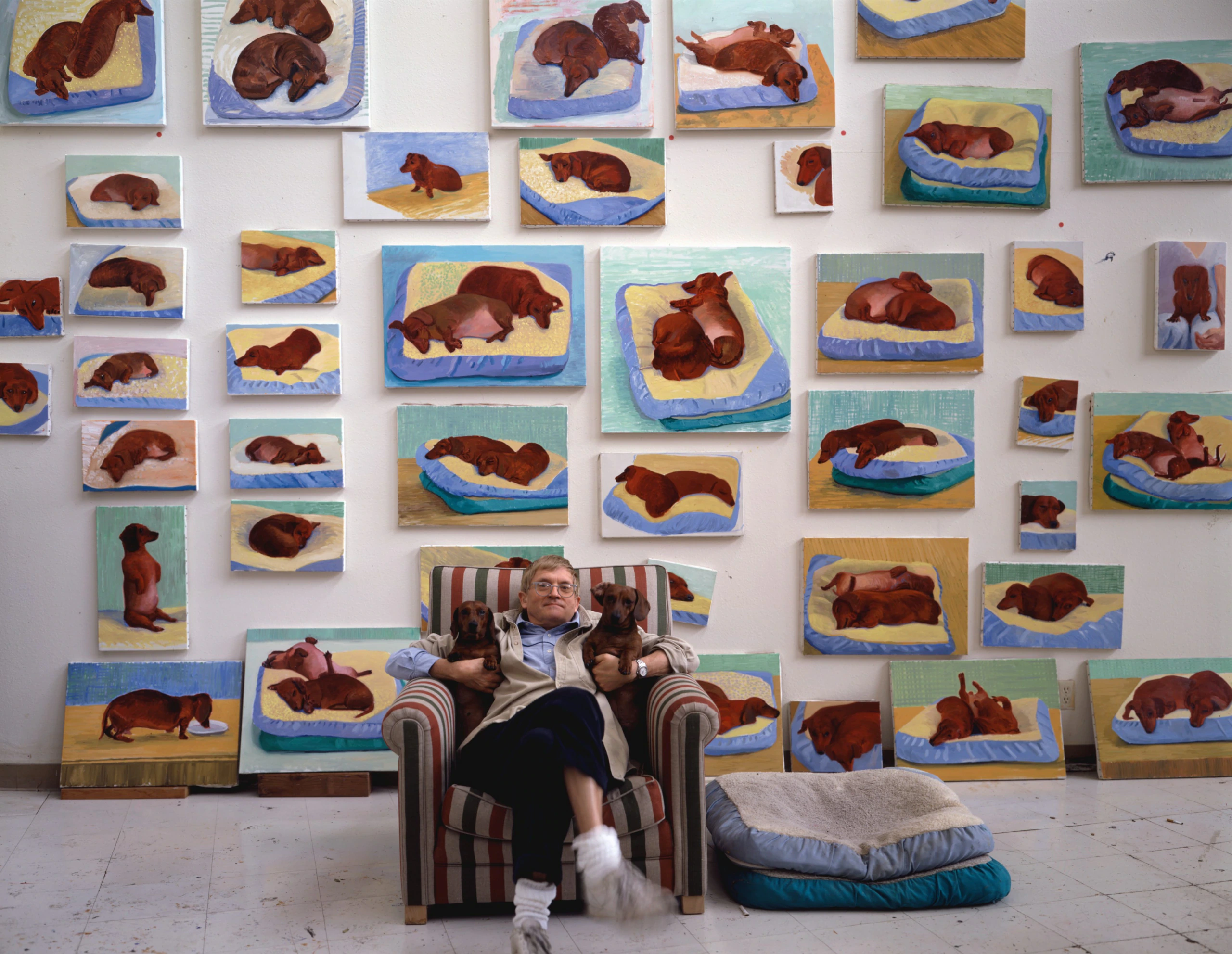
The Serpentine Gallery in London is currently displaying Hockney’s celebrated panoramic frieze A Year in Normandie (until 24 August). In an Instagram post, the gallery said: “With profound sadness, we honour the memory of David Hockney.
“His seven-decade career and prolific oeuvre was characterised by his multi-media approach in image making, an intellectual inquiry into the nature of depiction and perspective, and a sustained commitment to celebrating and portraying the world around him.”
A major Hockney exhibition at Tate Britain next year will go ahead, as will a multimedia installation of his opera sets in Tate Modern’s Turbine Hall. “Hockney’s work will live on at Tate for generations to come, and in museums around the world,” said Alex Farquharson, the director of Tate Britain. “Our thoughts are with his family and friends at this time.”
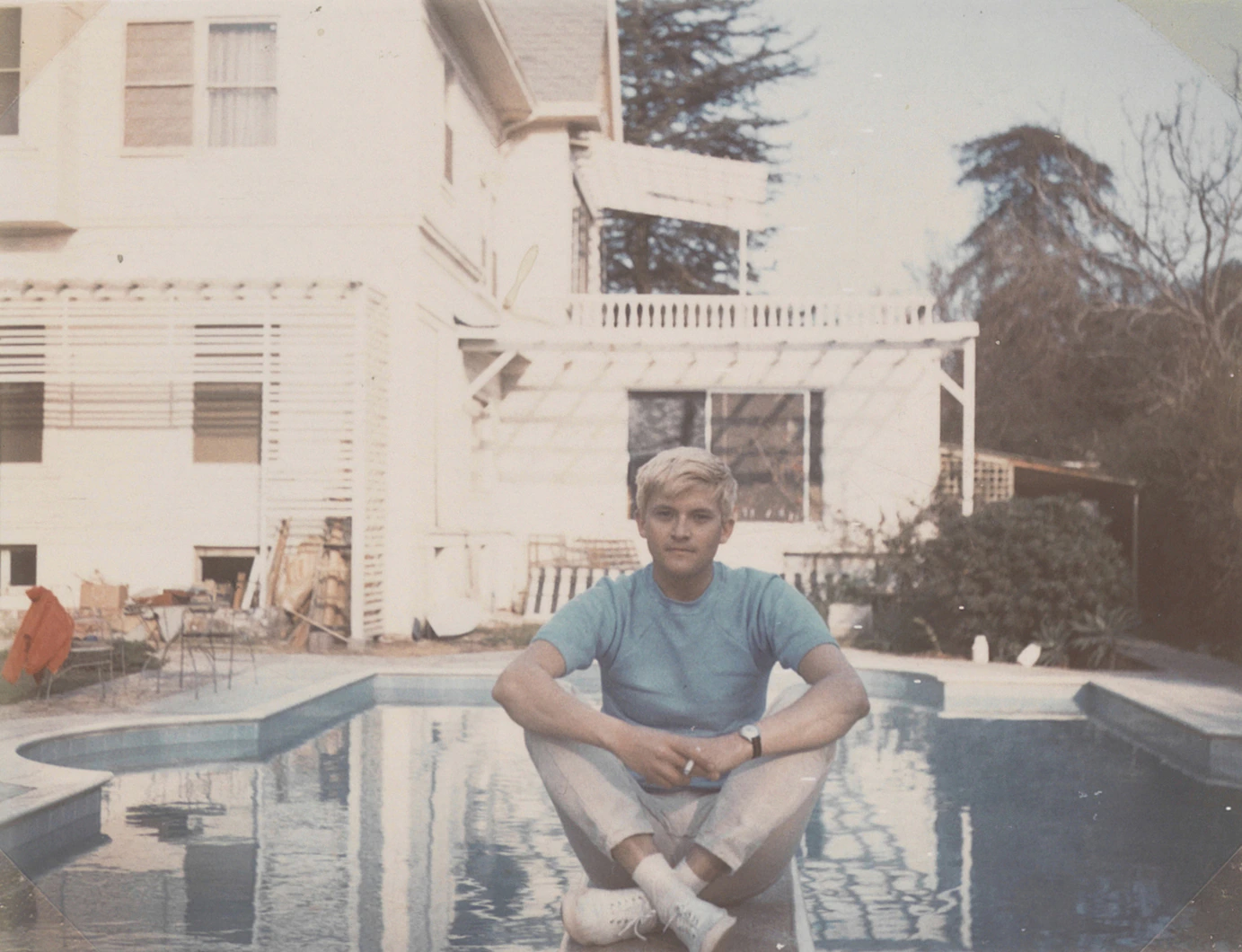
In Scotland, the National Galleries of Scotland said: “[Hockney] innovated with a restless, often playful energy, creating some of the most memorable and influential artworks of the late 20th and 21st century.
“Through his pioneering art, he importantly gave voice and image to gay love and identity during the 1960s, before homosexuality was decriminalised in England and Wales, demonstrating the powerful role creativity can play in promoting equity and societal change.
“So many of his paintings, prints, drawings and digital artworks convey a sense of connection and joy of being with people and in the world, and he never ceased to experiment with new technologies.”