One of the most ambitious capital museum developments of the decade has finally set an opening date.
Eleven years after the London Museum – then known as the Museum of London – first announced that it was moving to the Smithfield Market building complex in Farringdon, the institution has revealed that it will reopen in its new home on 28 November.
The long-awaited opening comes after a complex construction project to transform the near-derelict market buildings into a modern museum space that hopes to welcome more than two million visitors a year.
The redevelopment cost a total of £437m, raised through a mix of public funding and philanthropic donations. Key funders include Bloomberg Philanthropies, the National Lottery Heritage Fund, Goldsmiths Foundation and the Linbury Trust.
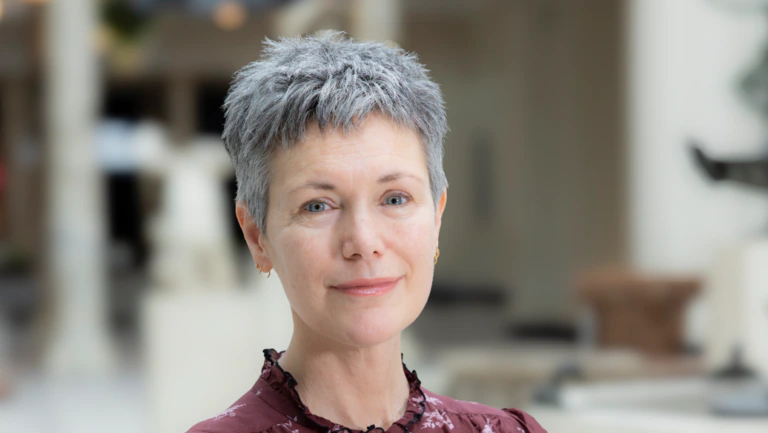
Announcing the date at a press conference today (18 June), London Museum director Sharon Ament said: “It's very exciting for us, because we've been working on this project here in Smithfield for over 10 years.
“I couldn't think of a better place to be than this great building. It's remarkable, and soon you will see just how remarkable it is.”
Advertisement
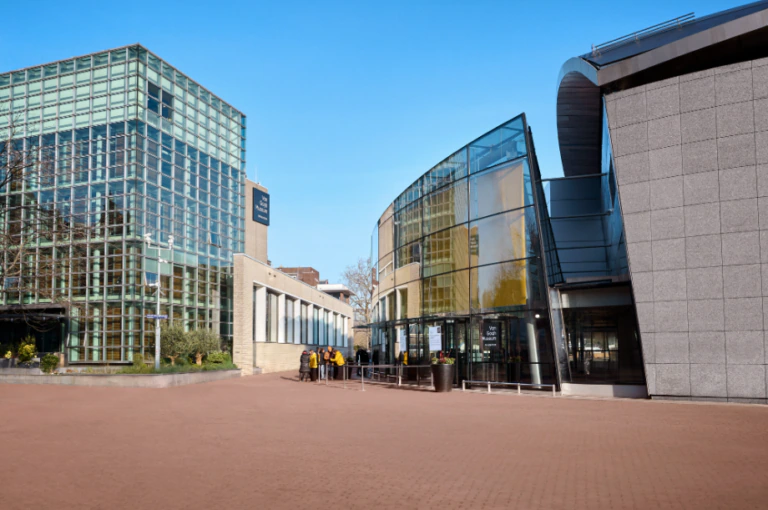
The museum will inhabit two adjacent buildings, with the road in between them glazed at both ends to create an enclosed avenue.
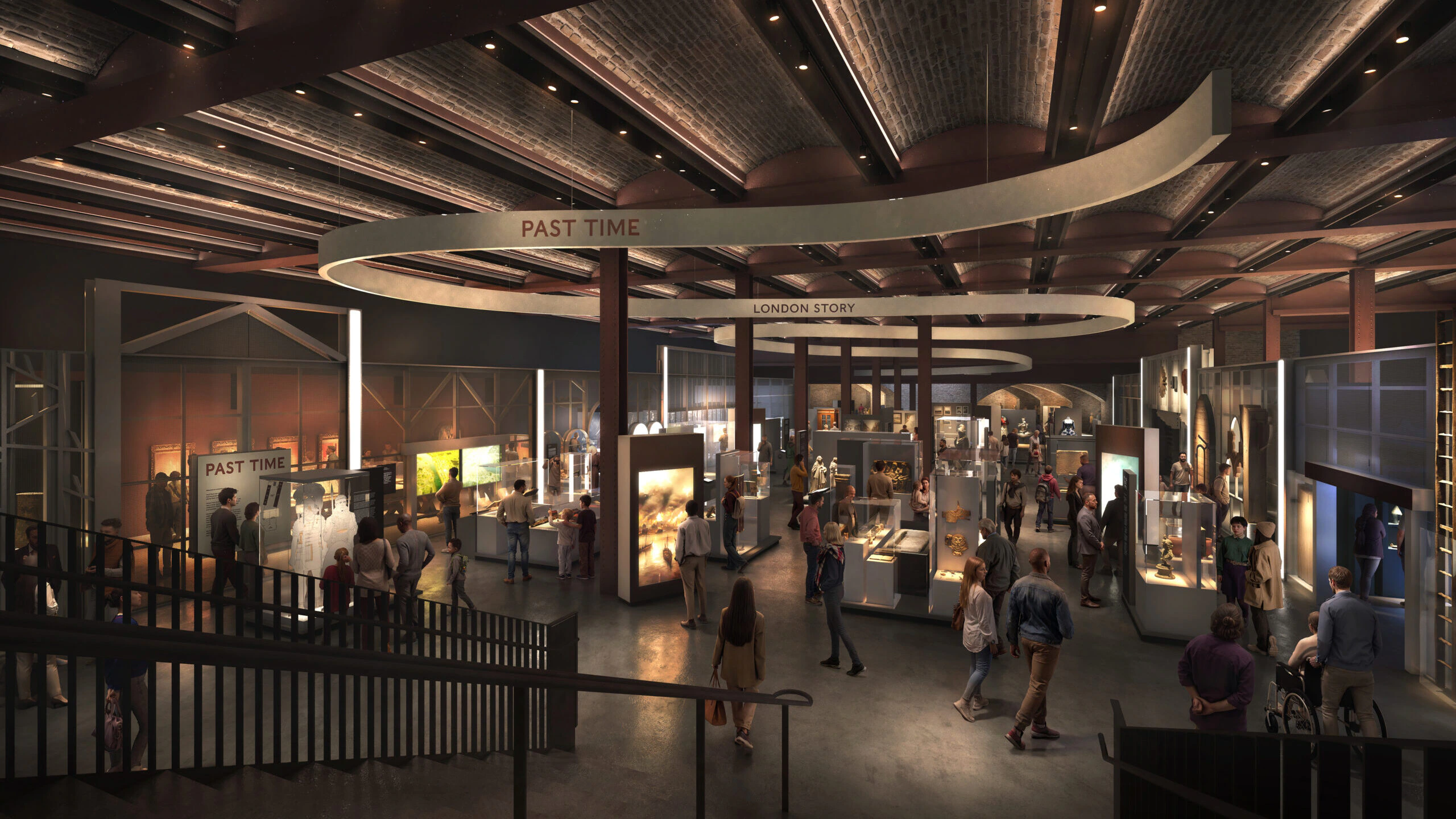
The 1880s general market building is a landmark of Victorian architecture, featuring 16 wrought iron columns supporting a superstructure that covers a space the size of Oxford Circus.
The 1960s poultry market building has one of the largest clear spanning concrete dome roofs in Europe. This part of the museum is not due to reopen until 2028.


Both buildings have been brought up to date by the architectural team of Stanton Williams and Asif Khan, collaborating closely with conservation firm Julian Harrap Architects.
“These buildings were nearly lost, the general market was very derelict and in very poor condition,” said Lyall Thow of Julian Harrap Architects. “So it's quite special that they're going to be preserved for the future and create a wonderful home for London Museum.”
Advertisement
“It's certainly one of the biggest projects of cultural reimagining in Europe at the moment, and is an extraordinary commission,” said Paul Williams, the founder of Stanton Williams.
“It's a city that never stops evolving, it always reveals traces of the past wherever you look, if you look closely,” added Williams. “The museum moving to Smithfield is going to be a chance to celebrate an extraordinary continuum.”
The redevelopment has also been “remarkably sustainable project”, said Williams.
“The biggest factor was the decision taken by the museum before we, as architects, actually started working on the project, by deciding to inhabit two existing buildings in Smithfield, and not build a new museum. [This] has meant that the project is more sustainable than it would have been with a new building.”
Khan said the venue will be “a museum that is not behind closed doors, it's a living part of the city”.
Shop fronts around the museum building will be leased to partner institutions, turning the site into a “coral reef that reflects this idea of patronage […] and the idea of the market being a composite of multiple identities and not a singular one”, he added.
Advertisement
Once open, the museum will “be like London itself”, said Ament, with late openings on Friday and Saturday nights. The day-to-night programme of activities will be delivered with London partners such as Fabric nightclub, Morley’s chicken shop, Punchdrunk Enrichment and Hive Curates.
Each space in the complex will have a different feeling and a different way of operating, said Ament.
In the basement of the general market, the Past Time section will showcase the museum’s permanent galleries. “I like to think of it as an all-you-can-eat wedding buffet that you cannot consume in one go, so you have to keep on coming back,” said Ament. “It's object-rich and very illuminating in terms of the histories of London.”
Upstairs in the general market’s Linbury Hall, visitors will experience Our Time, a place where “where London comes together”, she added. The market trading floor will become a social space with events and guest-edited, co-created programming for families, along with a cafe and shop.
The museum’s inaugural programme, London Tastes (November 2026 to August 2027) will celebrate the city’s food culture, led by guest editors Ruby Tandoh, a former runner-up on the Great British Bake-Off whose work explores the intersections of food and social change, and Jonathan Nunn, the founder of the food publication Vittles.
“I hope that you get a sense that London is forever changing, that we can take something old, disused, and make it into something glorious and new,” said Ament.
“I hope that you will find people that you stand beside when you're looking at an object and hear their conversations about it and realise no matter how different they are that they're just like you or me...
“You're going to learn a lot, you're going to smile a lot, you're going to have a great time, you're going to be proud of London and proud of what we can create.”