Five museum collections, ranging from linoleum flooring to rare Iron Age textiles, have been awarded national significance status by Museums Galleries Scotland (MGS).
Announced on International Museum Day (18 May), the latest designation means there are now 56 collections in Scotland’s Recognition Scheme, which celebrates and promotes Nationally Significant Collections beyond those held in national museums and galleries.
Chanté St Clair Inglis, the chair of the Recognition Committee, said: “Recognising these five collections on International Museum Day reminds us that nationally significant collections are not the preserve of a few.
“Scotland's history is wide and surprising, and it is held and cared for by institutions across the country, in communities that have chosen to say: this matters. Bringing the total to 56 is cause for celebration, and an invitation to keep asking whose stories are still waiting to be recognised.”
The five collections awarded the status are:
The Linoleum Collection managed by OnFife
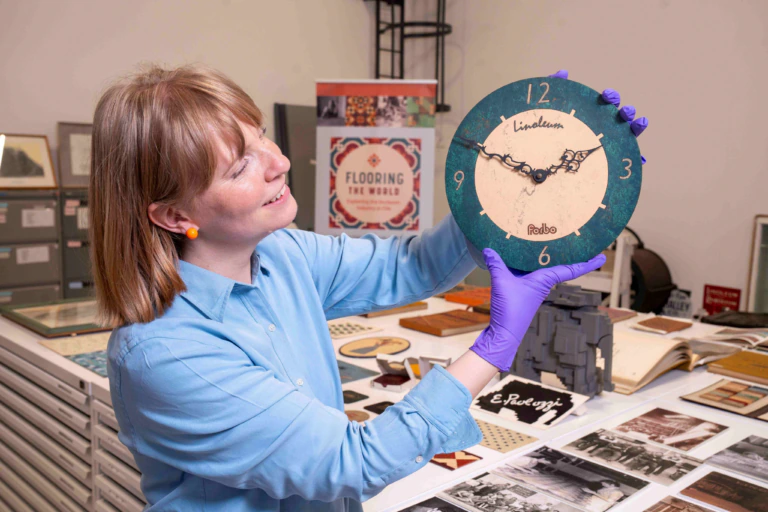
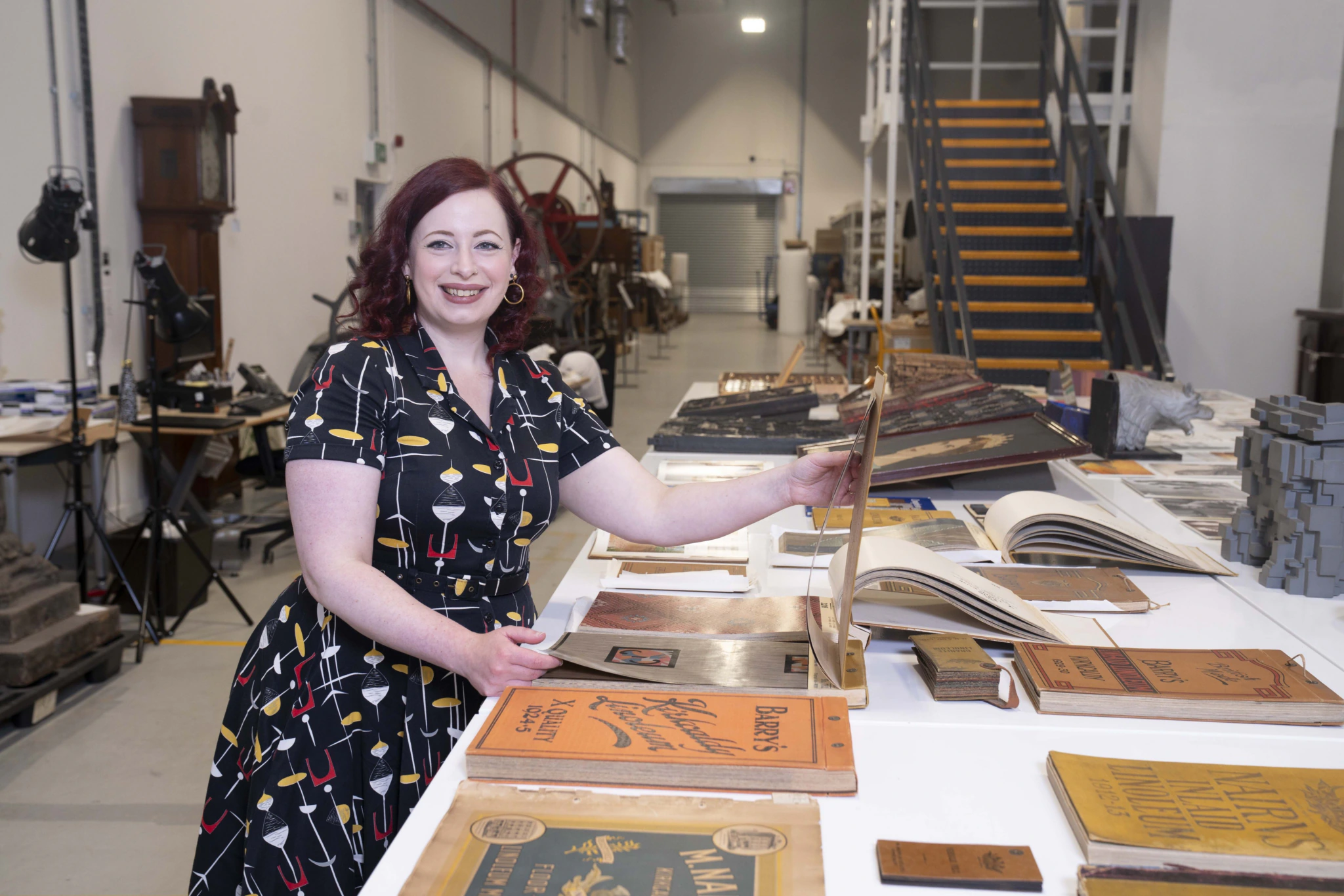
Comprising more than 6,000 objects, photographs and archives, the collection celebrates the history of Kirkcaldy as the world leader in the production of linoleum. Items date from the start of the Kirkcaldy industry in the 1840s up to the present day.
Advertisement
It includes rare items such floorcloth banners made by workers and carried in parades on holiday days, as well as a small piece of floor-covering from Paul McCartney’s council house in Liverpool.
The Photographic Collection managed by University of St Andrews
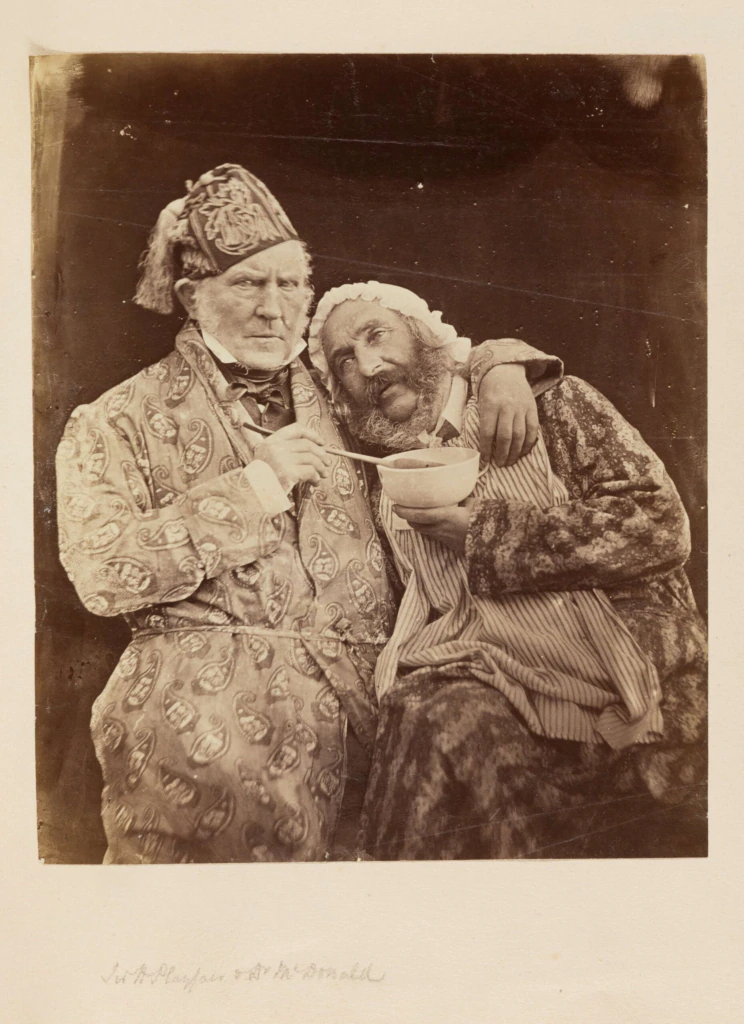
With about 1.6 million photographs in a wide variety of formats – including negatives on glass and film, lantern slides, prints, postcards, transparencies and born-digital images – the University of St Andrews is also thought to be the oldest photography collecting institution in the world.
The roots of this collection began with certain members of the St Andrews Literary and Philosophical Society, who worked with the English inventor of photography to develop and perfect the first photographic processes on paper in the late 1830s. These early experiments with salted paper now extend to the latest digital printing processes.
The collection is moving to a new home in the centre of St Andrews, where the entire collection can be more accessible to researchers and the wider public.
Advertisement
The Duncan of Jordanstone College of Art & Design Collection managed by University of Dundee Museums
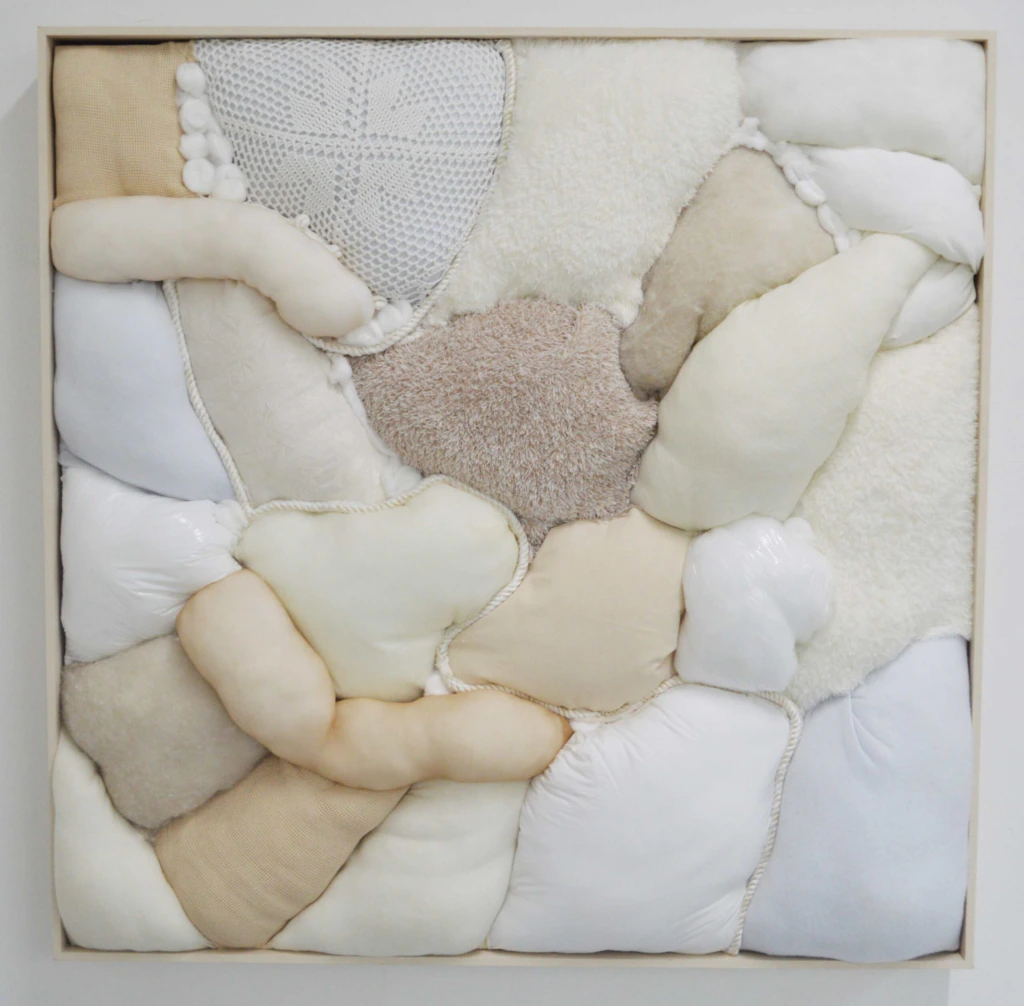
This growing collections showcases artworks by staff and students of Duncan of Jordanstone College of Art & Design – from paintings, drawings, prints and sculptures to textiles, video art and metalwork.
The college first opened in 1888 but expanded in 1909 when local benefactor James Duncan of Jordanstone bequeathed £60,000 towards the construction of a new art school. It eventually opened in 1955 and was renamed the Duncan of Jordanstone College of Art in 1962.
Regular collecting from graduating students began in 1955 under head of drawing and painting Alberto Morrocco, and the college has acquired works from fine art students every year since then.
The Oakbank Collection managed by Scottish Crannog Centre
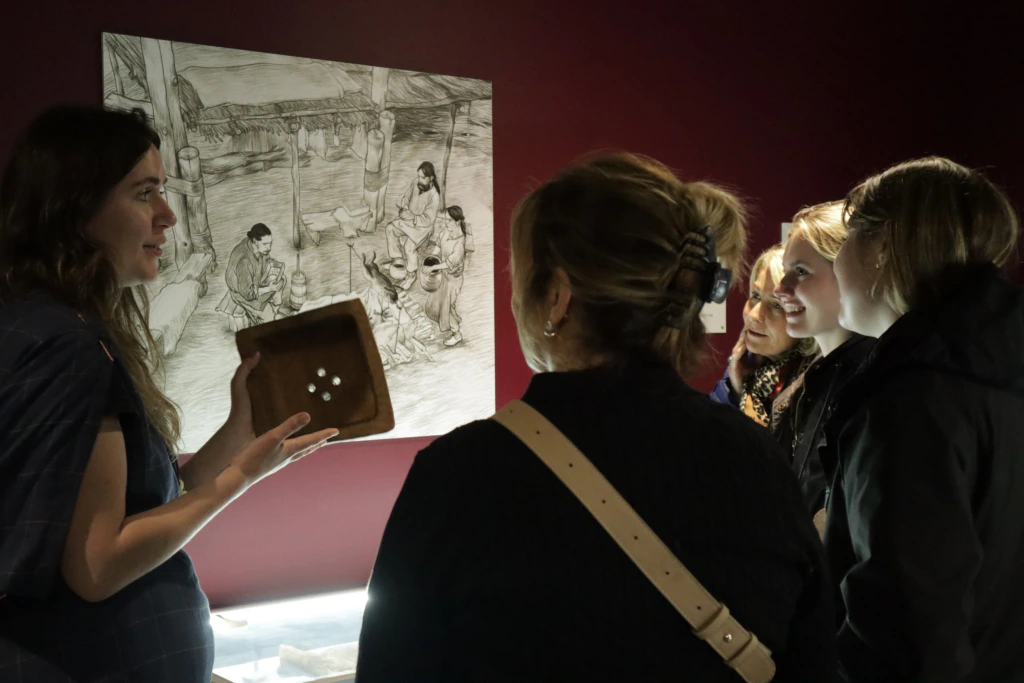
Found in 1979 when an Iron Age dwelling house was excavated on Loch Tay, the Oakbank Textile is a rare example of organic preserved textile from Iron Age Scotland.
Advertisement
The textile, which is in two large pieces with several smaller fragments, was originally thought too fragile to go on display but conservation work to clean and freeze dry the woven yarn means it is now on permanent display at the Scottish Crannog Centre in Kenmore, Perthshire. Archaeologists at the University of Glasgow have radiocarbon dated the fabric to between 480 - 390BC
The Art Collection managed by the University of Stirling
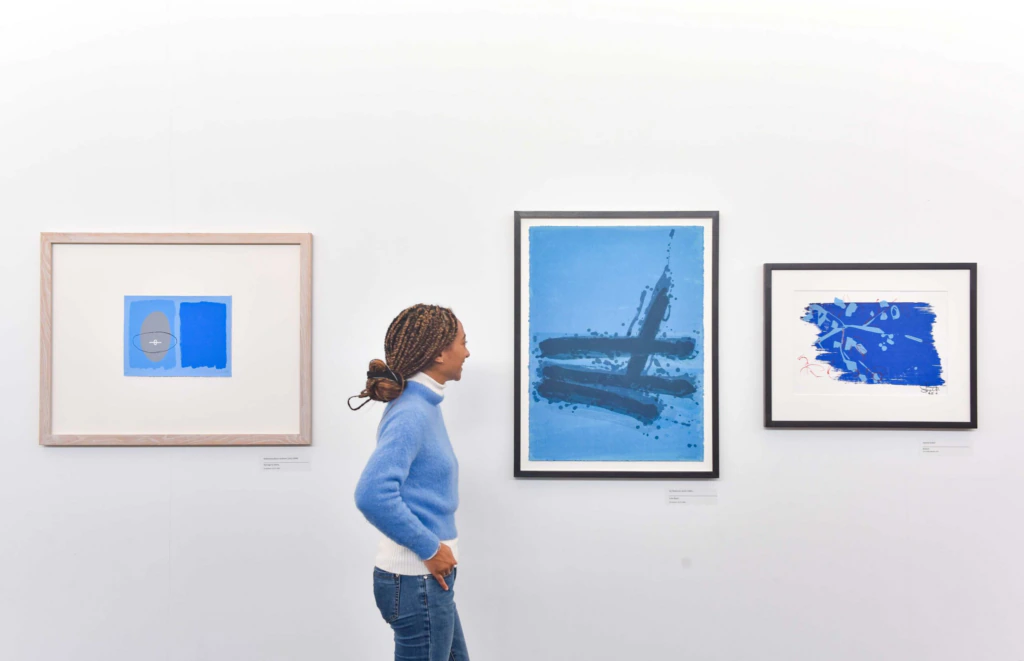
The University of Stirling's Art Collection is a collection of Scottish contemporary art and museum objects. The majority of artworks are in the Pathfoot Building with sculpture on display all around the campus.
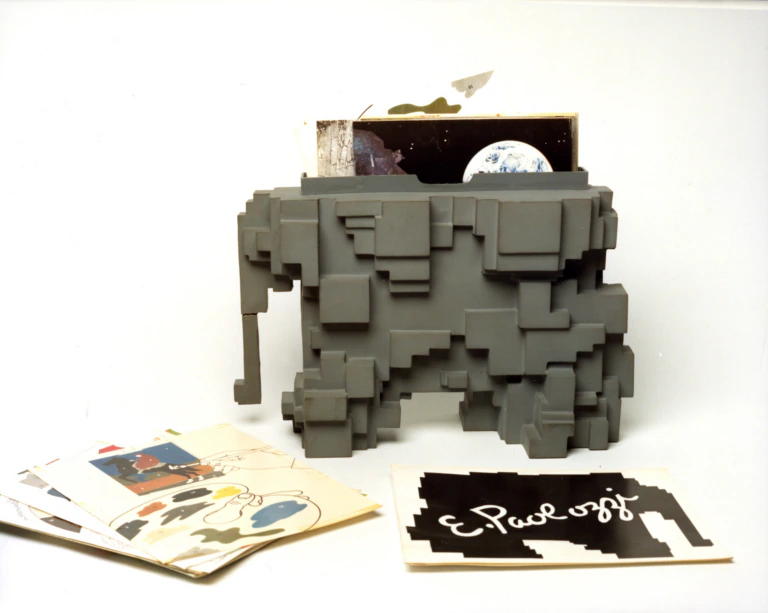
The collection was started by the university’s first principal, Tom Cottrell between 1967-1973, when the university collected works such as paintings by Patrick Heron, Robin Philipson, Michael Tyzack and Jon Schueler and sculptures by Eduardo Paolozzi and Justin Knowles.
The collection has consistently commissioned site-specific works, including Christine Borland’s Interior Dialogue (2023) commissioned as a response to the sculpture Figure (Archaean) by Barbara Hepworth.
Committee changes
The Recognition Committee recently admitted three new members: Eilidh Lawrence, head of museum and photographic collections at St Andrews University; Jane Rowlands, head of museums and collections at Glasgow Life; and Fiona Robertson, a postgraduate research student from Newcastle University.