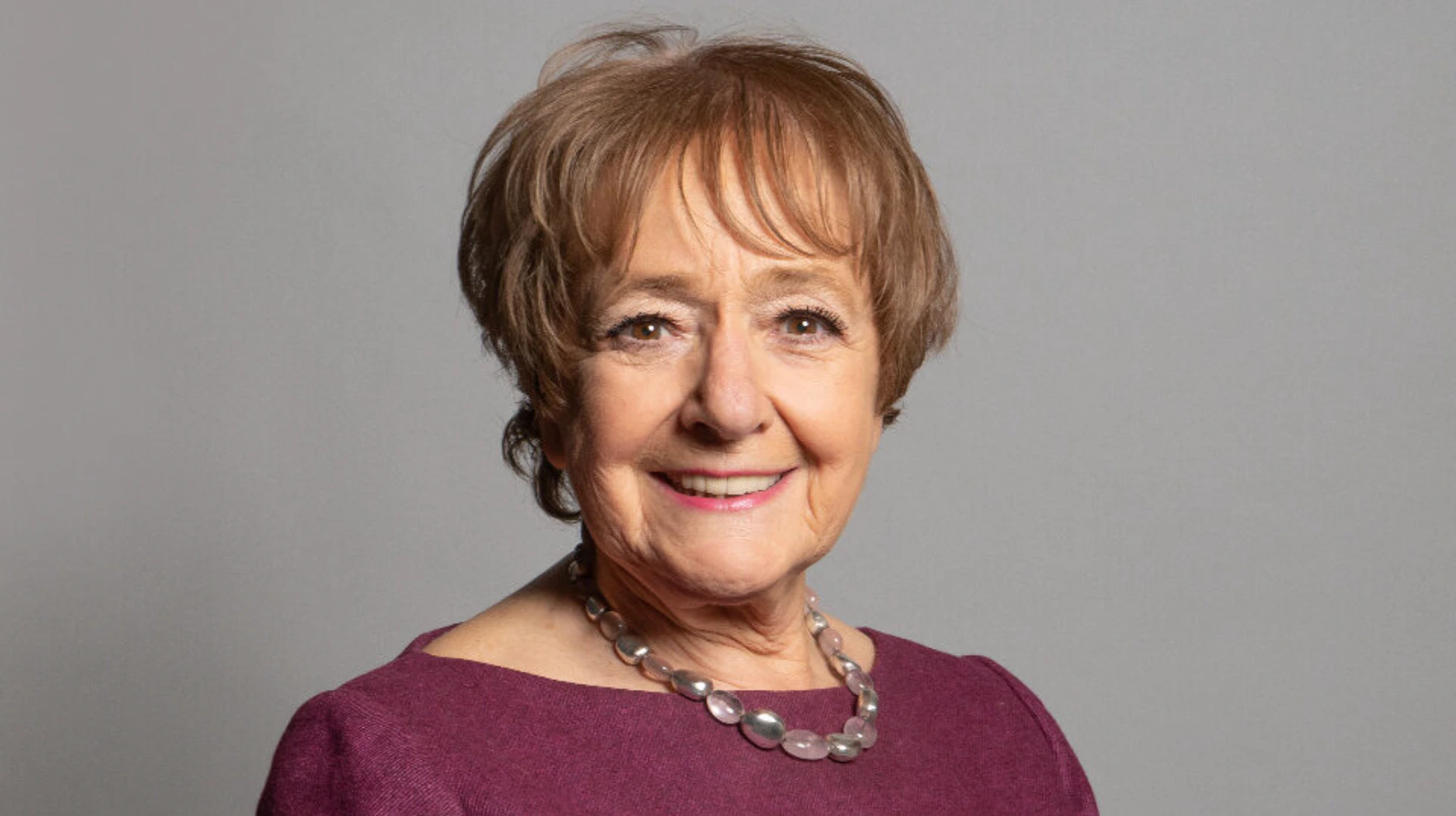
Labour peer Margaret Hodge has clarified her position on the proposal to charge overseas visitors for entry to national museums.
Appearing before the Communications and Digital Select Committee this week, Hodge expanded on recommendations from her independent review of Arts Council England, advocating a cautious approach to one of the review’s most-debated recommendations.
Hodge referenced international models of cultural charging, citing her personal experiences of paying for entry to heritage sites abroad, but said introducing tourist taxes or admission charges for overseas visitors would require clear policy-led direction to be effective.
She said the introduction of charges for international visitors to museums should be contingent on the introduction of a universal identification system.
“I would be totally opposed to us doing anything about charging for museums until we have that universal system,” she said, warning of the potential discrimination risks.
“Just think about it: a Black kid comes up and the person on the desk says, 'Are you a foreigner?' There's implications that you could have from that which would be completely against the spirit of everything that we want to achieve as a community in terms of cohesion... So we should not do it until we have universal ID cards,” she said.
Advertisement
Hodge added that the policy’s financial returns, which she described as “less than 10 million [GBP]”, would be insufficient to justify the administrative burden and potential inequities without a proper ID system in place.
“It's not worth doing it, and the hassle for it, and the unfairness, if you don't have a clear way of identifying who's who... I only put it in as yet another idea, which just would add a little bit more to the measly pot of money that we've got spending on the arts.”
A new strategy
Hodge also told the committee that the reform of the National Portfolio Organisation (NPO) process should be the arts council's first priority. Her review advised scrapping the arts council's current strategy, Let's Create, in favour of a less prescriptive and bureaucratic framework.
“[NPO reform] would be the first thing that I would grasp, particularly because we're embarking on a new round, and I hope that some of some of my recommendations into that reform can be adopted quickly,” Hodge told the committee.
“We have to move on from Let's Create, which has achieved a lot, but we've got to now simplify the route to accessing the funding that the arts council give.”
Advertisement
Hodge told the committee: “We should focus much more on the excellence, and I think an argument I put into the report, which I passionately believe in, [is that] I want everybody just to enjoy that excellence, but it's excellence and access to excellence, not just access on its own.
“It's bringing those two together, which must be the principles that underpin the funding approach by the arts council.”
She said NPOs should propose their own KPIs, which they could then negotiate with Arts Council England.
She advocated a longer funding cycle to reduce the bureaucratic workload, along with a staggered application process and an Ofsted-type approach whereby some NPOs would have 80% of their funding guaranteed and periodically compete for the remaining 20%.
Hodge also said the arts council should take a stronger stance against cancelling in the arts and culture sector, which she said has been “a real turn off to corporations for putting their money into the arts”.
“This is a really, really difficult issue,” said Hodge. “What I do think is the arts council, if it got back to its development agency role, because it's supposed to be the organisation that thinks about the future and tackles the difficult issues, I think [it] ought to develop a protocol, because the cancelling has got too much and too wide and it's scary.”
Advertisement
While some cancellations are focused on sponsorship money, “some of it is cancelling for political reasons, cancelling artists and cancelling performances and things, and that's not right”, said Hodge. “We ought to not be pretending it's an easy task to undertake, but I think it's a job that the arts council should do.”
Barriers to access
Hodge also drew attention to practical barriers currently preventing access to museums, particularly for young people. Pointing to transport costs as a key obstacle for schools, she said: “Kids aren’t going to museums because the schools can’t afford the buses.”
She underlined ongoing concerns within the sector about declining participation from young people in disadvantaged areas.
As a potential solution, Hodge suggested bringing together funding from the Department for Education, Arts Council England, and the Department for Digital, Culture, Media & Sport to create a “massive fund”.
Hodge contrasted UK spending on culture with international examples, noting that the UK’s public sector funding has “absolutely declined”, while other European countries like Germany and France have increased their funding.
She said her recommendations to government, including differentiated tax relief and encouraging philanthropy “outside London”, were necessary responses to the “tiny” share of public expenditure currently allocated to culture.