Manchester Museum has been awarded £200,000 to redevelop its Vivarium in the latest round of funding from the Department for Culture, Media and Sport (DCMS)/Wolfson Museums and Galleries Improvement Fund.
Announced this week, the latest round of the fund will share £4m in capital funding between 24 museums in England. The programme supports projects that enhance accessibility, upgrade displays, and improve the care of collections.
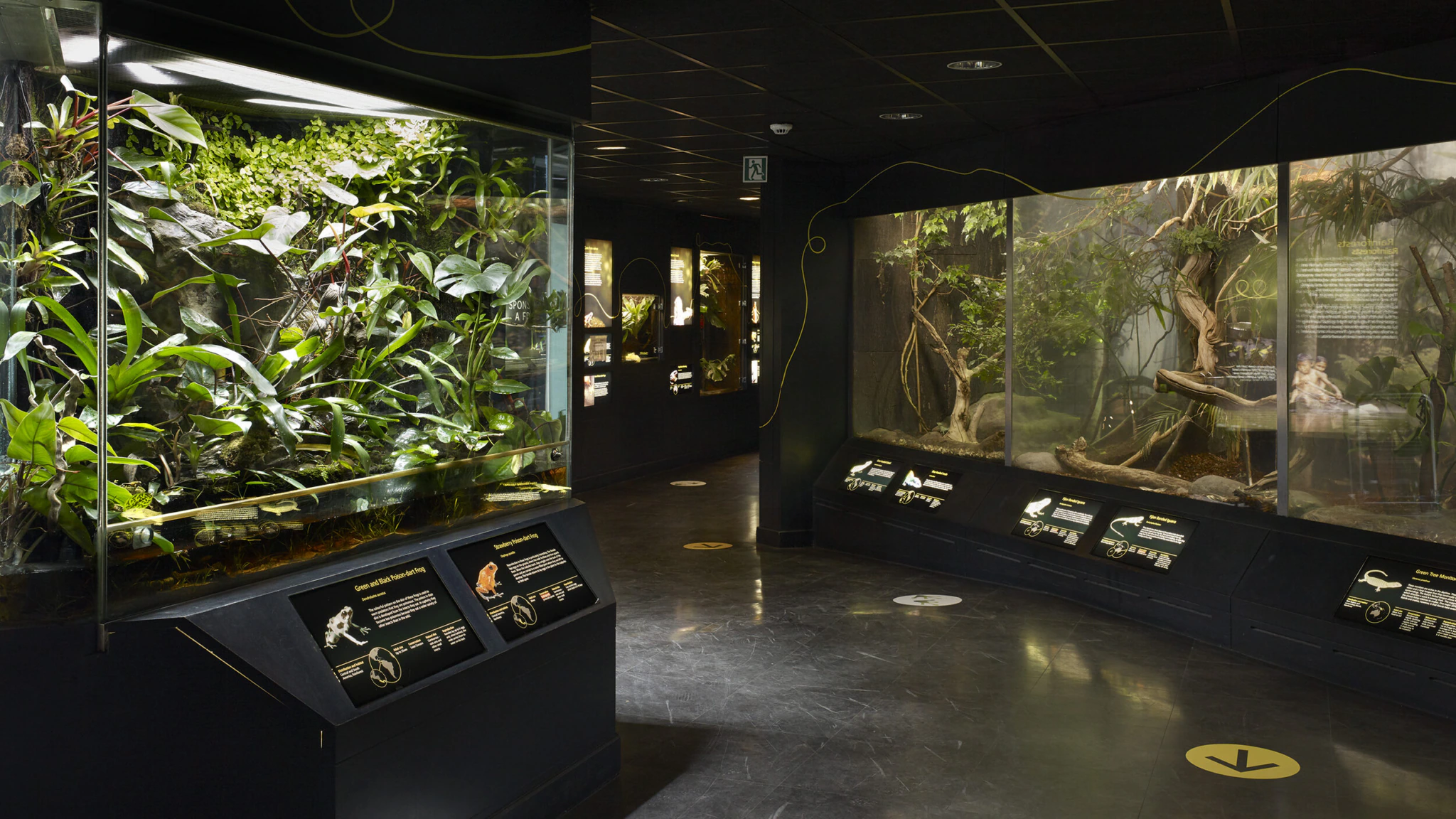
The Vivarium at Manchester Museum, which has operated for more than 60 years, houses 30 amphibian and reptile species and supports internationally significant conservation work.
Its breeding programmes have established the world’s first captive ‘back-up’ population of the critically endangered variable harlequin toad (atelopus varius) making Manchester the only location outside Central America where the species can be found.
The redevelopment project, Habitats of Hope, is scheduled to begin in December 2026 for completion in April 2027, during which time the Vivarium will close. The plans include upgrades to public displays and the creation of bespoke naturalistic habitats designed to improve animal welfare and breeding.
Georgina Young, the head of collections and exhibitions at Manchester Museum, said: “Habitats of Hope speaks to how wonderful and how vulnerable the world’s rarest amphibians are.
Advertisement
“Major investment from the DCMS/Wolfson Museum and Galleries Improvement Fund means Manchester Museum can match the highest standards of animal care with a more accessible visitor experience, while weaving stories of research, conservation, partnership and action that stretch from thriving ponds in Manchester to hyper-biodiverse ecosystems in Costa Rica and Panama.”
The DCMS/Wolfson fund has supported 440 projects in its 24-year history. Other recipients in this round of funding include the Black Country Living Museum, which has been awarded £272,000 to revive Dudley’s historic electric trolleybus network.
The project, Restoring the Electric Age: Reviving the Trolleybus Experience at Black Country Living Museum, will return three locally built trolleybuses to full working order and extend their route into the museum’s 1940s–60s High Street.
The Weald & Downland Living Museum in Singleton, Chichester, was awarded £227,000 to make its site more accessible to everyone. Currently, steep slopes, uneven paths, and historic terrain at the open-air museum make navigation difficult for wheelchair users and visitors with other access needs.
Meanwhile Norwich Castle will receive £228,900 for its archaeological project, The Land of Boudica, and a grant of £183,000 has gone to Birmingham Museum & Art Gallery to make essential physical improvements in two galleries in order to increase access to the city’s global majority and contemporary arts collections.
Full list of recipients:
North West
- Platt Hall (Manchester City Galleries) – £38,700
- Manchester Museum – £200,000
North East
- Segedunum Roman Fort – £213,100
- Seven Stories, National Centre for Children’s Books – £316,200
- Museum of Hartlepool – £218,400
- Kirkleatham Museum – £272,000
South East
- Reading Museum – £80,000
- Weald and Downland Living Museum – £227,000
- Booth Museum of Natural History – £139,900
- Pitt Rivers Museum – £55,000
South West
- SS Great Britain – £46,300
- Museum of Barnstaple and North Devon – £103,000
- Bristol Museum and Art Gallery – £317,100
- The Burton at Bideford – £86,500
West Midlands
- Barber Institute of Fine Arts – £150,000
- British Motor Museum – £147,700
- Birmingham Museum and Art Gallery – £183,100
- Black Country Living Museum – £272,000
East Midlands
- National Tramway Museum – £210,600
East of England
- Food Museum – £357,600
- Norwich Castle – £228,900
London
- Garden Museum – £75,000
Yorkshire and the Humber
- Thackray Museum of Medicine – £39,900
- The Hepworth Wakefield – £22,000