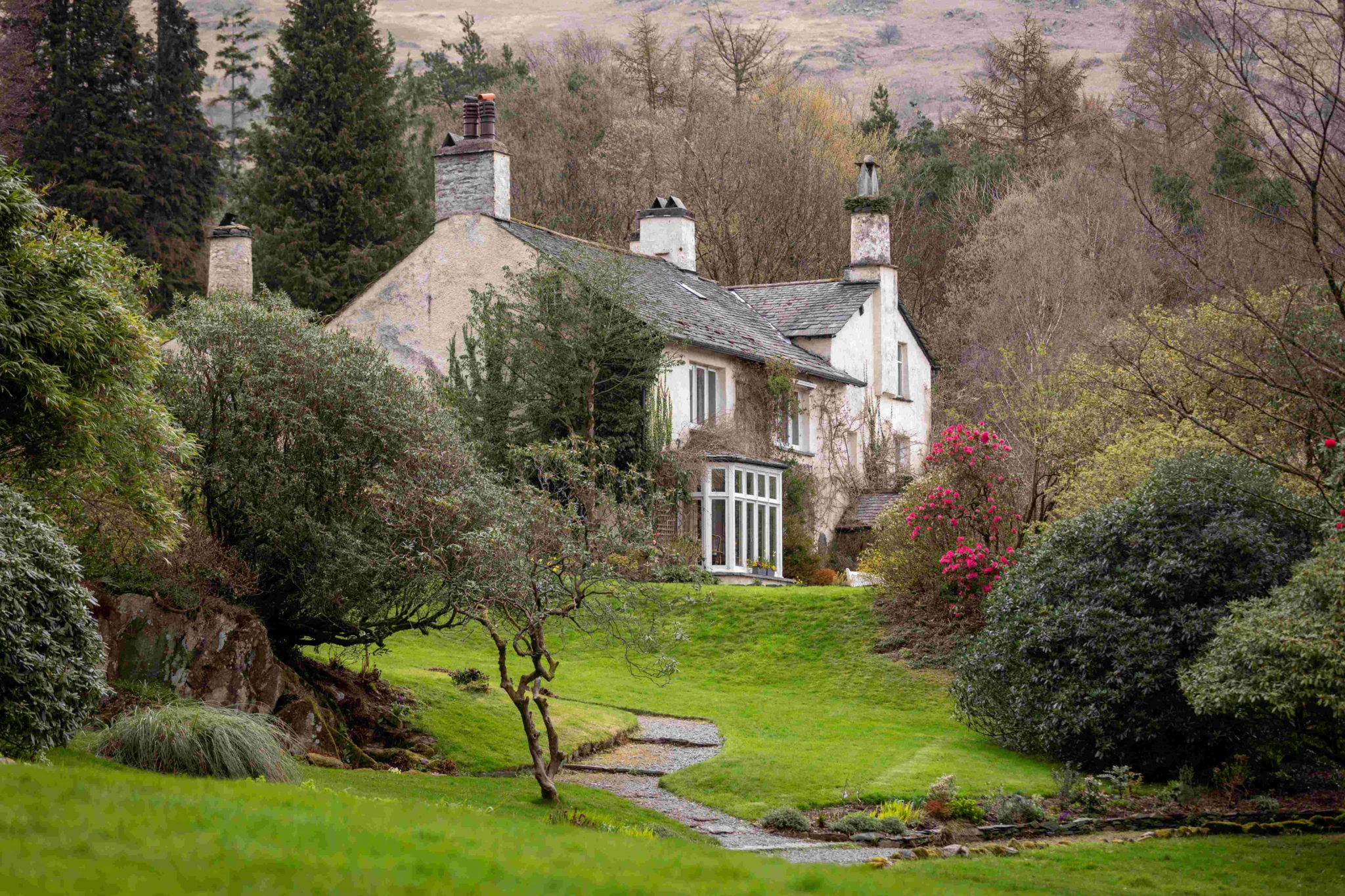
The Wordsworth Trust has acquired the final home of the English Romantic poet William Wordsworth.
Rydal Mount had been run by descendants of the poet since 1969, but after a long period of falling visitor numbers and rising costs, the property was recently placed on the market for £2.5m.
The Wordsworth Trust has worked in partnership with the Julia Rausing Trust and the Charlotte Aitken Trust to secure the future of the historic Lake District house.
The purchase was also made possible with help from Arts Council England, the National Lottery Heritage Fund, the Garfield Weston Foundation, Westmorland and Furness Council, and Lancaster University.
The trust already looks after an internationally significant archive of Wordsworth’s work and runs the visitor attraction Wordsworth Grasmere, centred around the poet’s home, Dove Cottage, which he bought aged 29.
The cottage is less than 10-minutes’ drive from Rydal Mount, giving the trust an opportunity to expand its offer.
Advertisement
Wordsworth (1770-1850) lived at Rydal Mount from 1813 to the end of his life with his family and diarist sister Dorothy.
The next phase of the project is to explore sustainable options for Rydal Mount’s future operation. As a larger house with extensive grounds, Rydal Mount offers a different perspective to Dove Cottage and presents opportunities to further explore the poet’s – and his sister Dorothy’s – deep connection to nature and the environment.
The house and grounds will remain closed to the public in the immediate future while essential maintenance work is carried out.
Wordsworth Trust director Michael McGregor said: “We are delighted that there is going to be continued public access to Rydal Mount. The news of its sale came as a cautionary tale of how precarious the Wordsworths’ heritage in the Lake District has become.
“Having worked closely with the owners of Rydal Mount for many years we were able to have early and open discussions with them regarding its future.
“However, the purchase would not have been possible without The Julia Rausing Trust and the Charlotte Aitken Trust, whose generosity has enabled us to save and protect this important Wordsworth property for future generations.
Advertisement
“Acquiring Rydal Mount gives us an opportunity to tell a much richer story about the lives and works of William and Dorothy Wordsworth.”
Wordsworth’s descendants Christopher Andrew and Simon Bennie said: “Since our grandmother bought Rydal Mount back into the Wordsworth family we have worked hard to keep the house open, allowing the public to enjoy its unique family atmosphere.
“We have been lucky and proud to be the guardians of the house and its remarkable contents over the last 57 years.
“Over the years we have had a very good relationship with the Wordsworth Trust and so it was with great relief that, at the beginning of the sale process, it became clear that Rydal Mount was likely to pass into their safe hands.
“Whilst we are sad to be leaving the Lake District we retain a host of happy memories. We would like to thank the multitudes of visitors who have passed through the house and also, particularly, all the staff who have worked with us over the last five decades to keep the house and garden such a special place.”
The UK’s poet laureate, Simon Armitage welcomed the news of the acquisition. He said: “Wordsworth pressed the reset button on poetry, and his work retains its power and relevance today.
Advertisement
“I’m delighted that the Wordsworth Trust, an institution I have close connections with, is acquiring the iconic home of one of my heroes and forefathers as poet laureate, and that Rydal Mount will continue to be a place of creativity and inspiration.”
The Wordsworth Trust was founded in 1891 after a public appeal to buy Dove Cottage for “those who love English poetry all over the world”.
It now looks after many of Dove Cottage’s neighbouring historic buildings as well as an archive, library and fine art collection dedicated to Wordsworth.
One of the poet's most famous works, I Wandered Lonely as a Cloud, was inspired by a walking tour he took with his sister around Glencoyne Bay in the Lake District in 1802.