The City of London Corporation has approved the planning application for the Barbican Renewal Programme and committed £191m towards the £231m needed to complete Phase 1 of the programme.
Major onsite works begin in 2027, then between June 2028-29, the Barbican Centre will pause the majority of its activities to allow the most intensive period of works to take place.
The approved scheme focuses on access, sustainability and more dynamic use of space for arts and bringing people together, without adding any additional square metres to the Barbican site.
Additional philanthropic and partnership support will be sought to ensure the full artistic and civic ambition of the programme can be realised.
The approved scheme has been designed with access and inclusion at its core and will deliver the most significant accessibility improvements in the Barbican’s history.
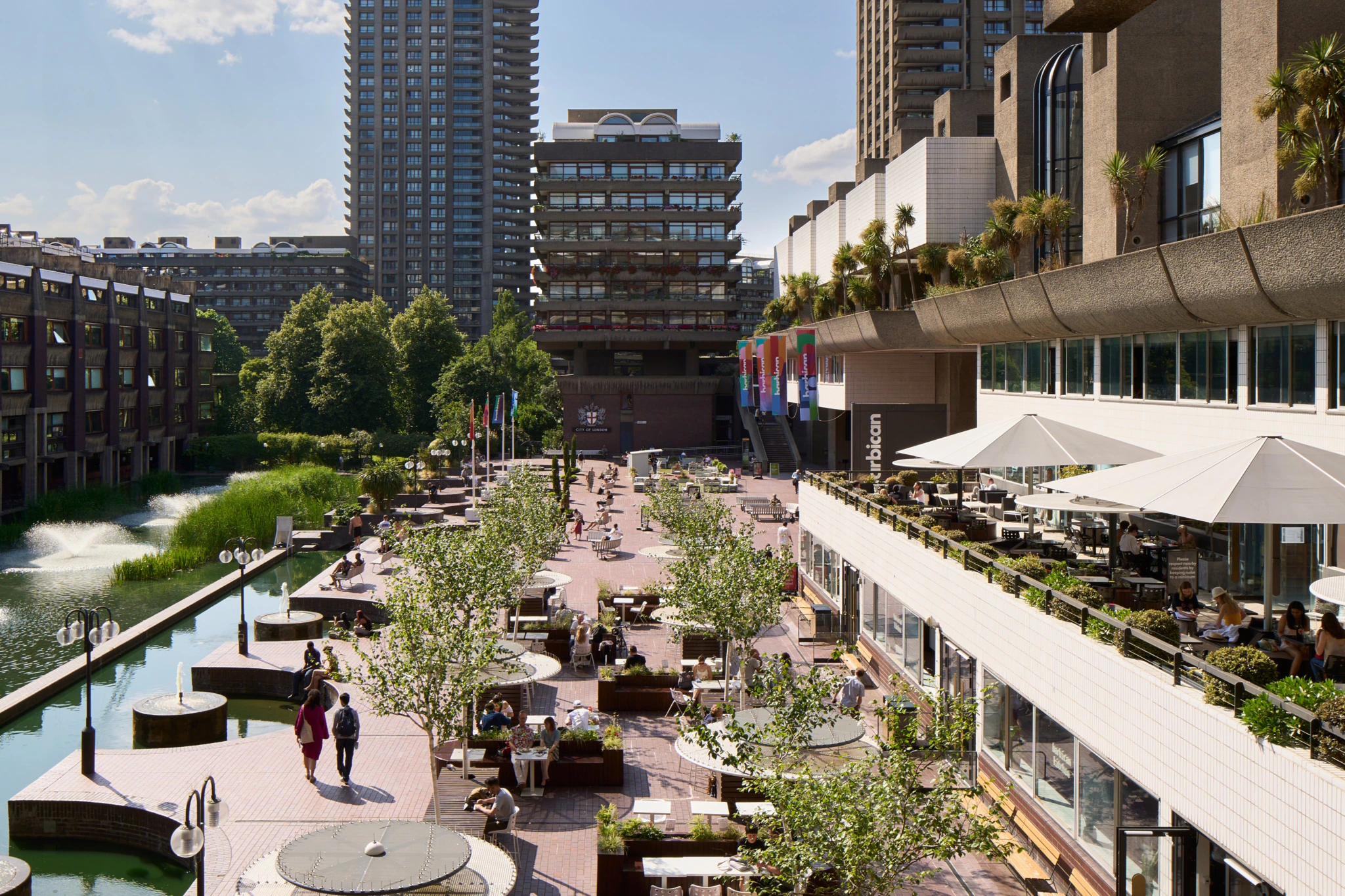
The venue’s Brutalist foyers and lakeside terrace will be developed with a sustainable, retrofit approach that will protect the heritage of the Grade II-listed building while significantly reducing long-term environmental impact.
Advertisement
A new multi-faith room, increased bathroom provision and improved wayfinding, as well as step free access, aim to make the centre more inclusive for visitors.
A second lift in the main foyer will enhance accessibility to the Concert Hall, Theatre and surrounding spaces.
The renewal of the Barbican’s Conservatory will address longstanding maintenance and accessibility challenges while introducing a climate-controlled habitat that ensures plant health and longevity.
Materials such as glass and pavers will be reused, reflecting the project's commitment to sustainable conservation. A new lift and stairway will offer public access to the Conservatory’s raised balconies, opening up new views across the space.
Work across all areas will enable greater flexibility to programme within the Barbican’s public spaces, expanding creative opportunities and attracting new audiences.
Via the Renewal Programme, the Barbican says it aims to bring people together through creative programming, learning, and community engagement, reaffirming the organisation’s role as a platform for artists, educators, and the public to debate, collaborate and drive social change.
Advertisement
One of Europe’s largest multi-arts centres, the Barbican was opened in 1982. The renewal programme represents an opportunity to secure the site’s architectural, artistic and civic future as its 50th birthday approaches.
The design team delivering the programme are led by Allies & Morrison working with Asif Khan Studio and engineers Buro Happold.
Historic England and the Twentieth Century Society are among the national heritage bodies that back the scheme and have been part of the centre’s Renewal consultation period.
The Barbican Renewal Programme is one component of Destination City, the City Corporation’s growth strategy for the Square Mile, which also comprises the Salisbury Square Development to house the new City of London Police HQ and multi-courts complex, the creation of a cultural and creative destination at the site of Smithfield Market, and the new London Museum at West Smithfield.
City of London Corporation policy chairman, Chris Hayward, said: “This decision marks a major step forward for the Barbican Centre and its place on the world stage.
“By backing it with significant investment, we’re driving jobs, boosting the City’s economy, and strengthening its reputation as a magnet for visitors, talent, and audiences from across the globe. Just as importantly, we’re transforming the centre so it’s open, accessible and ready for the future.”
Barbican Centre’s chief operating officer, Philippa Simpson, said: “We're thrilled that Phase 1 of Barbican Renewal has been approved. Securing planning permission and listed building consent allows us to restore, celebrate and revitalise the Barbican Centre, so we can continue to deliver a dynamic, world class arts programme and provide the best possible welcome to new and existing visitors.
“This programme invests in the whole life of the centre: it will improve access, release spaces for public use, and support ambitious artistic work at every scale. This decision secures this visionary place of art and encounter for future generations and will help us expand our reach nationally, and internationally.”