Henry Moore Studios & Gardens in Hertfordshire reopens on 1 April with new exhibition spaces and visitor facilities.
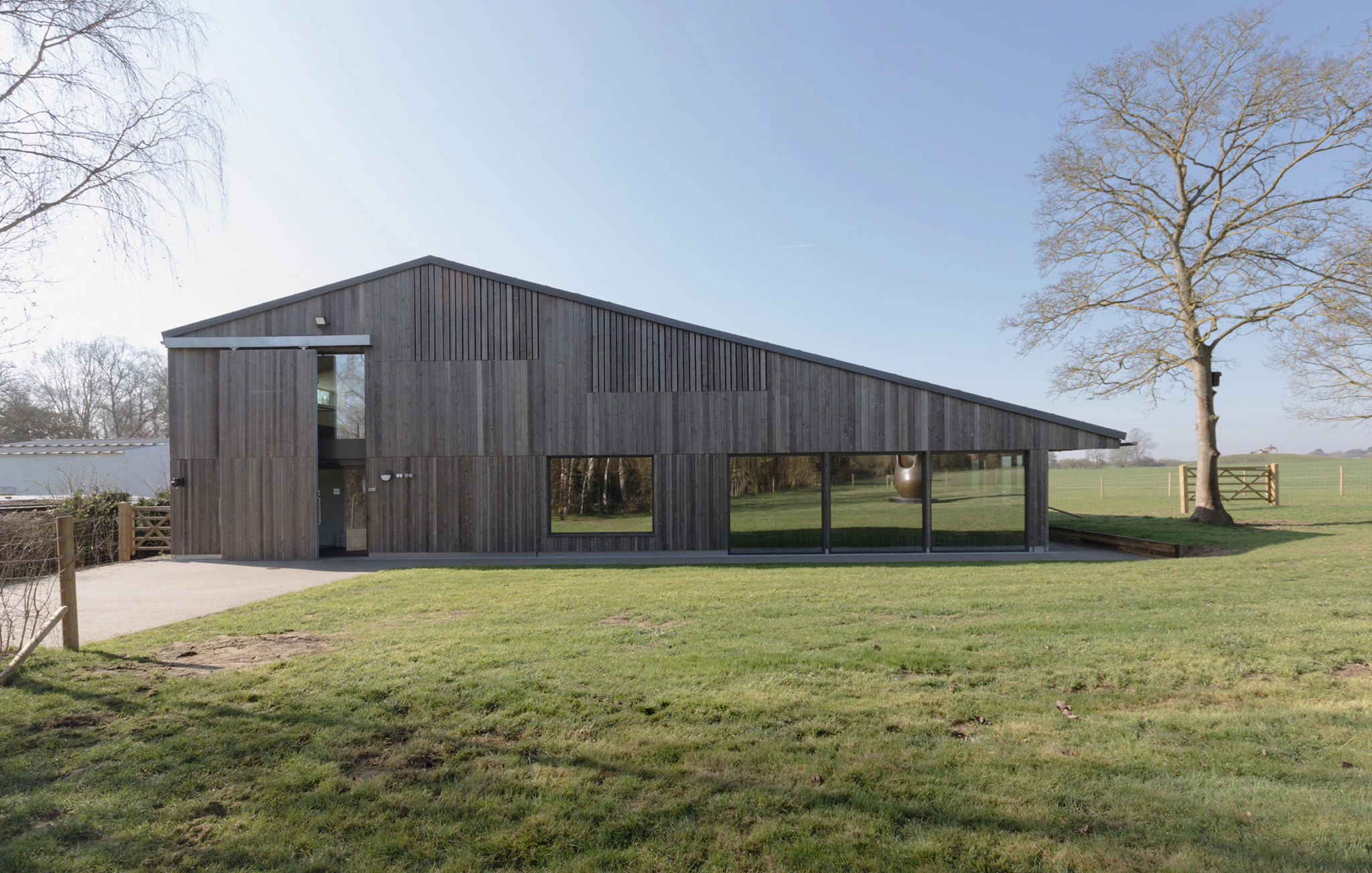
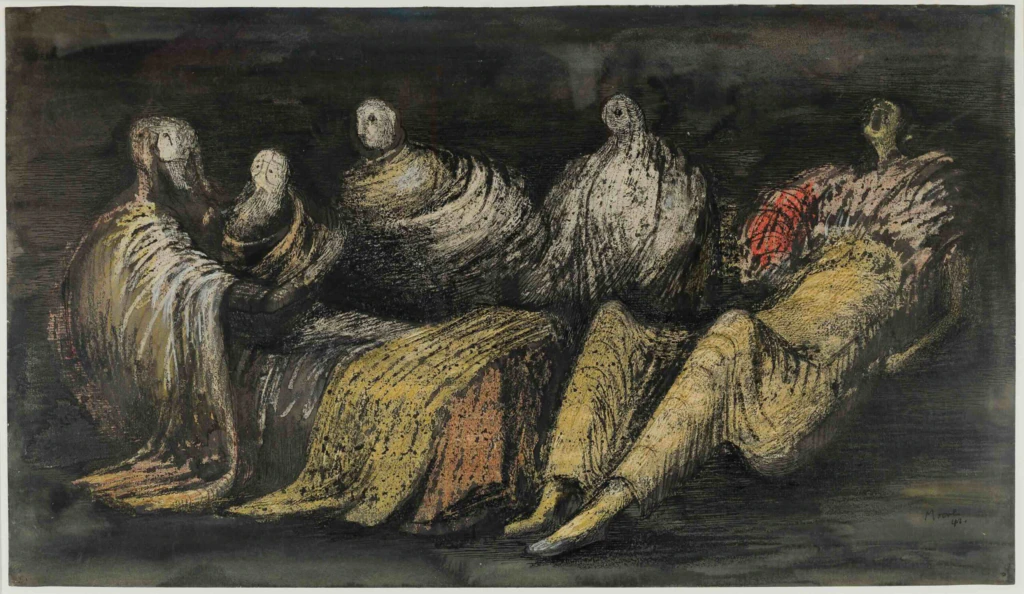
The site’s Sheep Field Barn at Perry Green, near Much Hadham, has been redeveloped and expanded by the Henry Moore Foundation to include a new gallery that tells the story of the British sculptor’s life. There is also a temporary exhibition space that opens with a display of Moore’s Shelter Drawings, depicting Londoners in the underground in the Blitz during world war two.
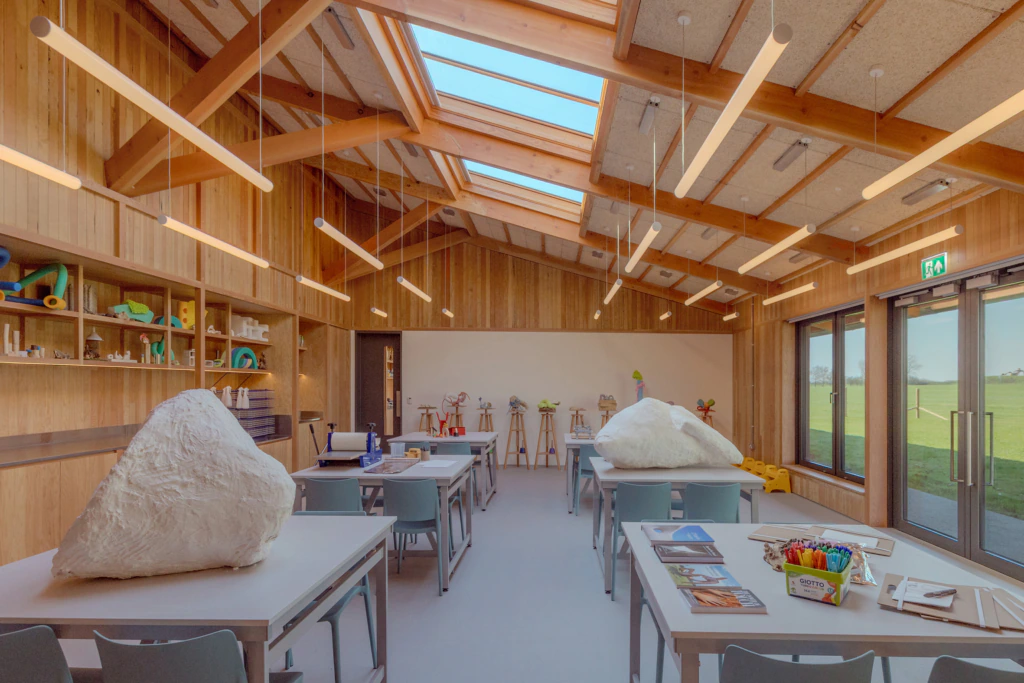
The Sheep Field Barn includes two purpose-built studio spaces, which replace a single classroom-style area. These studios will offer a range of drop-in activities, creative events, talks and tours.
Henry Moore Studios & Gardens was Moore’s former home and workplace from 1940 until his death in 1986. The Henry Moore Foundation was founded by the artist and his family in 1977 to encourage public appreciation of the visual arts.
Henry Moore Foundation director Godfrey Worsdale said one of the aims of the project was to improve the organisation’s learning and engagement offer at Perry Green, with art education a key part of the foundation’s charitable purpose. As well as the site in Hertfordshire, the foundation has the Henry Moore Institute in Leeds.
“We are now working with young people in both of our venues and we've enhanced our team to have specialist learning staff to help develop their ideas,” said Worsdale. “If we want artists in the future, if we want art historians, curators and museum professionals, we need to let kids know, before they've made those critical life choices, about what direction they may go in – that this is an option. And if it isn't a career option, it's certainly a life-enhancing option.”
Worsdale also said that the redevelopment would help visitors understand Moore better.
Advertisement
“If you arrived here as a visitor a year or two ago, you saw this estate and these amazing sculptures, almost all of which, if not all, were made after Moore came here. But the story before he got here is critically important to what happened after. It's an amazing story and we felt we had the archives, the collections and the resources to tell this story.”
This permanent exhibition covers Moore’s life and career from 1922 to 1984. It features sculptures from the Henry Moore Foundation Collection, including wood and stone carvings, bronzes and plasters. The displays also include archive materials such as photographs, correspondence, diaries, videos and studio materials.
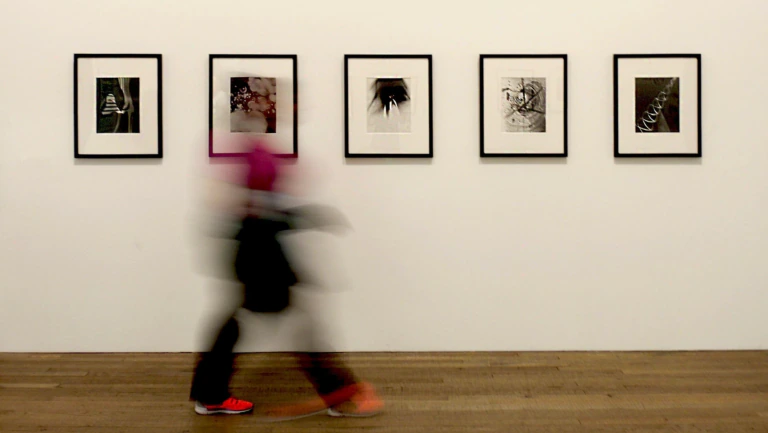
Moore’s Shelter Drawings, which were commissioned by the War Artists Advisory Committee, were among the first works he made after he moved to Perry Green from the capital. This is the first exhibition devoted entirely to this series of works since 1998 (Henry Moore: Shelter Drawings and Sculpture, Imperial War Museum, London).
The redevelopment of the Sheep Field Barn was carried out by architecture and urban design practice DSDHA. The building was originally a steel-frame farm building used for storage by Moore and later adapted by Hawkins\Brown in 1999.
The Sheep Field Barn is set within 70 acres of surrounding grounds. The site is also home to a large selection of Moore’s sculptures, which are situated in the landscape in which they were created. Visitors can also seen a number of Moore’s studios, his family home Hoglands and the Henry Moore Archive, one of the largest single-artist archives in the world.
The Henry Moore Foundation has lent a number of works to Kew Gardens in London for an exhibition that opens in 9 May. Monumental Nature will be the largest and most comprehensive showcase of Moore’s work to date, featuring 30 works across Kew’s landscape and inside the Temperate House, the largest surviving Victorian glasshouse in the world.