A group of cultural heritage professionals has called for “urgent monitoring, documentation and safeguarding” of Iran’s museums and heritage sites by international bodies in light of the escalating conflict and restricted communication in the country.
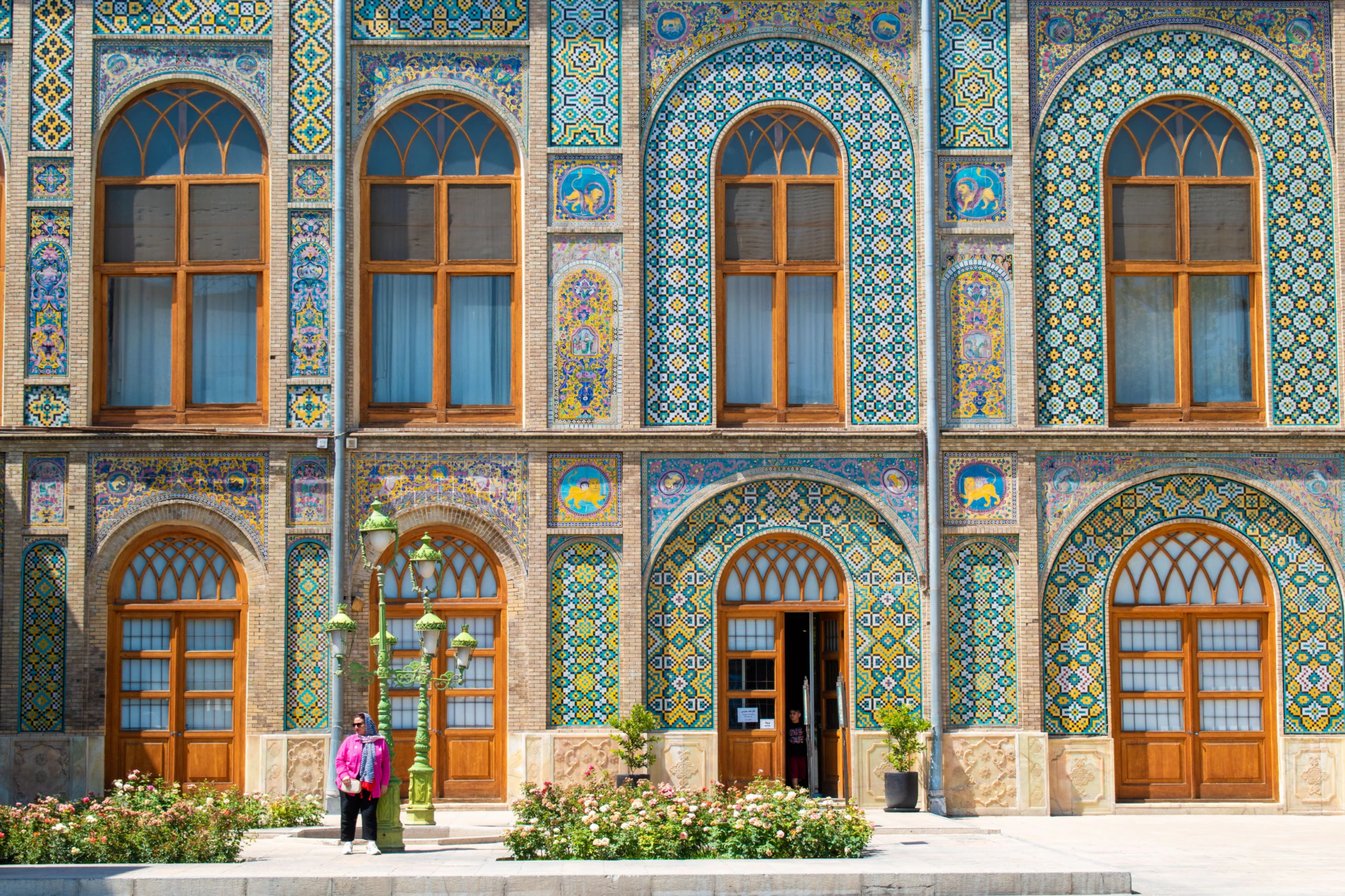
In a joint statement on LinkedIn, the group said “recent incidents affecting historic urban environments—including the destruction of sections of Rasht Grand Bazaar, structural concerns surrounding Tehran Grand Bazaar, and damage reported to the Unesco world heritage site of Golestan Palace—highlight the vulnerability of cultural heritage sites under current conditions”.
The statement added: “Due to internet disruptions and security conditions affecting communication inside Iran, independent documentation from within the country has become extremely limited.
“In this context, international heritage institutions play a critical role in facilitating monitoring, supporting professional documentation, and ensuring transparency regarding risks to cultural heritage sites and collections.”
The statement is directly addressed to international heritage bodies including Unesco, the 1954 Hague Convention Secretariat, the board of the International Council on Monuments and Sites (Icomos), the International Council of Museums’ (Icom) Disaster Risk Management Committee, the secretariat of Docomomo International (an organisation dedicated to preserving Modernist architecture worldwide), and the international heritage community.
The statement highlights how independent researchers, journalists and heritage professionals have previously documented “repeated incidents affecting historic urban environments, cultural landscapes, museums, and heritage structures in Iran, including structural endangerment, destruction, and restrictions on documentation”.
Advertisement
The group said the repression of political protests in Iran at the beginning of the year, in which tens of thousands of protestors are believed to have been killed by the country’s security forces, had led to “several incidents affecting historic urban infrastructure and heritage sites”.
These include the fire at the historic Rasht Grand Bazaar, which the group said had caused a tragic loss of life and destroyed large sections of the bazaar, as well as safety concerns related to underground construction in and around Tehran Grand Bazaar.
“These events unfolded in an environment where communication restrictions severely limited independent actors' ability to document events and constrained heritage professionals in Iran from reporting incidents or communicating with international institutions,” said the statement.
The escalation of armed conflict following the US-Israeli attack on Iran on 28 February has “further intensified these risks”, said the group, citing the damage to Golestan Palace caused by debris and shockwaves from a missile strike.
“This development underscores the vulnerability of cultural heritage during periods of armed conflict and institutional disruption,” the statement said.
The internet shutdown imposed on the country during the conflict has “severely limited communication between heritage professionals inside Iran and international institutions”, the group warned.
Advertisement
“The shutdown has also obstructed independent documentation of heritage damage and restricted the ability of civil society and diaspora-based monitoring initiatives — including the Forensic Archive of Iran — to receive citizen reports and technical information from within the country.
“In situations where communication channels are restricted and independent documentation is suppressed, the absence of transparent international monitoring mechanisms creates conditions in which both cultural heritage and civilian life may be placed at risk.”
The statement highlights international legal frameworks, notably the 1954 Hague Convention for the Protection of Cultural Property in the Event of Armed Conflict and the 1972 World Heritage Convention, which mandate the protection of cultural property and the monitoring of heritage during periods of conflict.
“In light of these mandates and the current circumstances, we respectfully urge Unesco, Icomos, Docomomo, and Icom to mobilise their monitoring and advisory capacities to support independent heritage assessment and documentation in Iran,” said the group.
“Such action may include the activation of established monitoring procedures, specialised technical risk assessments, and the facilitation of international professional oversight to safeguard vulnerable sites and collections.”
The statement also suggests that, in addition to remote monitoring, international heritage institutions could “facilitate professional exchange and information-sharing among independent heritage professionals, researchers, and civil society documentation initiatives” operating inside and outside Iran.
“By using their institutional networks and convening capacity, these organisations can help connect dispersed expertise, support the consolidation of available documentation, and promote informed public awareness regarding risks to heritage sites and collections in Iran,” the group said.
The statement is signed by Romina Frohar, founder of the Forensic Archive of Iran; Ali Nour, rapporteur for the Emergency Response Committee of the Sudan National Corporation for Antiquities and Museums and secretary of Sudan Blue Shield National Committee (currently under construction); Hasti Fariborz, a researcher in cultural heritage and conservation; Shabnam Balouch, an independent Persian heritage researcher and conservator; and Sierra Askia, a writer and analyst for Cultural Heritage Policy and Art Crime Open Source Intelligence.