Global museum and heritage organisations have expressed concern about the US/Israeli-led conflict in Iran, the Gulf region and the Eastern Mediterranean.
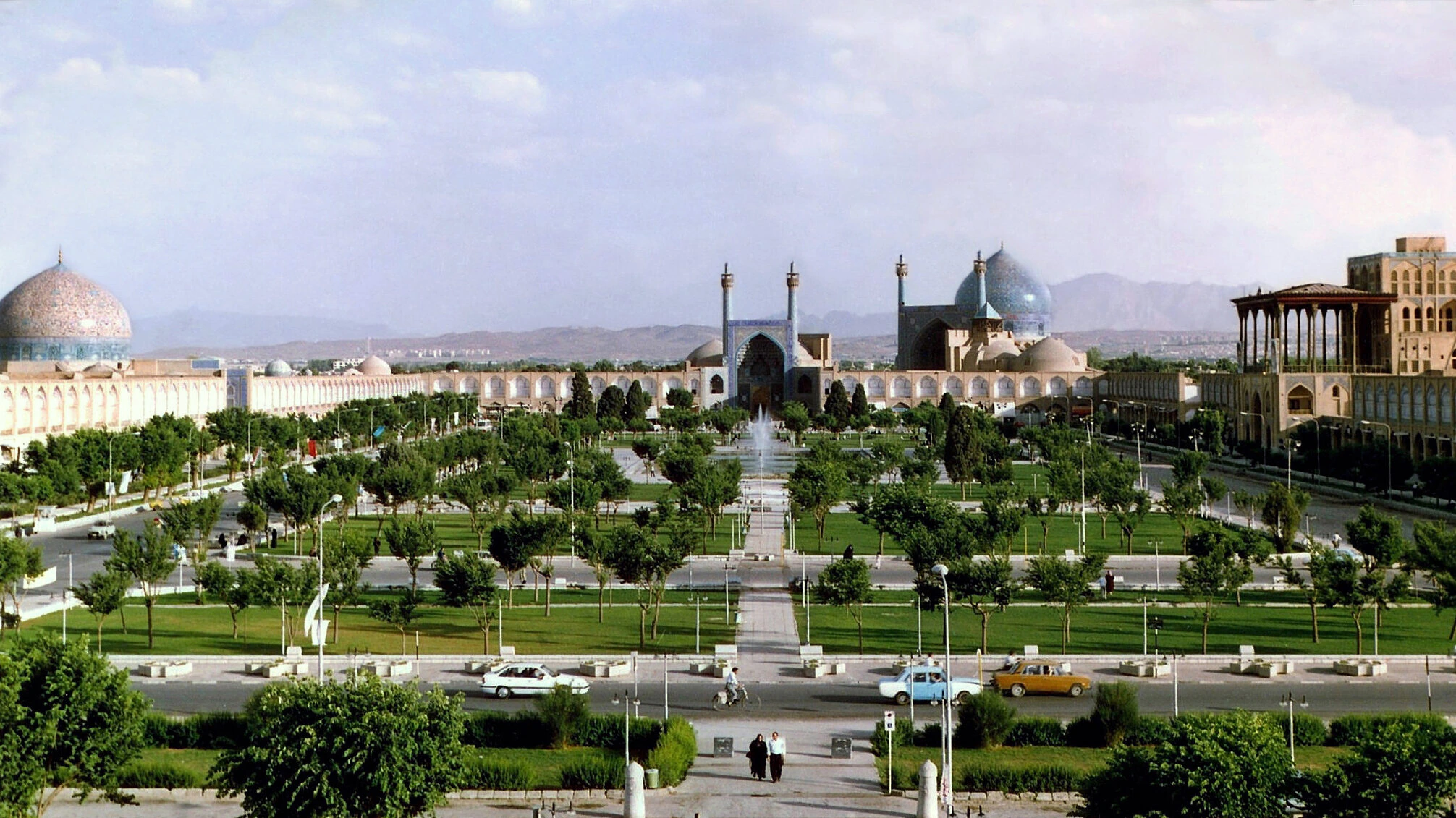
The war has already seen serious damage to historic landmarks in Iran. According to reports, an Israeli airstrike yesterday targeted the governor’s office in the city of Isfahan, a Unesco world heritage site. The strike damaged several heritage buildings, including the 17th-century Chehel Sotoon Palace.
Meanwhile bombing in Tehran on 2 March damaged Golestan Palace, a Unesco world heritage site that is one of Iran’s most visited attractions. According to Unesco, the site suffered damage from debris and the shock wave following an airstrike to the Arag Square, located in the buffer zone of the site in the Iranian capital.
The attack has reportedly been described by Iran as a serious violation of international law.
The US Committee of the Blue Shield, the international, non-governmental organisation dedicated to protecting heritage in conflict, disaster and crisis, said it was “disturbed” by comments made by the US secretary of defence, Pete Hegseth, that “America, regardless of what so-called international institutions say, is unleashing the most lethal and precise air power campaign in history... All on our terms with maximum authorities. No stupid rules of engagement.”
In a statement, the committee said: “The failure to observe international humanitarian law, including numerous international conventions to which the US is a State Party, as well as customary international law, can lead to the commission of war crimes.”
Advertisement
The committee added that it “further underscores the critical importance of advance coordination with cultural heritage professionals, deployment of cultural property protection lists, and engagement with relevant international bodies – including Unesco and The Blue Shield International (BSI) – to safeguard at-risk sites”.
The statement continued: “The destruction of cultural heritage is irreversible. It erases identity, history, and the shared memory of civilisations. No military or political objective justifies the willful or negligent destruction of humanity’s common inheritance. Such destruction is also one of the actions that can make returning to a state of peace more difficult.
“We urge the United States Government, the Israeli Defense Forces, and all parties involved to take immediate and concrete steps to identify, map, and protect cultural sites throughout the region, especially in Iran, in full compliance with international humanitarian law.”
Blue Shield protective systems have reportedly been installed in more than 120 museums and a number of historic buildings across Iran.
Unesco says it is closely monitoring the situation in Iran and across the region. A statement from the UN agency, updated on 10 March, said: “Unesco continues to closely monitor the situation of cultural heritage in the country and across the region, with a view to ensuring its protection.
“To that end, the organisation has communicated to all parties concerned the geographical coordinates of sites on the World Heritage List as well as those of national significance, to avoid any potential damage.
Advertisement
“Unesco recalls that cultural property is protected under international law, notably the 1954 Hague Convention for the Protection of Cultural Property in the Event of Armed Conflict, including its enhanced protection mechanism, as well as the 1972 Convention concerning the Protection of the World Cultural and Natural Heritage.”
The International Council on Monuments and Sites (Icomos) backed Unesco’s statement.
The non-governmental body said: “Icomos fully supports Unesco’s expression of concern regarding cultural heritage amid the escalating situation in the Middle East, and reiterates the urgent need to respect and uphold international conventions that safeguard this shared heritage.
“In this context, Icomos also stresses the importance of respecting international humanitarian law and ensuring the protection of civilians, including all those working to safeguard cultural heritage.”
Icomos said it had been contacting its national committees and colleagues across the affected countries “to check on their personal safety and to gather information to monitor developments and impacts on cultural heritage”.
The International Council of Museums (Icom) expressed “deep concern over the protection of museums and cultural heritage”.
Advertisement
In a statement, it said: “Icom expresses its serious concern over the recent conflict in Iran, the Gulf Region and the Eastern Mediterranean, its humanitarian impact, as well as the risks facing museums and cultural heritage sites. We are alarmed by reports of serious damage to cultural sites in the region, confirmed by intergovernmental organisations such as Unesco.
“Icom is closely monitoring the situation in coordination with its National Committees and partners in the region and internationally, in line with its core commitment to the protection of cultural heritage. We remain attentive to the safety and wellbeing of our members in the affected areas as well as all professionals working to safeguard cultural heritage. Icom underlines the need to respect international humanitarian law and to ensure the protection of civilians.
“Icom calls upon all parties to respect their obligations under the 1954 Hague Convention for the Protection of Cultural Property in the Event of Armed Conflict and its Protocols and reiterates its call to all parties to comply with their international legal obligations to safeguard cultural heritage.
“The destruction of heritage is not only a local tragedy; it is a loss for all humankind. We must come together, through dialogue, cooperation, and respect to preserve the cultural bridges that connect our shared past to a more peaceful future.”
The council has previously published a Statement for Peace and a Declaration on the protection of archives, libraries, museums and heritage places during armed conflicts and political instability.
Iran is home to Unesco World Heritage Sites, such as Persepolis, Pasargadae, and Isfahan, along with thousands of archaeological sites, historic structures, and religious centers of worship and learning spanning millennia.