A number of US museums took part in a solidarity strike last week in protest at the Trump administration’s immigration crackdown in Minneapolis, which has so far led to the fatal shooting of two people by Immigration and Customs Enforcement (ICE) agents.
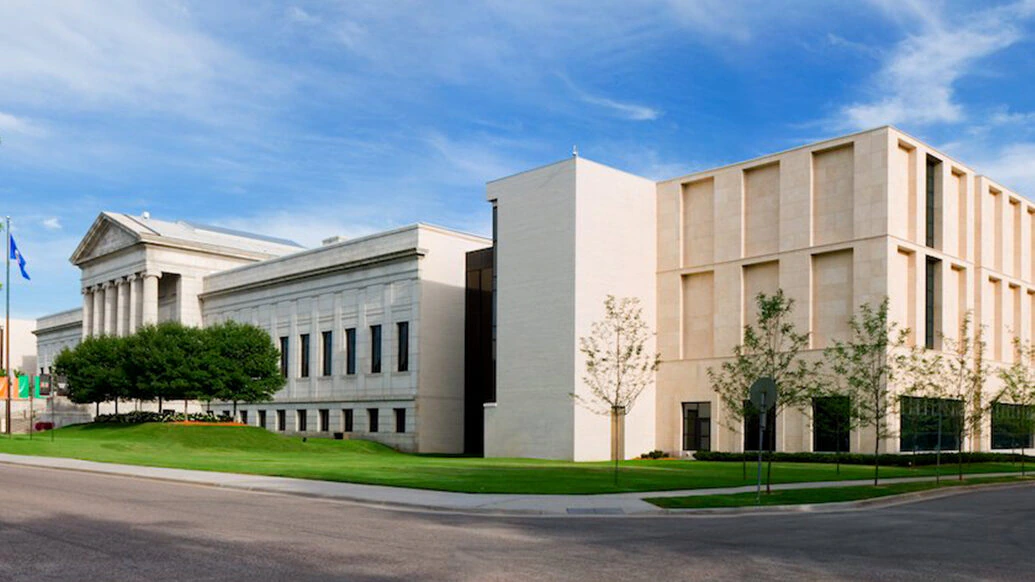
The Minneapolis Institute of Art and the Walker Art Center were among a number of cultural institutions in the “twin cities” of Minneapolis and St Paul to participate in the strike amid growing unrest over ICE's intensifying operation in the city.
The Minneapolis Institute of Art (MIA) confirmed it was “pausing operations to recognise the weight of this moment in our community”.
“We appreciate your understanding as we prioritise a culture of mutual respect and care for our employees and people in the Twin Cities community,” MIA added.
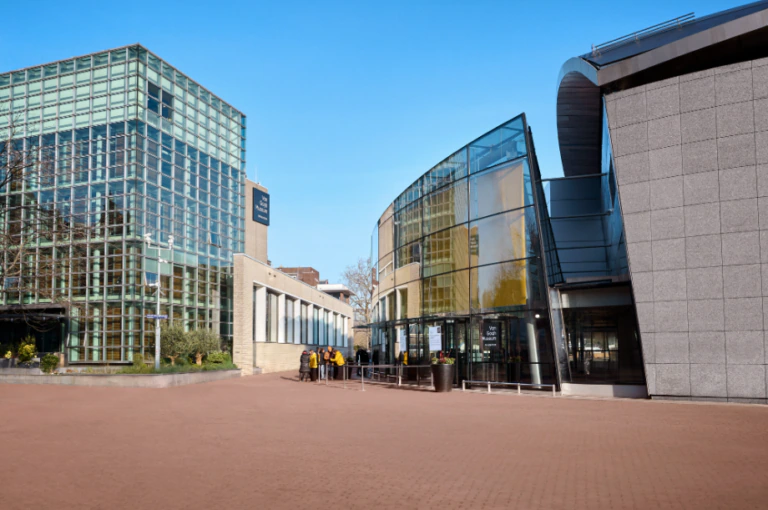
The University of Minnesota’s Weisman Art Museum and the Museum of Russian Art, along with the Minnesota Museum of American Art and Minnesota Children’s Museum in St Paul, also suspended operations on Friday 23 January, according to reports.
Some museums extended their closure through the weekend after news broke of the killing of 37-year-old nurse Alex Pretti by ICE agents on Saturday 24 January.
Advertisement
MIA confirmed that it had extended its closure due to “unfolding events in the local area”, saying “the safety of our visitors, staff and community is our primary concern”.
There are calls for a “nationwide day of no school, no work and no shopping” across the US on Friday 30 January to protest immigration enforcement and the recent shootings.
Interference

Many federal museums are also under growing pressure from the White House as the country prepares to mark the 250th anniversary of its independence this year.
The Smithsonian Institution’s plans to commemorate the anniversary are reportedly “up in the air” as it struggles to maintain its independence amid fresh criticism from the Trump administration.
Advertisement
The largest museum body in the US agreed last year to submit materials related to its 250th anniversary plans to White House officials for review.
This followed an executive order issued by the Trump administration last year demanding the elimination of “improper, divisive, or anti-American ideology” from the institution. The White House warned that the Smithsonian’s federal funding could only be used in compliance with the executive order.
Following the submission of the institution’s anniversary plans, the Trump administration told Smithsonian secretary Lonnie Bunch in December that the information provided so far “fell far short of what was requested”.
“Current wall texts and didactics, exhibition proposals and budgets, object checklists for upcoming programming, internal governance manuals, and chain-of-command records for content approval are not obscure archival requests,” the White House letter said.
“These are the records that every accredited museum is expected to maintain and produce without delay.”
The letter continued: “We wish to be assured that none of the leadership of the Smithsonian museums is confused about the fact that the United States has been among the greatest forces for good in the history of the world.
Advertisement
“The American people will have no patience for any museum that is diffident about America’s founding or otherwise uncomfortable conveying a positive view of American history, one which is justifiably proud of our country’s accomplishments and record.”
The American Alliance of Museums has expressed support for the Smithsonian. The body, which represents museums and their staff across the US, said it was “aware” of the White House letter and added: “We support the Smithsonian Institution’s continued thoughtful engagement with this request, guided by the governance role of its leadership and Board of Regents.
“As the world’s largest museum and research complex, any comprehensive gathering of detailed information will require significant time. We have confidence in the Smithsonian’s continued commitment to professional standards, independent stewardship, and public service that benefit millions of visitors each year.”
The White House has instructed federal institutions and parks across the US to alter or remove what it deems to be “disparaging” content.
References to Trump’s two impeachments and the 6 January 2021 attack on the Capitol were recently removed from the National Museum of American History in Washington DC.
Meanwhile, earlier this month, federal agents pulled down a slavery exhibit at the President’s House in the Independence National Historical Park in Philadelphia, which was dedicated to the nine people enslaved by the first US president George Washington.
‘Troubling and dangerous’
The Organization of American Historians (OAH) has condemned the removal of the Freedom and Slavery exhibit.
The organisation said this undermined “historical integrity, public trust, and the long-standing interpretative mission of the National Park Service” and was a “fundamental misrepresentation of the social, economic, and political realities within which the founders – and the nation at the time of its formation – debated independence and self-government”.
The OAH warned that the removal “must be understood in the context of a broader and deeply troubling and dangerous pattern”.
“Throughout the past year, the Trump administration has pursued an agenda of interference in the public presentation of American,” said the OAH.
“It has routinely politicised and taken steps to distort or erase entirely from public view evidence-based historical information. At stake is the core democratic principle that the public has a right to an honest, accurate account of its nation’s own history, free from political censorship or manipulation.”