The work of museums featured heavily in a report published this week on the Portable Antiquities Scheme (PAS).
Figures for 2024 reveal a third consecutive record-breaking year for reported finds and Treasure cases. Over the past three years there were significant increases in the number of finds reported by the public, with 79,616 recorded in 2024, up from 74,506 in 2023 and 53,490 in 2022.
Meanwhile, 1,540 Treasure cases were reported in England, Wales and Northern Ireland during 2024, the highest number recorded in a single year, representing an increase of 163 on 2023 when there were 1,377 cases.
These record-breaking figures are due in large part to metal detectorists, who account for 94% of recorded finds.
The counties recording the most PAS finds were Norfolk (7,120 finds); Suffolk (5,410 finds); Lincolnshire (5,133 finds); and Gloucestershire (5,034 finds) – all agricultural counties with a rich archaeological heritage.
During the same period, Norfolk, Hampshire and North Yorkshire also recorded the highest numbers of Treasure finds. More than 92% of objects were recovered from cultivated land, where archaeological material is especially vulnerable to agricultural damage.
Advertisement
Treasure island
The PAS annual report includes details of a range of important Treasure finds reported in 2024, including an iron age coin hoard of three gold staters and 17 silver units found at Shamley Green, Surrey. Godalming Museum hopes to acquire these items.
There was also a rare copper-alloy Roman lamp found in Hythe, Kent, that the British Museum is interested in. And the Museum of Barnstaple and North Devon wants to acquire an early medieval silver strap-end from Thornbury, Devon.
Examples of finds in 2024 where both the finder and landowner have waived their right to a Treasure reward include a Roman gold pendant or earring from near Radwinter, Essex, which was donated to Saffron Walden Museum.
There was also a medieval silver pendant from East Mersea, also in Essex, that was gifted to Mersea Island Museum.
The annual report also included details of a number of PAS-related projects that museums have been involved in.
Advertisement
These include the Medieval Ritual Landscape project, which is a collaboration between the University of Reading and the British Museum. The aim of the initiative, which is funded by the AHRC, is to explore medieval “lived religion” through material culture, including PAS finds.
The project included outreach activities run with local partners such as Yorkshire Museum, Norwich Castle Museum and Canterbury Museums & Galleries.
Another project related to the 2021 discovery in Kent by two detectorists of one of the best preserved Anglo-Saxon ring swords found in recent history.
The site’s significance led to collaboration with local archaeological groups and the University of Central Lancashire to conduct a three-week research dig in the summer of 2024.
The subsequent discovery of beads, well-preserved metalwork and a rare bucket attracted the attention of BBC2’s Digging for Britain. The long-term aim is that all the artefacts, including the Treasure items, will be displayed at Folkestone Museum.
Also during 2024, the Museum of Liverpool hosted a pop-up Police Day. This was part of the Council for British Archaeology’s Festival of Archaeology and also included a Finds Liaison Officer and the Merseyside Police Rural, Wildlife and Heritage Crime Team.
Advertisement
At the event the public were given the chance to handle finds and learn how detectorists, the PAS and police work together to promote best practice and combat heritage crime.
There were many examples of the PAS working with local museums to highlight finds in their collection and the importance of finds recording, with 57 venues now highlighting the work of the PAS in their displays.
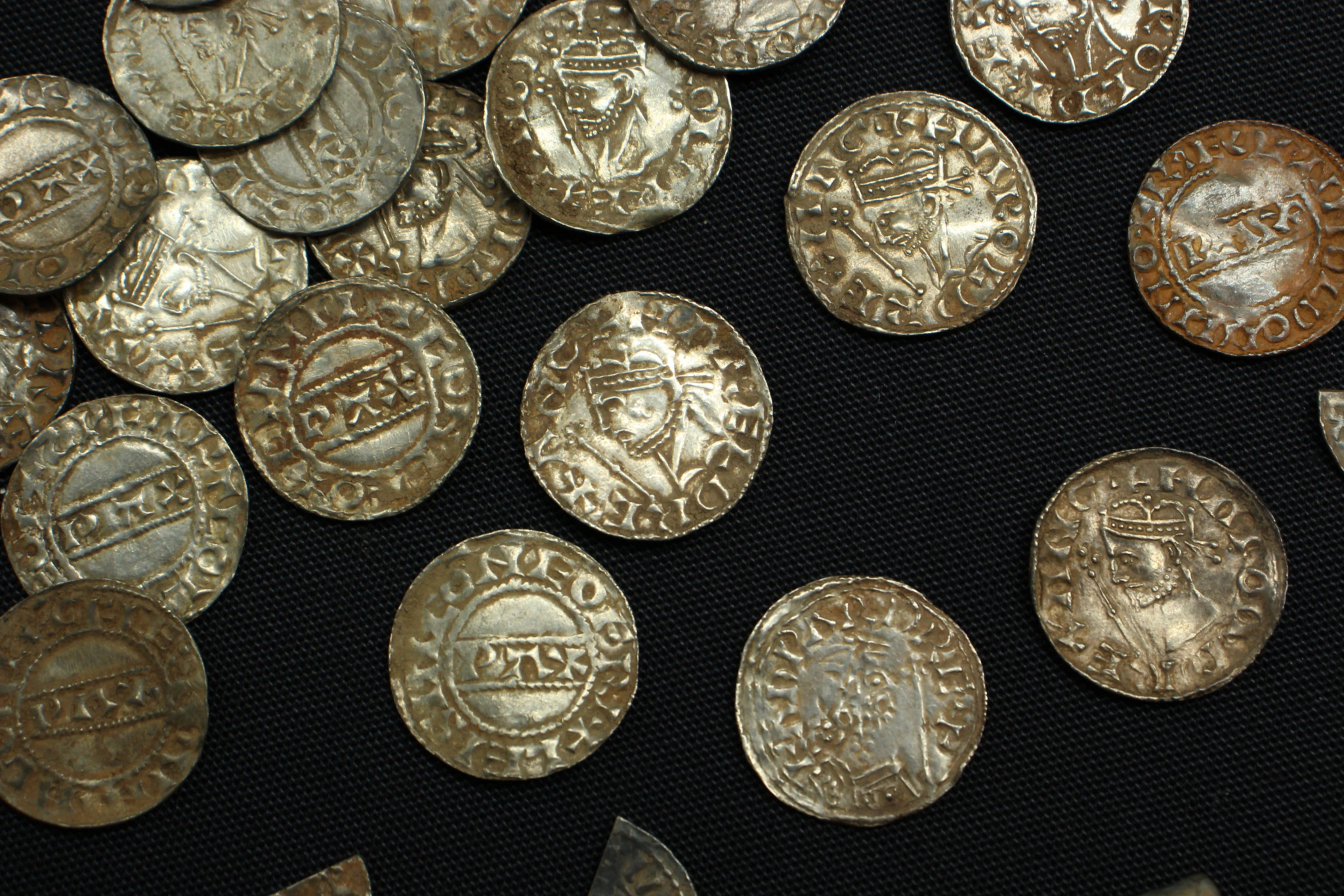
At the launch of the annual report, the British Museum showcased some of the most exceptional recent discoveries. These included a hoard of 179 silver pennies, likely buried on the eve of battle in 1066. It is one of several hoards deposited during the 1060s, with the hoard containing only coins from Harold II’s short reign.