The Heritage of London Trust has unveiled plans to open the home where music legend David Bowie spent his teenage years as an “immersive experience”.
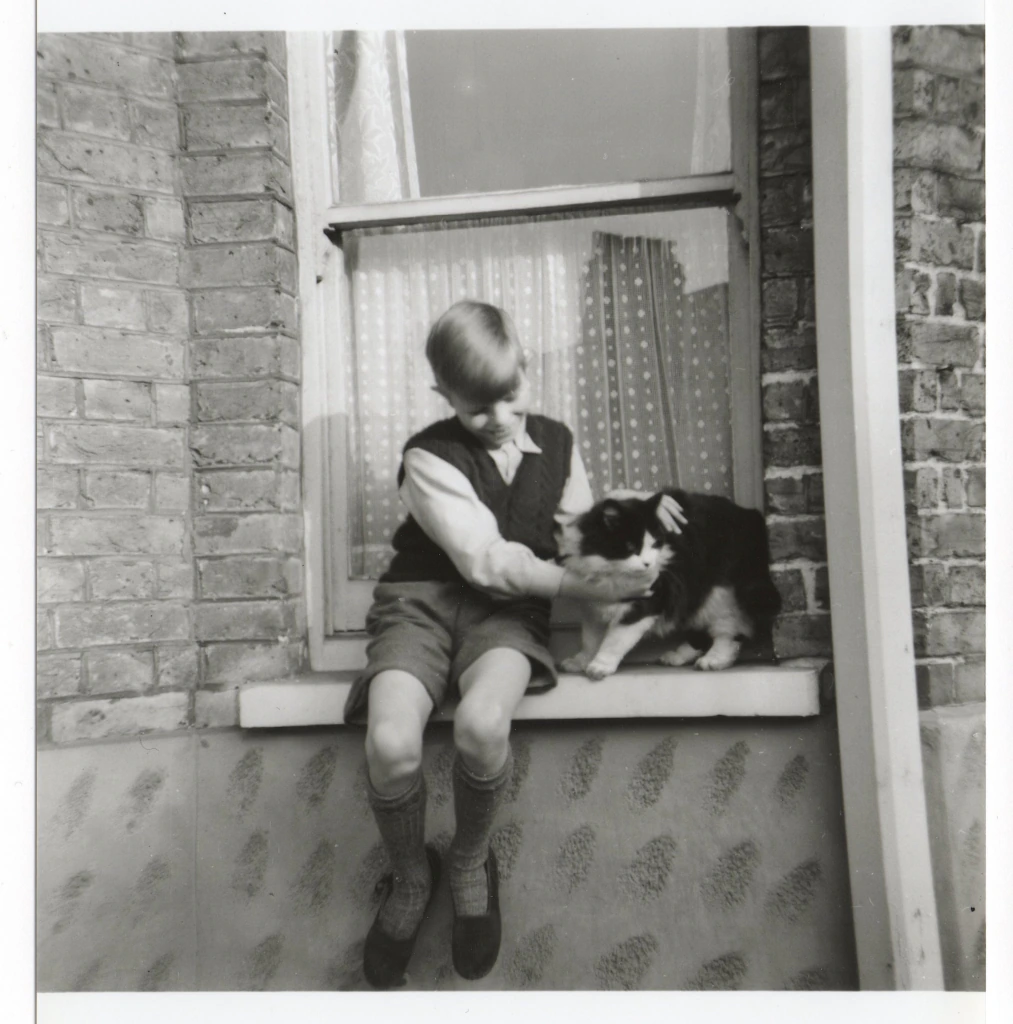
The star, then known as David Robert Jones, lived at 4 Plaistow Grove, a modest terraced house in south London, from the age of eight in 1955. He moved out in 1967 when he was 20 and the property remained the family home until 1970.
The trust describes the house as “Bowie’s creative sanctuary” and the site where his musical journey began.
“It was here that he wrote his earliest songs and regularly returned in the following years, as he wrote his breakthrough smash hit Space Oddity, which rocketed him to pop fame,” the trust said in a statement announcing the news.
The heritage project will restore the "two-up, two-down" railway workers’ cottage to its original early 1960s appearance.
Advertisement
With the help of curator Geoffrey Marsh, who co-curated the globally successful David Bowie Is exhibition at the Victoria & Albert Museum in 2013, the restoration will use a never-before-seen archive to recreate the interior layout of the house exactly as it was when Bowie’s father commuted to work at charity Dr Barnado’s and his mother worked as a waitress.
“This immersive experience will centre on Bowie’s 9 ft x 10 ft bedroom – the specific site where his ‘trailblazing spirit’ was forged,” said the trust.
Inspired by Bowie’s 1969 Beckenham Arts Lab, the creative arts centre that aimed to offer opportunities for everybody, the site will host creative and skills workshops for young people.
A major £500,000 grant from the Jones Day Foundation, a charitable foundation funded by attorneys and staff of the Jones Day law firm, has already been secured towards the restoration, and a public fundraising campaign will launch this month.
The house is near the Edwardian Bowie Bandstand, where the musician performed in 1969, which was restored by Bromley Council and Heritage of London Trust in 2024.
Marsh said: “It was in this small house, particularly in his tiny bedroom, that Bowie evolved from an ordinary suburban schoolboy to the beginnings of an extraordinary international stardom – as he said, ‘I spent so much time in my bedroom. It really was my entire world. I had books up there, my music up there, my record player. Going from my world upstairs out onto the street, I had to pass through this no-man's-land of the living room.’”
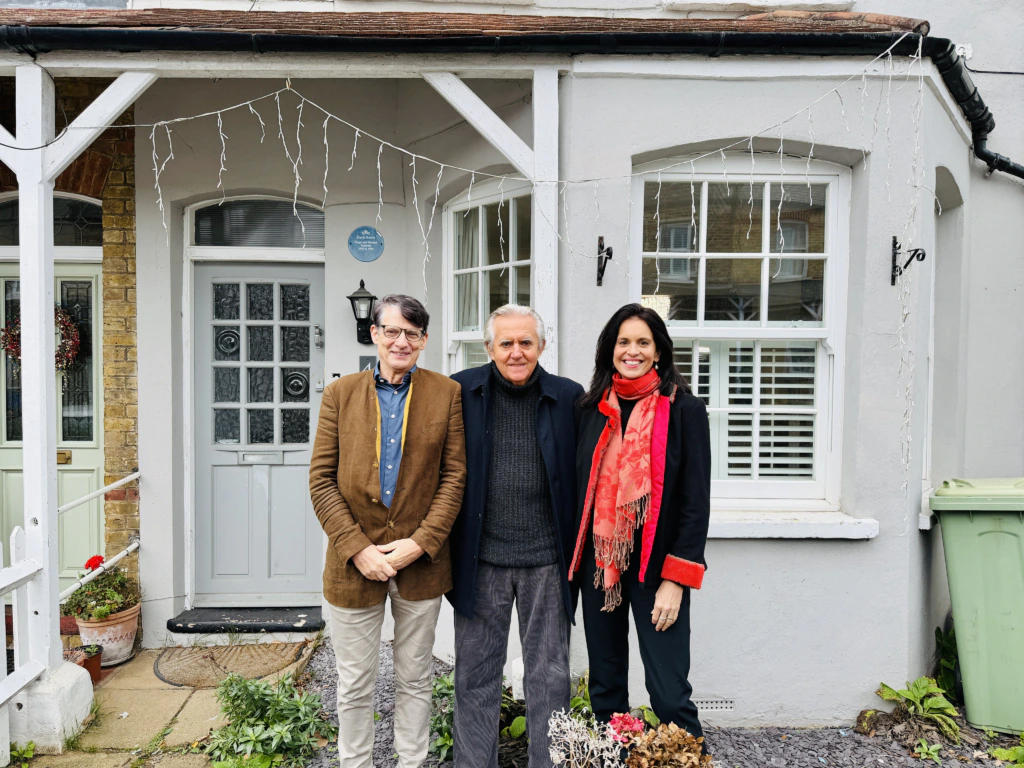
Nicola Stacey, the director of the Heritage of London Trust, said: “David Bowie was a proud Londoner. Even though his career took him all over the world, he always remembered where he came from and the community that supported him as he grew up.
“It’s wonderful to have this opportunity to tell his story and inspire a new generation of young people and it’s really important for the heritage of London to preserve this site.”
The trust hopes to open Bowie’s House to the public by the end of 2027.