
Kids in Museums has updated its safeguarding guidance for the sector, to include new information on generative AI and using images of children and young people online.
The guidance notes that generative AI platforms can “scrape” children’s images from websites and social media platforms to train their programmes and potentially generate new images. While it is a crime to generate child abuse images using AI, the Internet Watch Foundation earlier this year reported a worrying rise in the number of people doing so.
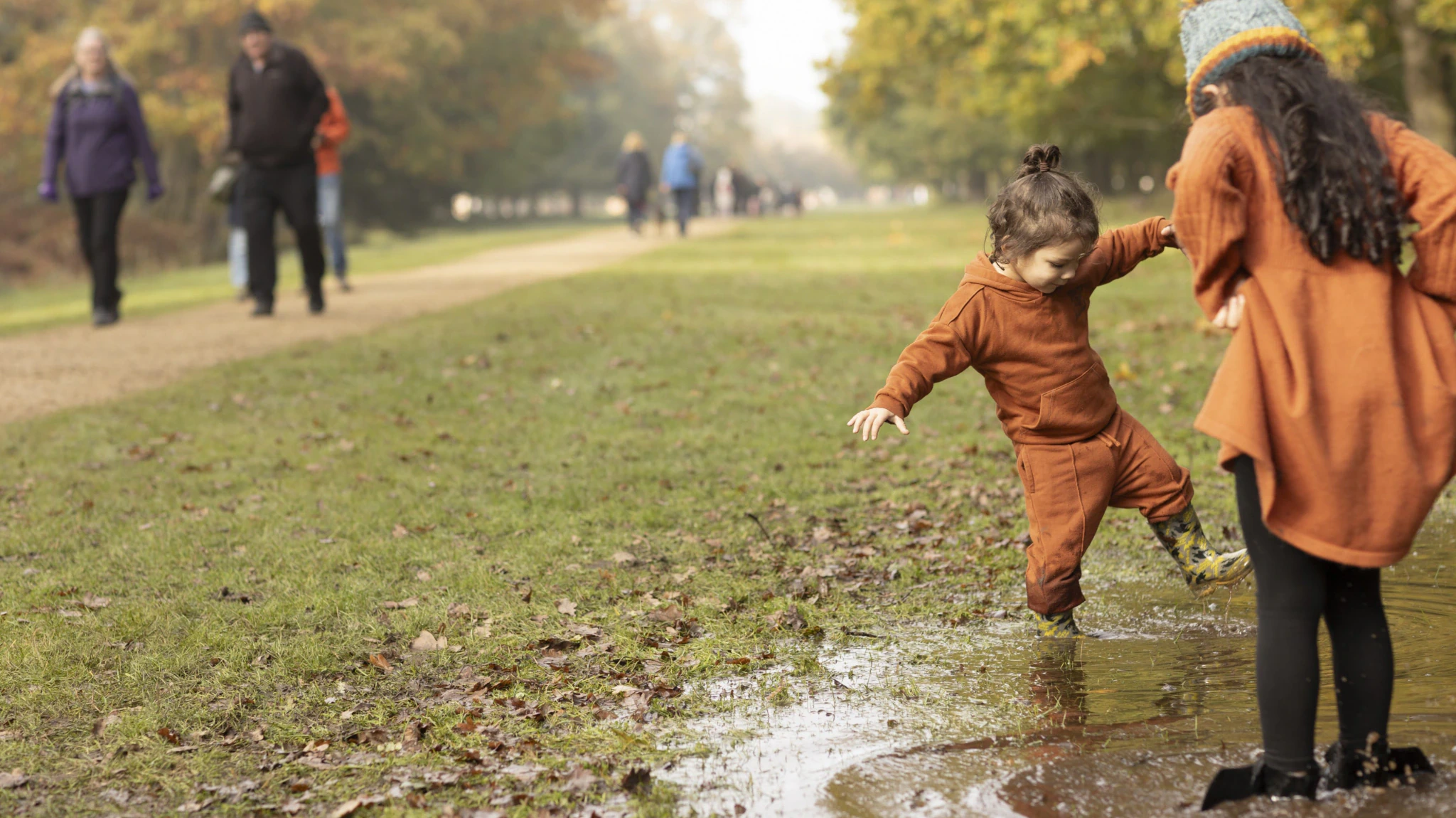
Kids in Museums says it isn't realistic to expect organisations to remove images of children or young people from their digital platforms altogether. But it recommends they consider taking steps to protect young people, including avoid publishing photographs where a child's face is visible. Instead, they could take photos from behind or from a distance.
Steps should be taken not to make the children and young people in photographs identifiable.
The guidance also advises museums to write “clear, granular consent forms so parents/carers have choices about how images of their children are captured and where they are shared” and be vigilant about how long photographs stay online.
“If sharing photographs of a specific project or group of children and young people feels too risky, consider other ways to share a project such as illustrations, creating cartoons or avatars, using project mascots (like soft toys) or through creative writing,” the guidance suggests.
Advertisement
“It’s essential that everyone in your organisation understands the risks of sharing and storing images of children. Staff and volunteers shouldn’t be capturing content of children on their personal devices.”
The Internet Watch Foundation has also produced a guide for professionals who work with children and young people.
Elsewhere, the guidance looks at the rise of young people using generative AI tools for schoolwork and creative projects. It recommends museums consider policies for people undertaking work experience or volunteering roles, including what AI tools are acceptable to use and advice on how to stay safe while using these.
The section on DBS checks has also been updated to reference new legislation that comes into force on 1 September and requires all volunteers supporting regular activities with children (including those who are supervised by staff) to have the highest level of DBS check – Enhanced with a barring list check.
Kids in Museums recommends museums consult the Department for Education’s guidance about the change in the law, especially for volunteers who spend time supervising children in multiple organisations as this may count as regulated activity.
The change only applies to those who work or volunteer in a supervised role with children frequently; on more than three days in a 30-day period; or overnight (between 2am and 6am).