Bradford attracted more than 3 million people to last year’s UK City of Culture programme, according to early estimates.
The event featured more than 5,000 events across all 30 wards in the Bradford district, with museums and galleries playing a key part in the programme.
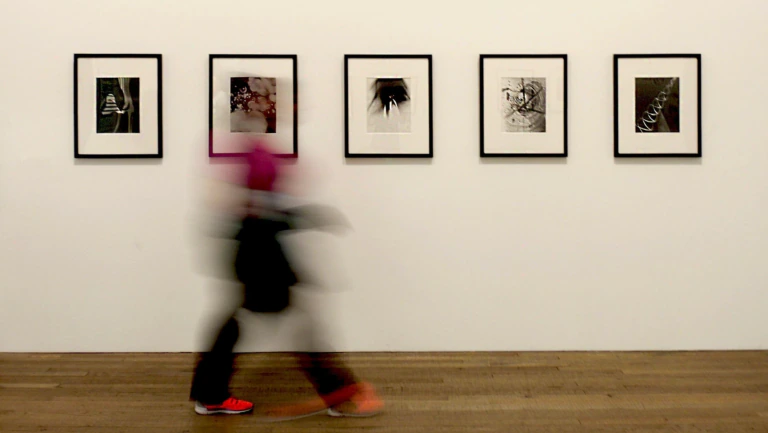
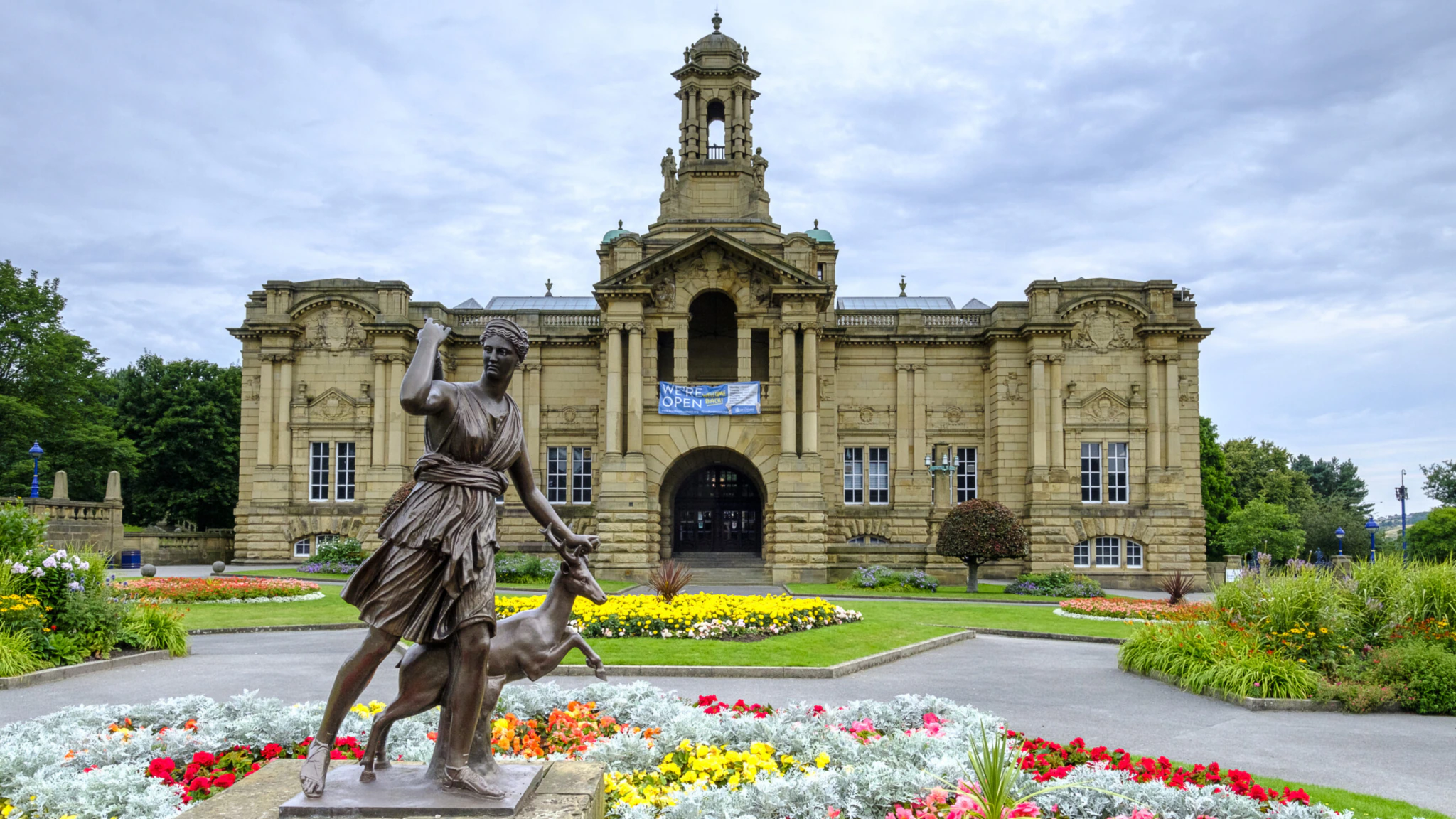
These included the Turner Prize being held at Cartwright Hall Art Gallery, which is part of Bradford District Museums & Galleries. Attendance at Cartwright Hall doubled over the past 12 months.
Turner Prize visitor numbers reached more than 36,000 by the end of the year. The prize was won by Nnena Kaland and the exhibition closes on 22 February.
The exhibition and prize were run with Tate, Bradford 2025 and Yorkshire Contemporary.
Overall, Cartwright Hall attracted 81,110 visitors from 1 January to 17 December 2025, up 63% on the same period in 2024.
Advertisement
Bradford District Museums & Galleries’ other venues also performed well during the UK City of Culture year. Cliffe Castle Museum’s visitor numbers were up nearly 10% (from 66,228 to 72,514); Bradford Industrial Museum’s numbers increased 25% (34,570 to 43,045); and Bolling Hall Museum saw an 11% increase in visitors (15,181 to 16,896).
Impressions Gallery based in the city centre saw visitor numbers double, rising from about 15,500 in 2024 to more than 36,000 last year. The photography gallery's exhibitions included Nationhood: Memory & Hope by Ethiopian artist Aïda Muluneh, and Make Yourself at Home, which was created by New Focus: Bradford Young Curators.
Bradford 2025 also delivered a £9m capital project as part of the UK City of Culture. More than 30 cultural organisations benefited from improvements to their buildings and facilities, including Brontë Parsonage Museum in Haworth and the Peace Museum, which relocated to the World Heritage Site of Saltaire and saw its annual visitors increase from 3,000 per year to more than 50,000.
Now Bradford’s time as UK City of Culture is over, thoughts have turned to the legacy.
Writing in the latest issue of Museums Journal, James Steward, the head of service at Bradford District Museums & Galleries, said: “If we want lasting transformation, we must treat legacy as a funded, planned and accountable priority. Bradford 2025 has been a triumph in many ways but whether it becomes a turning point or just a cultural high-water mark will ultimately depend on what happens next.”