Almost 40% of museum and heritage sites have experienced intentional damage — including acts like vandalism, graffiti and arson — to their property in the past two years.
The finding is part of a survey outlining the impact of crime on heritage settings published by the National Lottery Heritage Fund earlier this month.
The Heritage Fund received 147 responses to questions about heritage crime in its monthly UK Heritage Pulse survey, an ongoing research project to inform strategy and innovation within the museum and heritage sector.
Of those surveyed, 39% reported intentional damage to their property. Over half of respondents working for organisations with a turnover over £1m said they had been victims of intentional damage.
Additionally, 31% of respondents had experienced anti-social behaviour, such as fly-tipping, unauthorised camping and off-road driving, in and around their sites.
Over 30% of organisations with a turnover of more than £1m reported that they had experienced theft of building materials, while around 5% of respondents said they had experienced theft from their collections.
Advertisement
Organisations with paid employees were more at risk of heritage crime; while 50% of voluntary organisations said they had not experienced heritage crime in the preceding two years, less than a quarter of organisations with paid employees said the same.
The financial cost of repairs and replacements was cited as the greatest impact of heritage crime to museums, followed by the diversion of staff and volunteer time to dealing with the incident.
When asked about barriers to improving security, half of respondents identified financial barriers.
“The cost of tech to help monitor and deter incidents is prohibitive for an industry already under funded, but smart lighting and monitored CCTV are also part of the solution,” one respondent told the survey.
One in five respondents said there were physical issues with their site that prevented improvements.
“It’s simply too costly and difficult to patrol the whole site at all times, especially if a site is fully open access,” said one respondent.
Advertisement
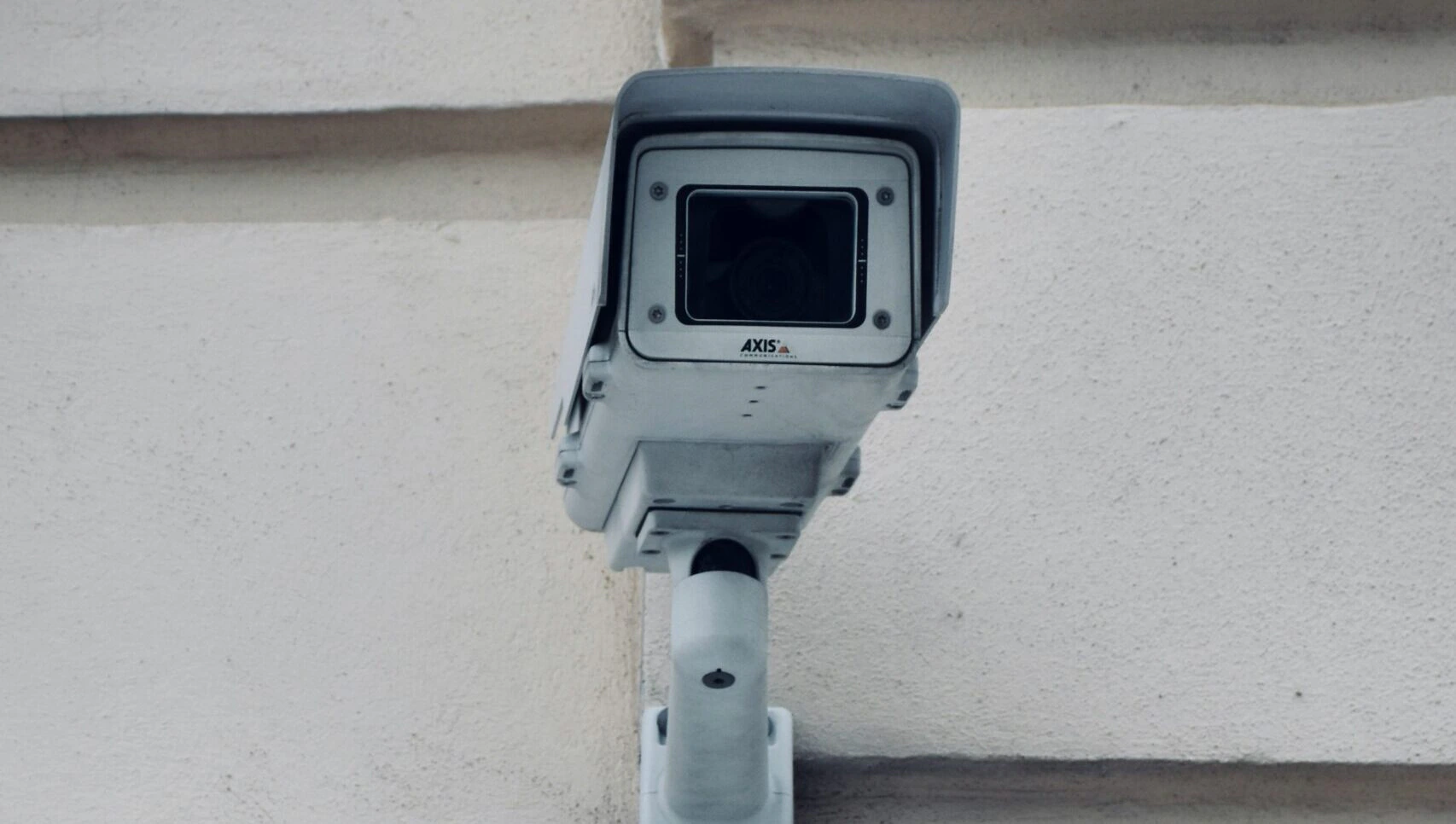
Respondents ranked video surveillance as their preferred security measure if their budget allowed, followed by physical access control and perimeter security.
The survey showed that heritage crime has a negative impact on staff and volunteer wellbeing. When asked to rate how strongly the statement “Most days I am uncomfortably stressed” resonated from one to 10, respondents’ answers averaged at 5.1 out of 10, the highest level on record.
The data gathered in the survey will be used to inform how the Heritage Fund can best realise the central goal of Heritage 2033 strategy, for “heritage to be valued, cared for and sustained for everyone, now and in the future”.