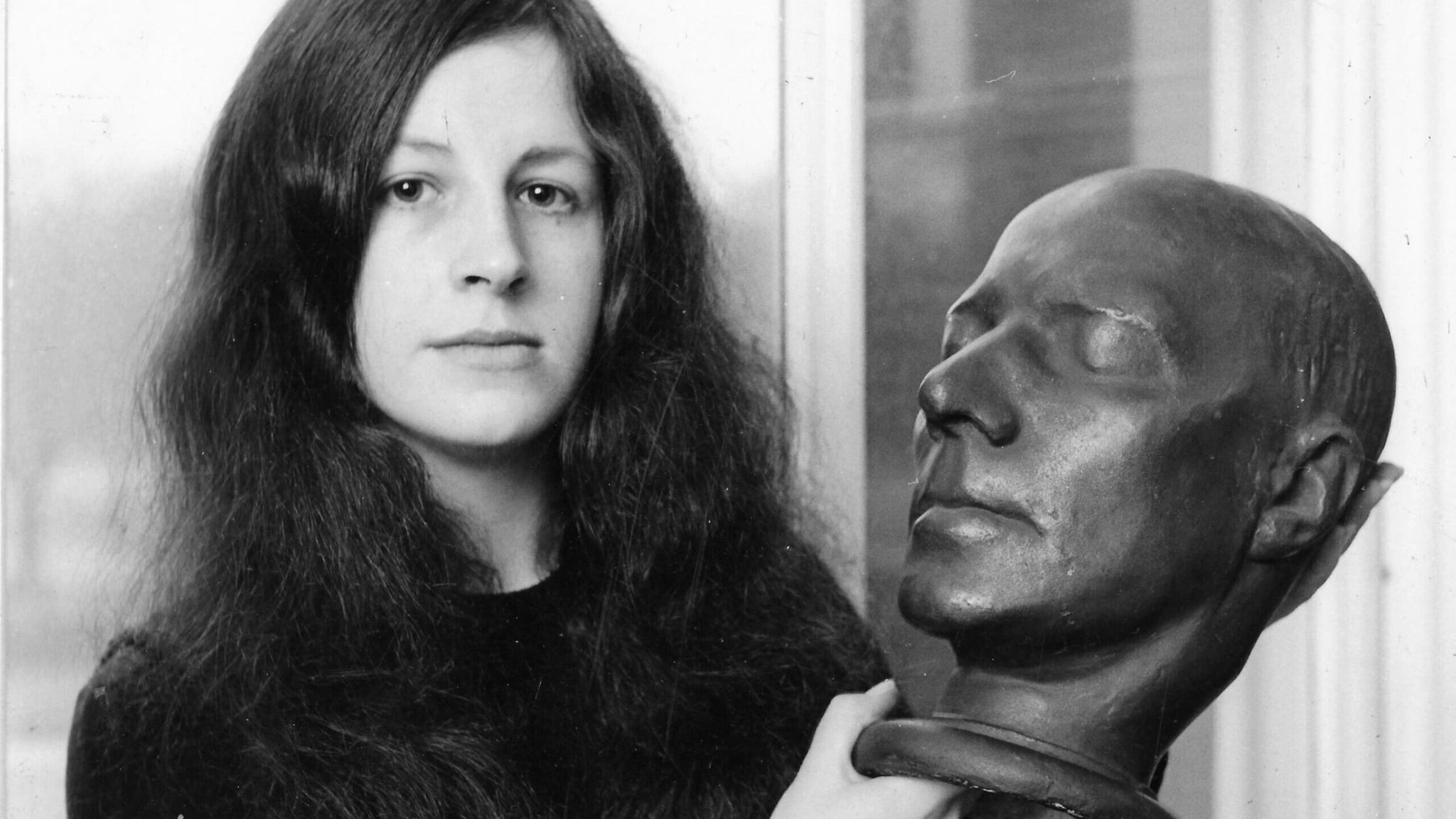
Tributes have been paid across the museum sector following the death of the “powerhouse” curator and social historian Elspeth King.
Recognised as one of the foremost social history curators of her time, King is remembered for her hands-on efforts to collect and preserve working-class history at Glasgow’s People’s Palace Museum.
King was the curator of the People’s Palace between 1974 and 1990, joining at a time when the museum, which opened in 1898, was in decline and its collections and displays had been neglected for years.
She made it her mission to expand the museum's social history collections, scouring the city's Barras Market on weekends with her colleague and partner Michael Donnelly to find new items.
Her tenure at the People’s Palace was eventful; one of the first exhibitions she curated was picketed over its display of Billy Connolly’s “banana boots” by members of the public, who objected to the comedian's profanity. The boots, designed and made for Connolly by Glasgow pop artist Edmund Smith, have since become part of the museum’s permanent collection.
In the late seventies, King fought off council plans to demolish the museum to make way for a motorway expansion. She recruited the then-emerging artist Alasdair Gray to work as an artist recorder at the museum, commissioning him to create new works to fill gaps in the museum’s existing collections – a move that was controversial at the time but has since been recognised for its foresight.
Advertisement
Her exhibition of Gray’s artwork in 1978, The Continuous Glasgow Show, featured over 30 paintings of contemporary Glaswegians and is credited with saving the museum from demolition.
A lifelong friend of King’s until his death in 2019, Gray went on to write the acclaimed novel Poor Things – now an Oscar-winning film – which includes references to his time at the People’s Palace.
Under her leadership, the museum was named European Museum of the Year in 1981 and British Museum of the Year in 1983.
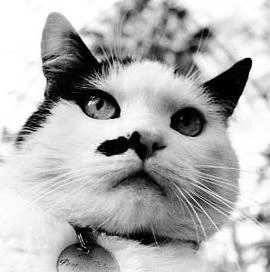
King’s pet cat Smudge was employed as the museum's rodent catcher in 1979 and became a minor Glasgow celebrity, with Smudge merchandise sold in the museum’s gift shop. She was the only cat to become a full member of the General, Municipal and Boilermakers Trade Union.
King’s pioneering work often met with opposition from Glasgow City Council, which she accused of underfunding and undervaluing local history. She left the museum after being overlooked for promotion to the new position of keeper in 1990.
Advertisement
King went on to oversee the restoration of the Abbott House in Dunfermline, before joining the Stirling Smith Art Gallery & Museum as director in 1994, a position she held for 24 years until her retirement in 2018.
In her later years King again campaigned to save the People’s Palace and Winter Gardens, which had fallen into disrepair. The museum is now closed until 2027 for a major refurbishment.
Museum professionals and politicians have paid tribute to King after news of her unexpected death on 1 November at the age of 76.
Michael McGinnes, former collections manager at the Stirling Smith, said King was a “powerhouse in the Scottish museums world, especially in women’s and Scottish history”.
He added: “It was a privilege to have worked with her for those 24 years and to have been involved in some of the best, innovative, exciting and groundbreaking exhibitions and events.”
Niall Murphy, director of Glasgow City Heritage Trust, said King was “rated by many within her profession as one of the top curators of social history in the English-speaking world”.
Advertisement
“Via her work at the People’s Palace, Dr King had an enormous impact on Glasgow’s culture,” he said.
“What she achieved there was impressive, particularly in the face of the museum possibly being swept away for Glasgow’s motorway expansion and relentless urban renewal and how she was unfairly treated by the Glasgow Museums’ hierarchy.
“To bravely hire Alasdair Gray for the Continuous Glasgow Show and to retrieve artworks and material from condemned buildings during the Comprehensive Development Area, in the face of questioning, deserves respect, especially for how this added to Glasgow’s civic collection.
“For the People’s Palace to be European Museum of the Year in 1981 and then British Museum of the Year in 1983 is a huge achievement. I hope that is reflected in the refurbishment of the People’s Palace and her key role is acknowledged as it deserves to be.”
In a statement, the Stirling Smith said: “It is with much sadness that we have learned of the passing of our former Director Dr Elspeth King.
“Elspeth was at the heart of the Smith for a long period of time and did a great deal for Stirling, for which she will be fondly remembered.
“Our condolences go out to her husband, Michael, and all her family and friends.”
The Abbott House Museum said: “We are very sad to share the news that Dr Elspeth King has passed away. Dr King was fundamental to the restoration of Abbot House in the 1990s and her personal connection with Alasdair Gray led to the beautiful ceiling mural he painted in our Long Gallery, which will form a main role within our newly planned visitor experience.”
MSP Paul Sweeney wrote: “My friend Dr Elspeth King has died. Pioneering curator of the People's Palace, 1974-1990.
“She worked tenaciously to collect the city's working-class social history, despite being dismissed as a 'midden raker' by the fine art snobs at Kelvingrove. We are grateful that she did it.”
The Alasdair Gray Archive wrote: “As curator at the People’s Palace museum, Elspeth hired Alasdair in 1977 as Glasgow’s “artist recorder” — one of the most stable and formative commissions of his life.
“This role led to around 33 paintings and drawings capturing the city’s architecture, people, and streetscapes before modernisation transformed them. Alasdair also wrote about Elspeth’s dismissal from this role and unfair treatment by civic authorities...
“Working from a bright studio in the People’s Palace store, Alasdair shared the space with Michael Donnelly — Elspeth’s partner and assistant — who salvaged and restored pieces of Glasgow’s past. Michael even appears in Gray’s 1992 novel, Poor Things, as the discoverer of the McCandless manuscript.
“Elspeth later moved to Abbot House in Dunfermline, where she invited Alasdair to create the mural in 1995. Their friendship endured until his passing in 2019.
“Our heartfelt condolences go out to Michael, her family, and her friends.”
Update
05.11.2025
Article updated to include more tributes and details of King's life.