Scottish museums have been boosted by a funding package that is designed to address an urgent need for capital funding in the sector.
National development body Museums Galleries Scotland (MGS) has given 17 museums a total of £862,000 through its Repair and Adaptation Fund. The money is the result of an increase in capital investment from the Scottish Government.
MGS CEO Lucy Casot said: “This increase acknowledges the challenges faced by the museum sector in making sure Scotland’s collections are well cared for and, as we expected, demand for this round of the Repair and Adaptation Fund has been high.
Explore the key issues facing museum facility management
Online event, 19 November
None of the important work that museums do can happen without the facilities work that goes on behind the scenes.
Join us for this essential event in November to hear more about innovative practice in facility management.
“This funding is key in allowing museums to effectively preserve Scotland’s cultural heritage and continue to benefit the communities they serve.”
The awards will support capital costs that directly increase the resilience and accessibility of museums by upgrading facilities and making essential repairs.
Advertisement
Many of the awarded projects focus on environmental sustainability, with museums seeking to reduce their climate impact and improve operational efficiency.
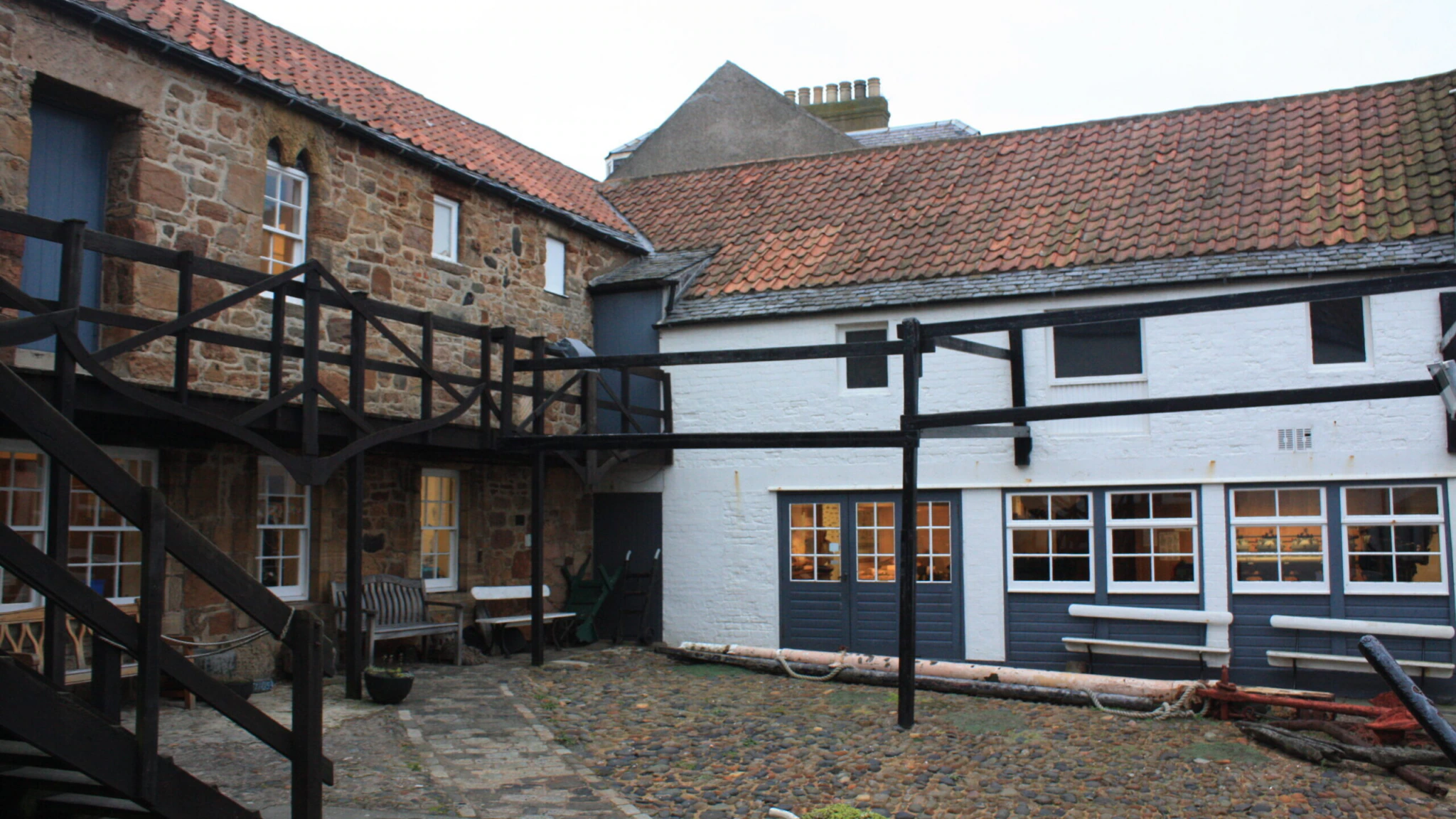
The 17 funded projects include the Scottish Fisheries Museum, which will use its grant to replace the roof of its Grade A-listed building.
Tarbat Discovery Centre and Stromness Museum will carry out building condition surveys in order to plan for future repair and adaptation needs.
Glasgow Women’s Library will use its money to adapt its roof in order to install PV solar panels that will generate renewable energy for the library alongside air source heat pumps. These works are part of an action plan for reaching operational net zero by 2030.
Glencoe Folk Museum has received £100,000 to support a programme of improvements to enhance the level of accessibility for its visitors. This includes a new entrance way with a button-operated door, a new exterior path, and a hearing loop system throughout the museum.