The Powell-Cotton Museum in Birchington, Kent, is inviting people to become involved in the second instalment of its museum-wide reinterpretation project.
The museum holds internationally significant collections of artefacts connected to Africa.
Following the successful opening earlier this year of its East African displays – co-curated with its advisory group of community participants of African descent – the museum’s collaborative approach will continue as it creates new presentations of art and artefacts of the Zulu people of Southern Africa.
A new, long-term collaborative approach is being integrated into the museum’s presentation of the collections, lives, cultures and beliefs of communities of origin.
Galleries that previously included captions and text panels reflecting only the interests, experiences, knowledge and perspectives of the museum’s founder, Victorian explorer and hunter, Percy Powell-Cotton (1866-1940), have been revitalised with fresh interpretation highlighting the objects themselves, their significance and the stories of their original owners and the communities to which they belonged.
The museum is currently seeking new members to join its Community Advisory Group to help with the sensitive interpretation and display of its Zulu material.
Advertisement
When the project begins in late November, group members will work closely with the museum team and sector specialists, feeding directly into how artefacts and information are interpreted, displayed, and shared with the public.
Monthly meetings will take place at the museum and online, including expert-led workshops and discussions to help shape future displays and exhibitions. The museum will cover expenses and provide a stipend for participation.
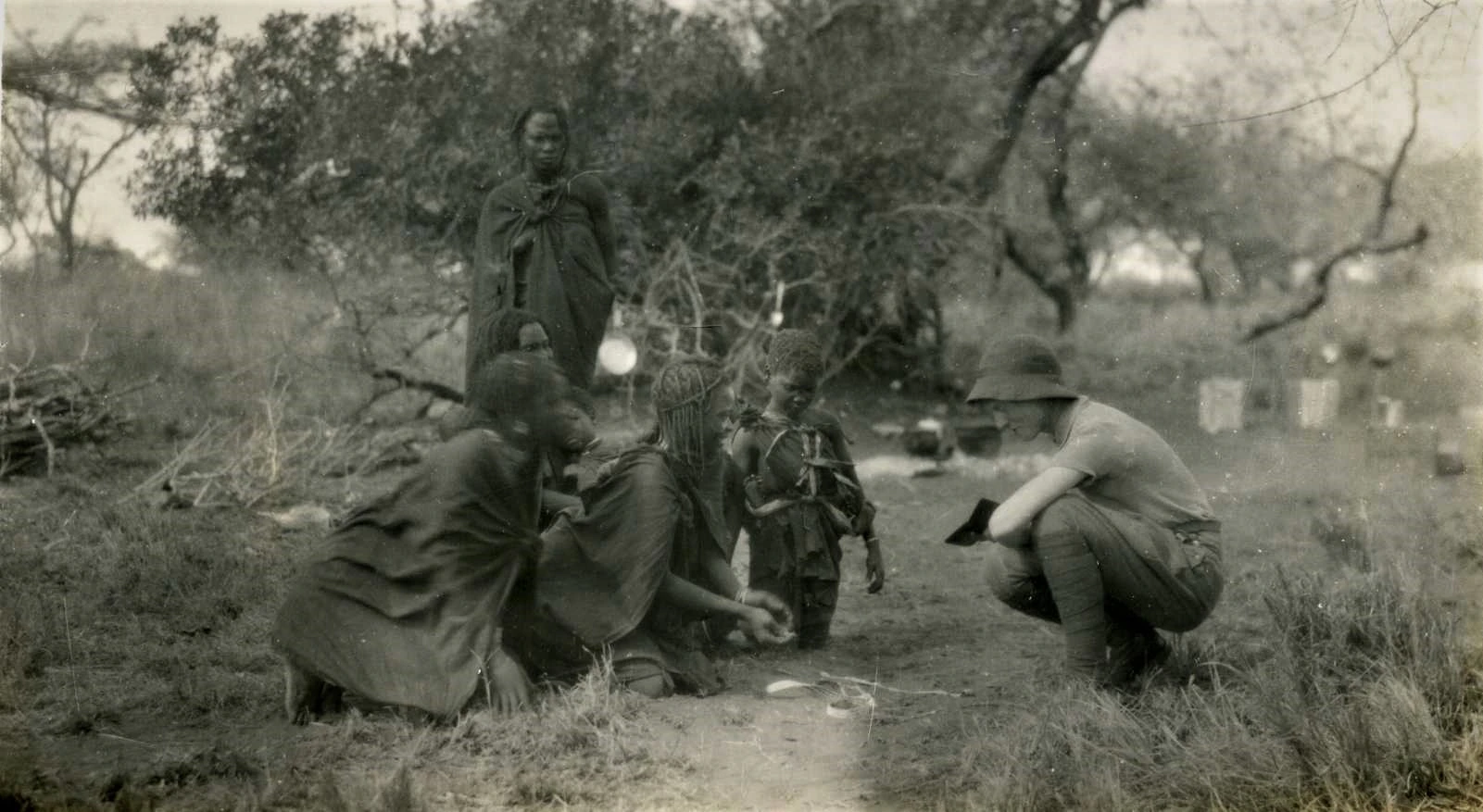
In 1935, Percy Powell-Cotton visited South Africa, then known as Zululand, with his daughter Antoinette. While there, he collected hundreds of artefacts from the Zulu people, many of which were used in daily life and all of which show the craftsmanship and skill of the region.
The collection includes work by renowned 20th-century sculptor, Hezekiel Ntuli (1912-1973). One of the first Black artists in the KwaZulu-Natal province to be identifiable by his own name in a public art collection, Ntuli’s clay busts and animal figures were widely collected, often by tourists.
For the Zulu project, the advisory group sessions will be joined by Njabulo Chipangura, assistant professor of African Anthropology at the National University of Ireland, Maynooth, where he specialises in museum anthropology and critical heritage studies.
Formerly curator of anthropology at Manchester Museum, and curator of archaeology at the National Museums and Monuments of Zimbabwe, his work supports and promotes collaborative, community-based approaches in museums.
Advertisement
Madylene Beardmore, the head of collections at the Powell-Cotton Museum, said: “This is an inspiring time to be part of the museum and we are looking forward to welcoming new members to our group. Our collaborative approach to curating and presenting the collections is now the norm here.
“This is a sensitive refreshment of the museum, resulting in enlightened commentary, more detailed object descriptions and the voices of many communities coming to the fore. The collections are vast and fascinating and continue to reveal new facets and levels of meaning and significance.”
Sarah Corn, the CEO of the Powell-Cotton Trust, said: “As the Powell-Cotton Trust approaches its 100th anniversary in 2026, we are deeply committed to ensuring that community voices continue to shape the museum’s work.
“This is only the beginning – many projects are planned – and we are excited to be continuing our pioneering new series of collaborations. This is a meaningful opportunity for individuals who want to influence how museum collections and histories, particularly those connected to Africa and its diasporas, are represented and shared.”
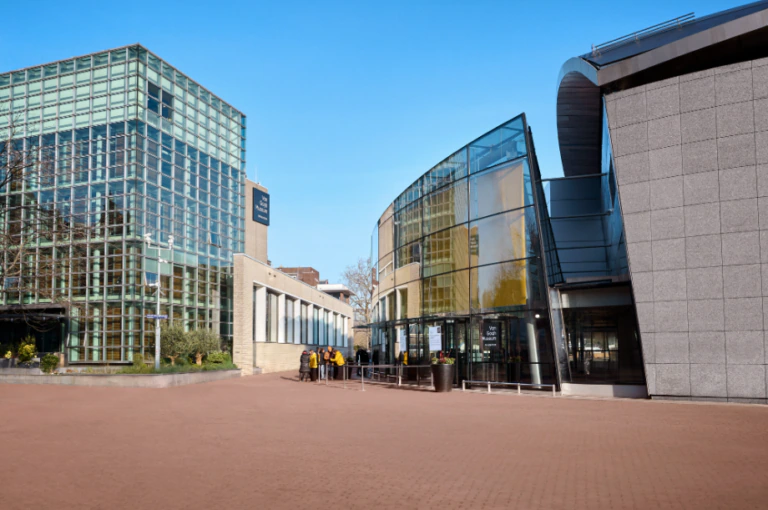
Set within ten acres of the Quex Gardens, within the wider Quex Park in Birchington, Kent, the Powell-Cotton Museum presents natural history collections in historic dioramas, world material culture objects from Africa and Asia, as well as local archaeology from the Thanet coastline.
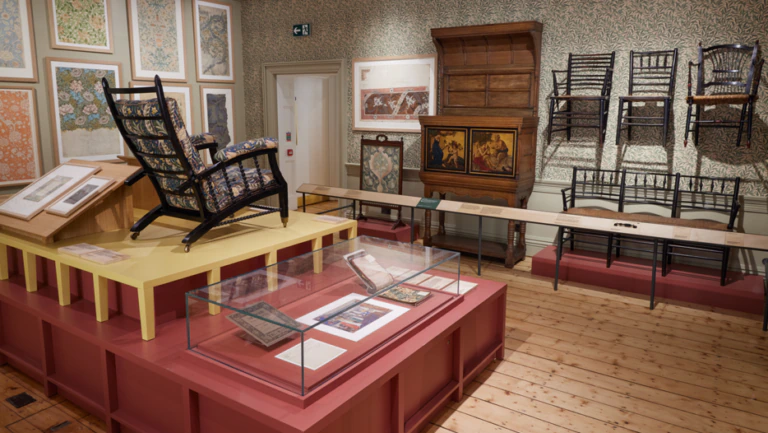
The site also includes a Victorian Kitchen Garden and woodland walk, as well as the neighbouring Quex House, designed in 1816 by Thomas Hardwick, which houses collections of decorative arts and furniture assembled over 200 years.
For more information about the project, contact Madylene Beardmore, head of collections at mady.beardmore@powell-cottonmuseum.org