Oxford University’s History of Science Museum has received Listed Building Consent and planning permission for a major project that aims to transform the world’s oldest purpose-built public museum building.
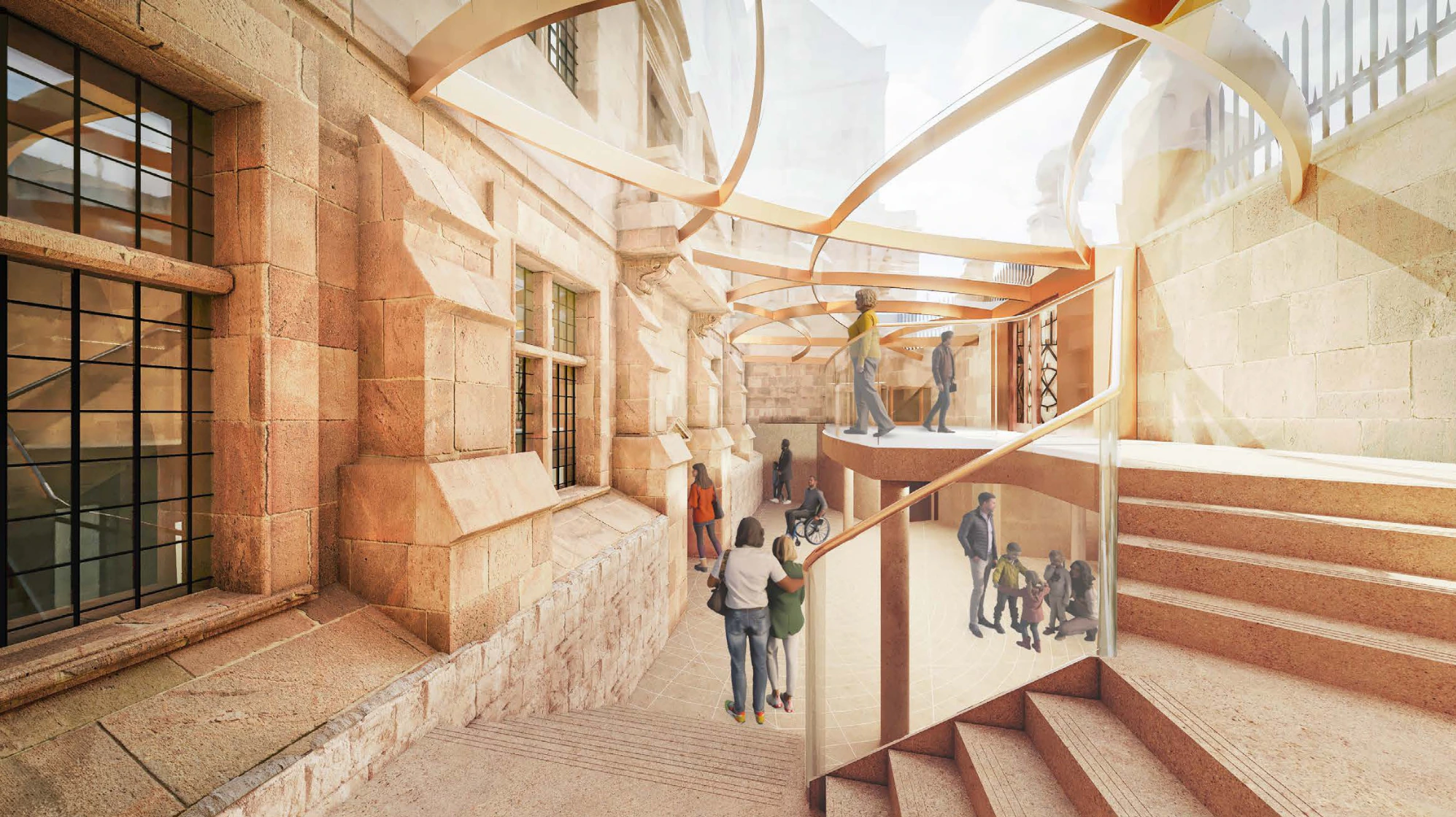
Led by Purcell Architects, the refurbishment and building strategy will make the museum fully accessible and while also preserving the building’s heritage and world-famous collections into the future.
The project aims to make the museum fully inclusive; safeguard the Grade I listed building’s continued use as a public museum; create a welcome space with essential visitor facilities including washrooms and two lifts; create innovative displays and exhibitions; create new staff facilities in line with sector standards; improve the museum’s visibility on Broad Street; and promote environmental and financial sustainability for the organisation.
The planning application was managed by Edgars Planning Consultants and the plans were shaped over the past five years with input from key stakeholders and heritage groups.
Comments from local visitors and schools who use the museum as an educational resource show overwhelming support for the proposed changes.
The museum is now starting to develop the narratives and design of its new galleries and is focusing on preparing a strategy to raise support for the delivery of the project. During planning stages, the museum will remain open and carry on offering its programme of events, displays and tours.
Advertisement
Silke Ackermann, the director of the History of Science Museum, said: “Achieving Listed Building Consent and Planning Permission to secure the future of our unique building as a fully accessible public museum is a dream come true for me personally, and potentially a blueprint for other Grade I listed heritage sites.
I am so very grateful to our project team and all the individuals and groups who have so patiently supported and guided us as critical friends. It is their belief in our plans, and their honest feedback at all stages that have enabled us to get to this point.
I would also like to thank the Trustees of the E P A Cephalosporin Fund without whose support the project could not have progressed to this point. I am immensely looking forward to developing the next stages of our project together.’
Built as Britain’s first public museum in 1683, the historic building on Broad Street became home to what is now the History of Science Museum just over 100 years ago.
In 1924, Lewis Evans (1853-1930) donated his world-class collection of scientific instruments to Oxford University on the condition that they were put on display to the public.
The museum is now home to an unrivalled collection of devices and instruments from different cultures and times in human history.
The collection of more than 30,000 objects includes intriguing inventions that help us understand the world around us: astrolabes and sundials to tell the time; early mathematical instruments to measure and calculate; microscopes to examine our world in detail; medical advances from wonder drugs to vaccines; and a blackboard used by Einstein.
Key groups and stakeholders that have informed the project include Oxford City Council, Historic England, Oxford Design Review Panel, Oxford Preservation Trust, the Society for the Protection of Ancient Buildings, Historic Buildings & Palaces, the museum’s immediate neighbours, and a pre-application public consultation.