The Science and Industry Museum’s Power Hall: The Andrew Law Gallery will reopen on Friday 17 October after a major repair and restoration project.
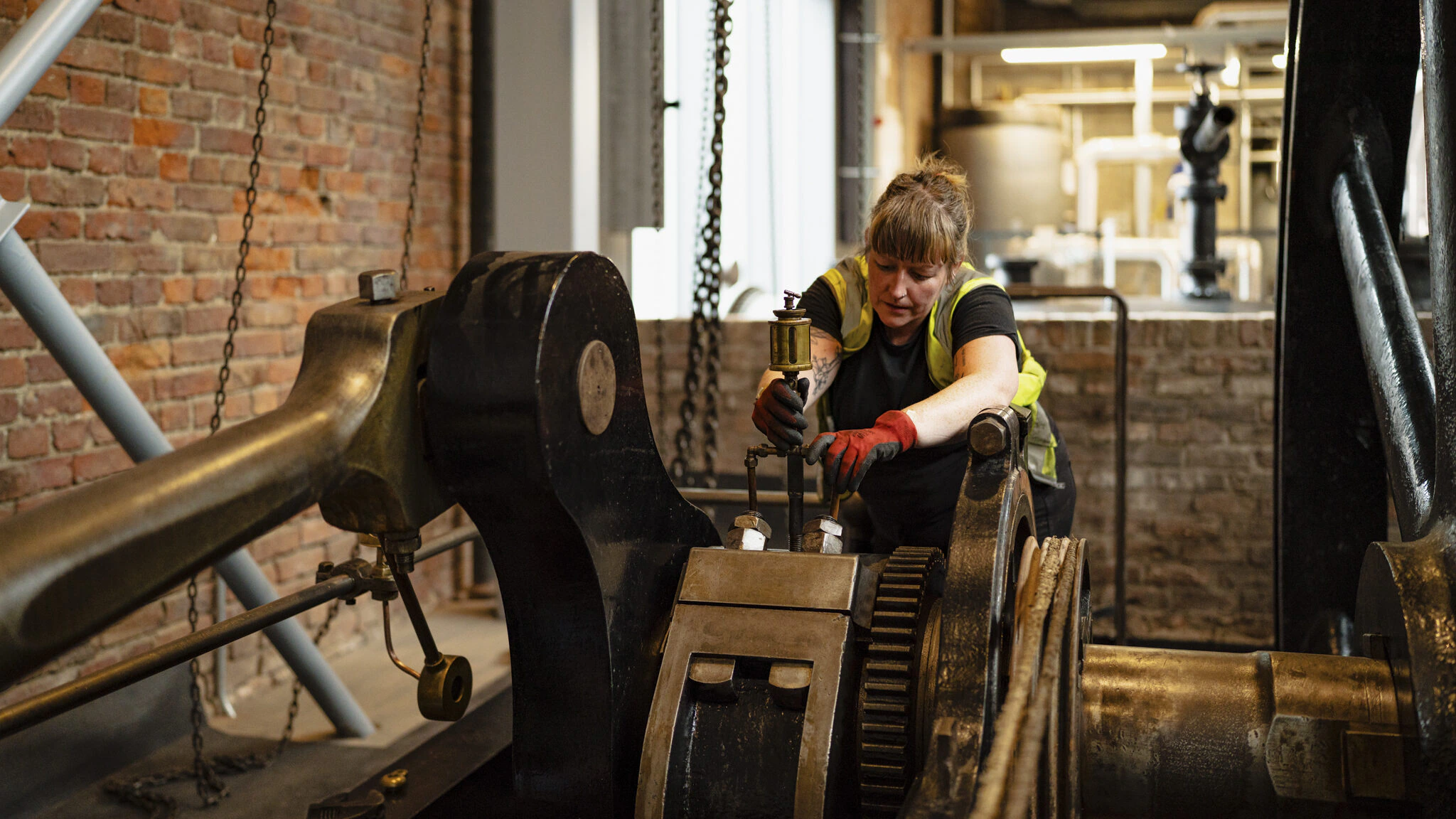
The living gallery showcases the Manchester museum’s historically significant collection of 19th- and early-20th century working engines.
The Grade II listed building, which in 1830 was the Manchester terminus of the Liverpool and Manchester Railway, closed in 2019 for urgent roof and timber repairs, building conservation and a major decarbonisation project.
The museum has collaborated with architect and lead designer Carmody Groarke, Manchester building contractor HH Smith & Sons, exhibition designers Studio MUTT and building service engineers, Max Fordham, to repair and protect the building’s heritage and reopen more than 1.4 acres of the museum’s publicly accessible space..
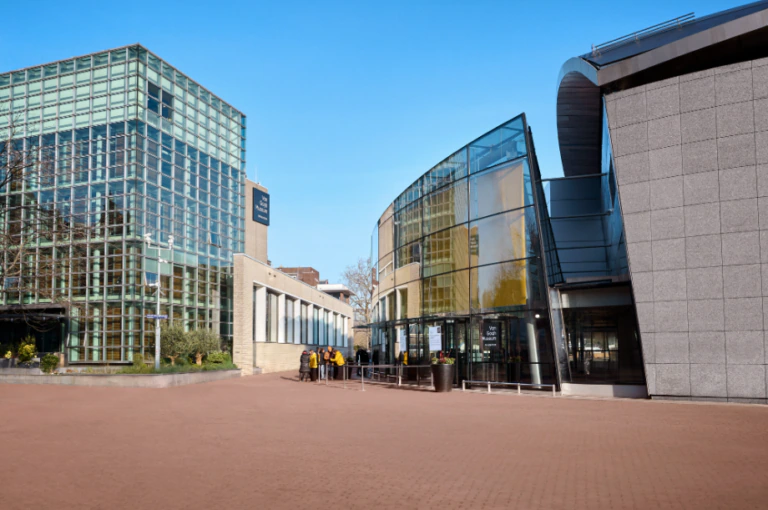
Visitors will be welcomed to the 2,500 square metre space through a new central entrance reached through the museum's historic Upper Yard, which now provides accessible routes, as well as seating and planting linked to the history of the site designed by landscape architects Planit and heritage architects Buttress.
The new roof, which is the length of a Premier League football pitch, reuses most of the original slates laid over sustainable wood-fibre roof insulation (made from a byproduct of timber).
Advertisement
Sustainable measures include: new insulated roof lights, windows and doors; expanded guttering to manage increased rainfall; a new electric boiler powered by a new water source heat network; and new LED lighting.
Inside, circulation and sightlines have been clarified by reinstating the historic central platform and goods shed layout. Key collections are displayed along a more accessible route, integrated into re-laid cobbles and timber flooring.
The revamped Power Hall gallery will house working machinery and hands-on interactives, as well as new stories showcasing Manchester as an epicentre for the engine-driven ideas and industry that shaped the world as we know it today.
Among the engines on display – from those that powered anything from cotton mills, chip shops, electricity generators to railways – are:
- Pender, a steam locomotive used to transport holiday makers around the Isle of Man in the 1870s, which offers a view into its inner workings through its cut away side.
- The Durn Mill steam engine will also be up and running. Originally used to power weaving machinery at an 1800s mill near Rochdale, engines such as this dramatically increased production and profits, which in turn increased exploitation both locally and globally.
- Aa replica of the Planet steam locomotive, built by skilled volunteers inside Power Hall in 1992. The original Planet pulled passengers between Liverpool and Manchester from 1830 to 1840 and was the next iteration of steam locomotive after Stephenson’s famous prototype, Rocket.
People’s stories have also provided a new core to the gallery, from one of the first women to have a full career as an electrical engineer to a present-day designer of wind turbines.
Advertisement
Power Hall aims to showcase the people whose skills and determination have shaped our relationship with energy, from the Industrial Revolution to greener futures, with a focus on STEM throughout.
Sally MacDonald, Director of the Science and Industry Museum, said: “This is a hugely significant moment for our museum, the Science Museum Group and for Manchester. Power Hall symbolises the city’s innovation, creativity and resilience, and we are overjoyed that visitors will soon be back to enjoy all the amazing objects and stories on display.
“Ideas that began in this city have impacted people and places across the world and shaped life as we know it, and Power Hall showcases this in a very physical way. Our colleagues who first set up this gallery in 1983 knew that science and engineering have always been crucial to Manchester’s success and future growth.
"Many people have told me that the Power Hall was inspirational for them as children, and I hope now it can inspire a new generation of inventors and technicians.
“A massive thank you to our fantastic collaborators, partners and funders for helping us to create this must-see Manchester experience, and of course to our visitors for their patience and sustained interest while Power Hall has been closed. I speak on behalf of everyone at the museum when I say we can’t wait to welcome you back.”
The project was supported by Andrew Law via his personal foundation, AL Philanthropies, the Wolfson Foundation, The National Lottery Heritage Fund, The Headley Trust, Royal Commission for the Exhibition of 1851, Atmos International, The Beaverbrooks Charitable Trust, The Zochonis Charitable Trust and other donors who choose to remain anonymous.
The Department for Culture, Media and Sport and the Department for Energy Security and Net Zero have also providing funding.