A museum dedicated to shoemaking has opened in Somerset, marking the 200th anniversary of the shoe company, Clarks.
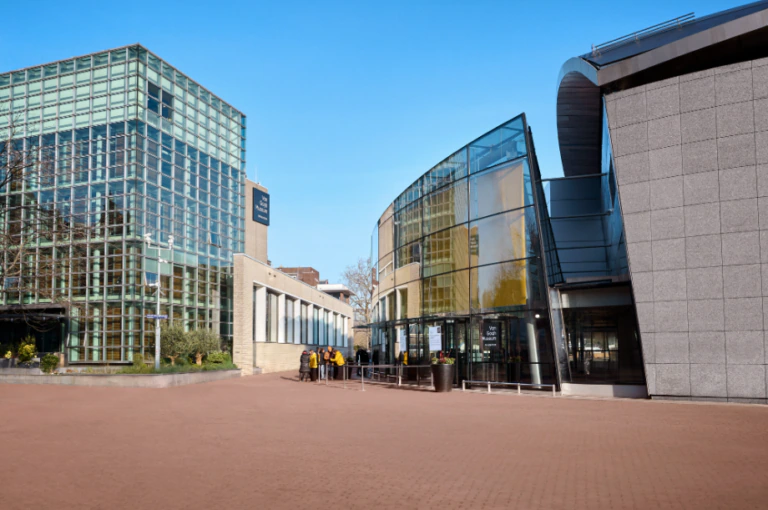
The Shoemakers Museum in Clarks Village, Street tells the story of the evolution of shoemaking, style and identity through four new immersive galleries near the Clarks headquarters.
The museum is run by the Alfred Gillett Trust, a registered charity dedicated to preserving and sharing the Clarks archive and legacy. Clarks was started in 1825 by two brothers, Cyrus and James Clark, who began using tannery offcuts to create slippers.
The exhibits are designed to reflect British life, global influence and local pride through the history of the well-known shoe company.
Rosie Martin, the museum’s director said: “This is a museum about people – their craft, their community and the shoes that became part of life’s biggest milestones.”
“Whether you remember your first pair of Clarks or you’re discovering the story for the first time, this is a space for connection, creativity and collective memory.”
Advertisement
The new building, designed by Purcell Architecture, combines a 16th century manor house, a 17th century barn and a glass extension.
To reflect the Clarks brothers’ use of local materials, the Shoemakers Museum was built using Somerset-based contractors, designers and engineers.
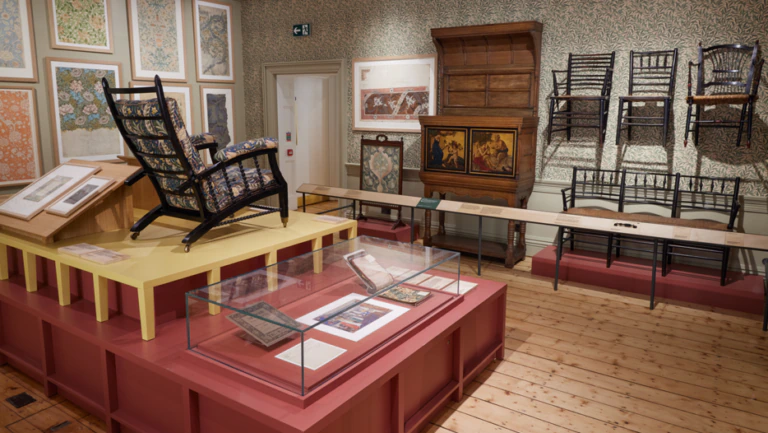
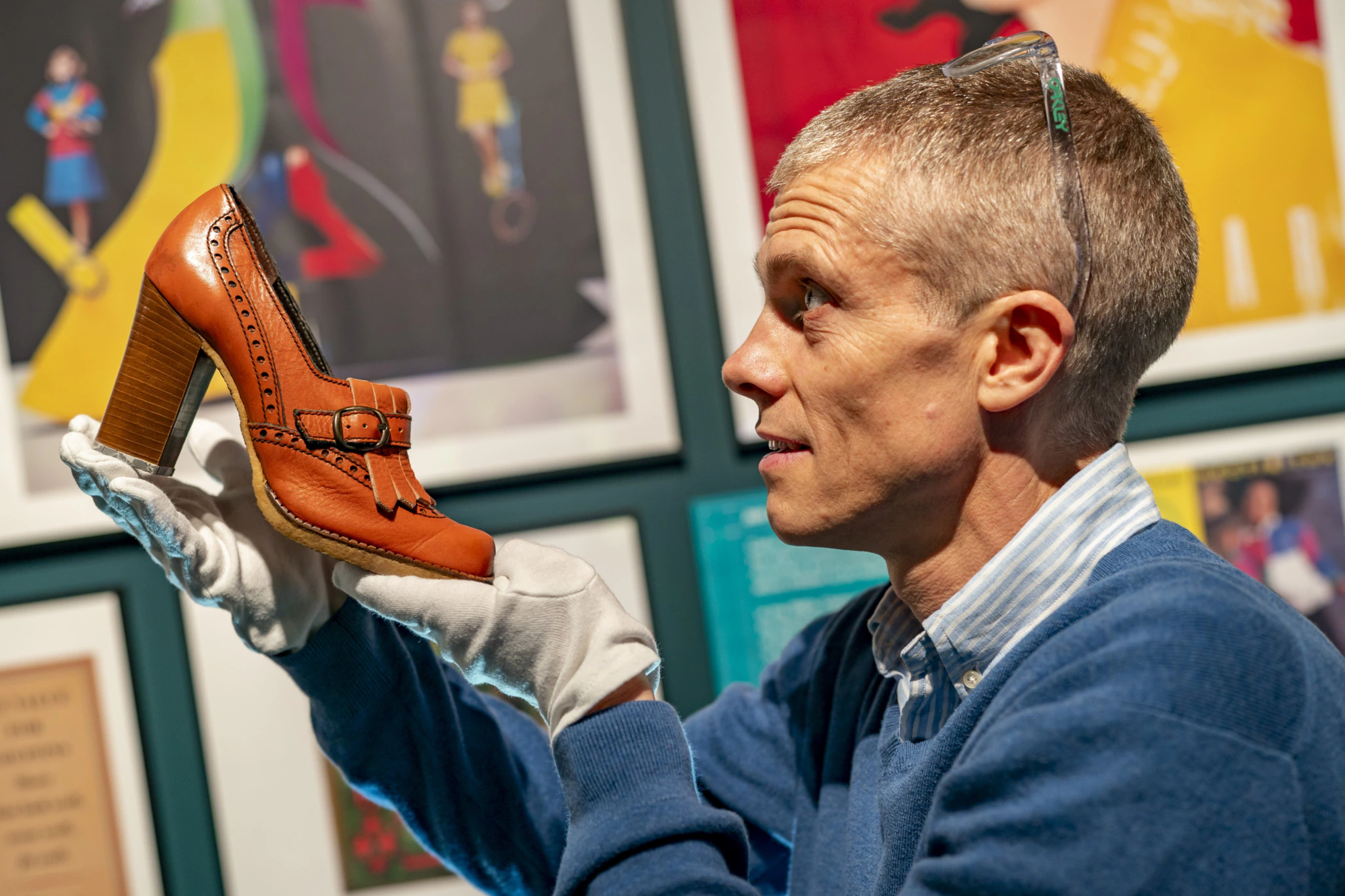
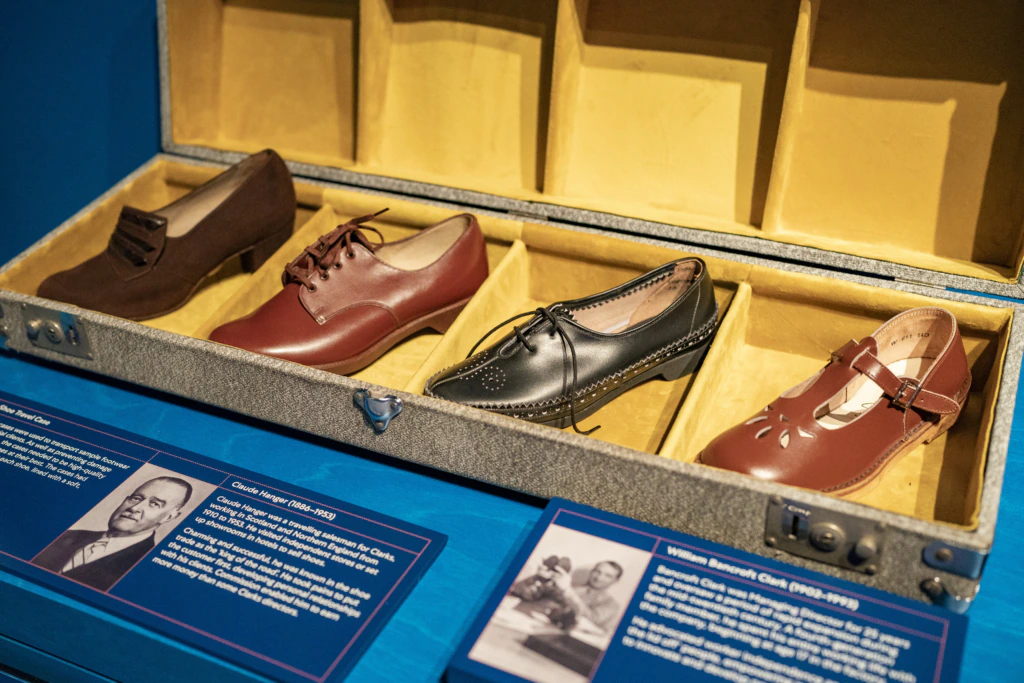
The museum’s displays include a recreation of 1950s and 1980s shop fronts, archival materials and prototypes of Clarks shoes.
There is also a collection of marine reptile fossils, originally discovered underneath the Clarks factories by family member and amateur palaeontologist, Alfred Gillett.
The exhibits will be accompanied by a retail space and a café serving produce from within a 35-mile radius.
Cato Pedder, the chair of the Alfred Gillett Trust, said: “The museum stands not just as a tribute to the Clark family legacy, but as a platform for future generations to explore creativity, community and cultural identity – through the simple act of putting one foot in front of the other.”
“More than a museum of shoes, this is a living breathing tribute to the community, powered by the people who built it – from Quaker founders and factory workers to today’s local contractors, historians and volunteers.”