The British Ceramics Biennial opens on 6 September in Stoke-on-Trent with the city marking a number of important milestones this year.
As well as the biennial, which has been running since 2009, the Staffordshire city is celebrating its centenary in 2025. And it is just over a year since Stoke-on-Trent was awarded World Craft City status, which is recognition of its global importance as a centre for pottery production.
The British Ceramics Biennial runs until 19 October and features works in clay by more than 60 artists. The event includes a range of free exhibitions, screenings, talks and other activities.
The biennial takes places at the former Spode ceramics factory, which closed in 2009. The site now includes a museum, which opened in 2012, as well as growing range of businesses. Spode was one of the two largest potteries in Staffordshire in the 19thcentury, employing about a thousand people. The collection, which spans over 200 years from the late 18th century up to 2008, features about 45,000 artefacts.
The British Ceramics Biennial also usually works with the Potteries Museum & Art Gallery, which is run by Stoke-on-Trent Museums, but this venue is currently being redeveloped in a project expected to be completed next year.
The whole Spode factory site is gradually being regenerated, with the British Ceramics Biennial playing an important part in this. Stoke itself faces many of the challenges seen in other post-industrial UK cities, with health, educational attainment and employment all below national averages.
Advertisement
The British Ceramics Biennial, which has a vision of making change through clay, runs a year-round programme and works in partnership with a range of other organisations to help address some of the issues faced by local communities.
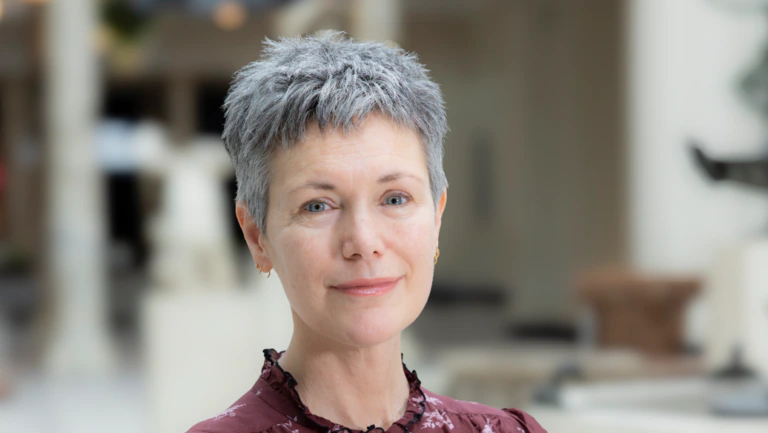
Clare Wood, artistic director and chief executive of British Ceramics Biennial, says: “It's a challenging city and we work closely with people within the council and the local authority and other service providers and charities to understand what the needs are within the city, and try to respond to those.
“Clay isn't going to solve everything, but it can make more of a contribution than many of us often think,” Wood continues. “Little by little, with the British Ceramics Biennial and hundreds of other organisations doing their thing, hopefully we can positively impact the needs of this city.”
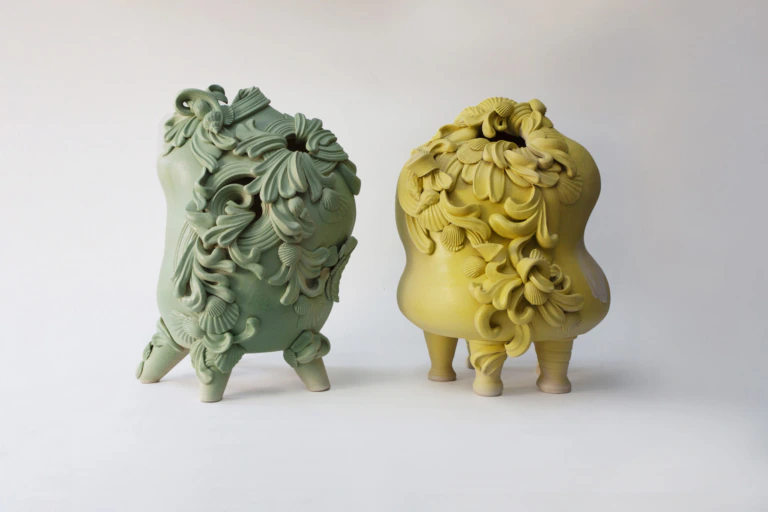
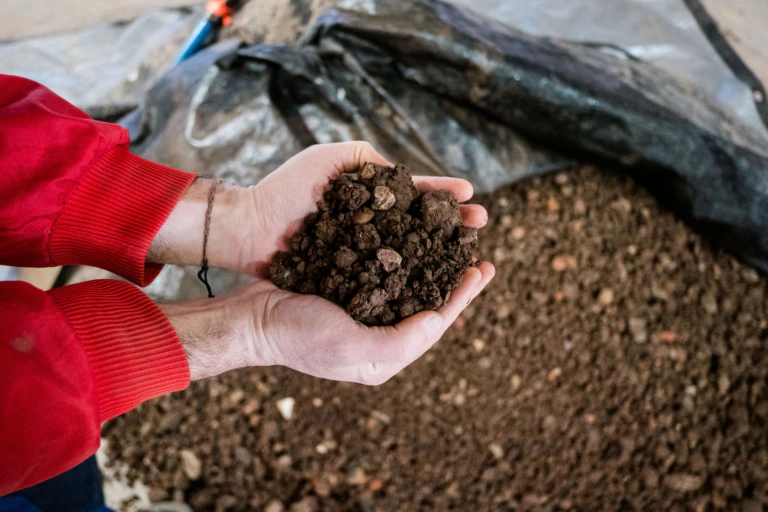
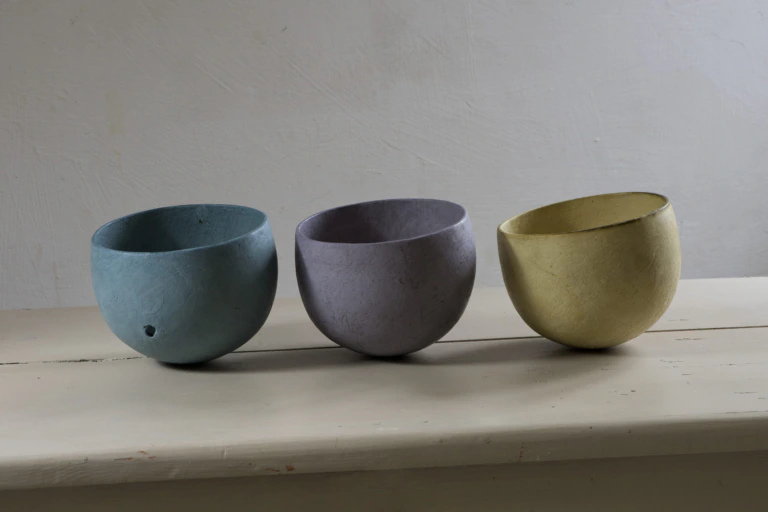
Examples of British Ceramics Biennial initiatives include Moulding Memories, a partnership project with Approach Staffordshire that provides support to residents of Stoke-on-Trent living with dementia. There is also Recast, which combines creativity, addiction recovery and clay. It is a collaboration between Stoke Recovery Service and the biennial and has been running since 2017.
The British Ceramics Biennial is an Arts Council England National Portfolio Organisation and is also supported by Stoke-on-Trent City Council and University of Staffordshire, alongside other funders and sponsors.
Highlights
Award, the biennial’s flagship exhibition brings together new work by 10 artists competing for a £10,000 prize. The artists are Kyra Cane, Fernando Casasempere, Noor Ali Chagani & Clio Lloyd-Jacob, Susan Halls, Leah Jensen, Charlotte Moore, Jane Perryman, Alison Rees, Daniel Silver and Jo Taylor.
Fresh features 25 early career artists from the UK and Ireland working in clay.
The People & Place Commission sees artist Josie Ko explore the role of Black women in Stoke-on-Trent in The Chimney Princess.
Playscape is an architecture project responding to the lack of adequate children’s play facilities in the central area of Stoke town. It is a collaboration between biennial associate artist Sarah Fraser, Tuckey Design Studio, rammed earth construction specialist Sami Akkach and University of Staffordshire architecture students.
Clay Films is a new element of the biennial programme, providing an open submission opportunity for Global Majority artists of African and Caribbean heritage based anywhere in the world who work in film and clay. Ten works have been selected for screening.
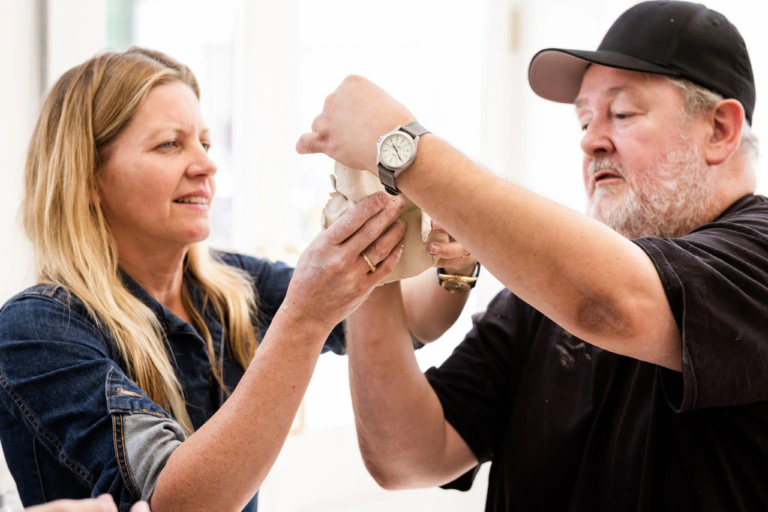
Comedian Johnny Vegas is unveiling a new body of work in collaboration with sculptor Emma Rodgers. Just Be There, described as an avenue of hugs captured in clay, was conceived by Vegas and created in collaboration with local people.