Museum sector bodies in the US have expressed alarm at the “growing threat” of censorship and political interference in museums from the Trump administration.
The American Alliance of Museums (AAM), the Organization of American Historians (OAH) and the American Association for State and Local History (AASLH) are among the organisations to speak out after the White House wrote to Smithsonian Institution secretary Lonnie Bunch last week ordering an internal review of the institution’s exhibitions and materials.
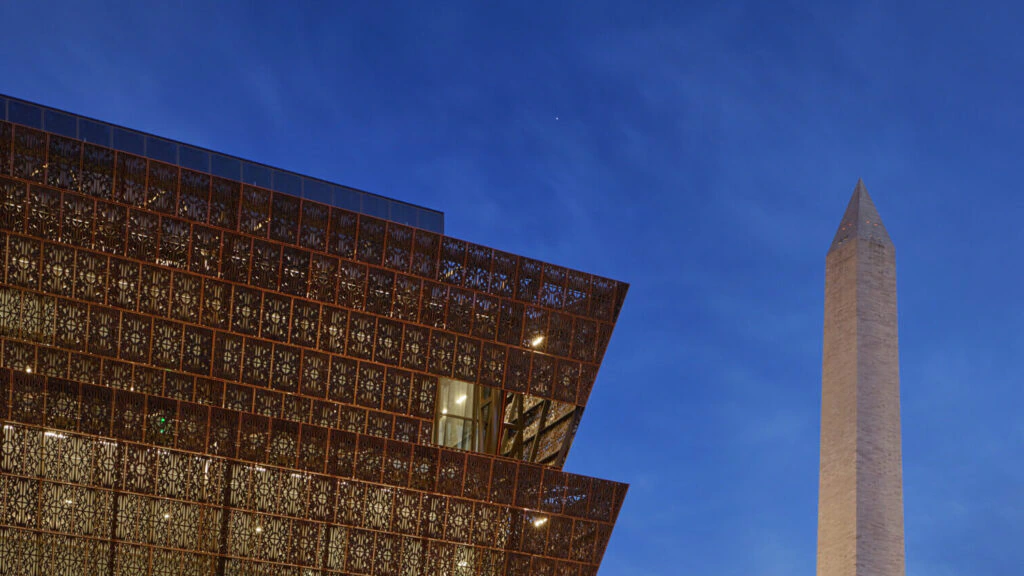
In its first phase, the review will evaluate content and policies at eight of the Smithsonian’s 21 sites: the National Museum of American History; National Museum of Natural History; National Museum of African American History and Culture; National Museum of the American Indian; National Air and Space Museum; Smithsonian American Art Museum; National Portrait Gallery; and Hirshhorn Museum and Sculpture Garden.
The review will look at public-facing content “to assess tone, historical framing, and alignment with American ideals”.
Curators and senior staff will be interviewed to explain more about their selection processes, while current and future exhibitions will be reviewed, particularly those planned for the 250th anniversary of the Declaration of Independence.
The review will include an “evaluation of how existing materials and collections are being used or could be used to highlight American achievement and progress, including whether the Smithsonian can make better use of certain materials by digitising or conveying to other institutions”, as well as “the development of consistent curatorial guidelines that reflect the Smithsonian’s original mission”.
Advertisement
The museums have been asked to provide materials to the White House team including exhibition plans and programmes, digital files of wall text and labels, touring exhibition schedules, and internal guidelines and governance documents.
The White House letter was signed by three senior assistants to the president: Lindsey Halligan, Vince Haley and Russell Vought.
The Smithsonian came under fire in July after removing a temporary placard referencing Trump’s two impeachments from a display at the National Museum of American History.
The institution later confirmed it had reinstalled the material, with some changes made to the previous text. It said the removal of the placard had been temporary and denied it had been pressured by the government to make changes to its exhibits.
Trump took aim at the Smithsonian again this week in a social media post, writing: “The Smithsonian is OUT OF CONTROL, where everything discussed is how horrible our Country is, how bad Slavery was, and how unaccomplished the downtrodden have been — Nothing about Success, nothing about Brightness, nothing about the Future.”
Sector response
The AAM issued a statement last week in response to what it described as the “growing threats of censorship against US museums”, in which it warned that the White House directives could “create a chilling effect across the entire museum sector”.
Advertisement
The AAM statement said: “In recent months, museums have faced increasing external pressures to modify, remove, or limit exhibitions and programs. People trust museums because they rely on independent scholarship and research, uphold high professional standards, and embrace open inquiry. When any directive dictates what should or should not be displayed, it risks narrowing the public’s window into evidence, ideas, and a full range of perspectives.
“This is not just a concern for select institutions. These pressures can create a chilling effect across the entire museum sector. Freedom of thought and expression are foundational American values, and museums uphold them by creating spaces where people can engage with history, science, art, and culture in ways that are honest, fact-based, and thought-provoking.
“We stand with the hundreds of thousands of museum professionals in the US who protect our heritage, conserve species, create unforgettable experiences, and serve their communities with integrity. We call on all who value our shared heritage to support the museum field in resisting censorship, so museums can continue to educate, connect, and inspire.”
The OAH expressed “deep concern and dismay” about the White House letter and said the president did not have the authority to impose such a review.
The statement said: “This correspondence and its underlying command represent an unacceptable instance of ongoing executive overreach, striking at the independence of one of our nation’s preeminent historical and cultural institutions.
“No president has the legitimate authority to impose such a review. Established by Congress in 1846 as a unique and independent agency, the Smithsonian Institution is not, and has never been, under the authority of the Executive Branch. It is an independent statutory agency, led by the Secretary and governed by a bipartisan Board of Regents as established by law.
Advertisement
“This legal structure is ignored by the letter, as the stated goals of the review are to “ensure alignment with the President’s directive to celebrate American exceptionalism, remove divisive or partisan narratives, and restore confidence in our shared cultural institutions.”
The OAH said the White House’s effort to assert control over the Smithsonian “constitutes an alarming infringement on the autonomy and integrity of this 179-year old distinguished institution” and asks the professionals working at the institution to “violate their ethics and their dedication to free and open historical inquiry”.
“The effort as outlined is divorced from the realities of an evidence-based, comprehensive telling of the U.S. past, and is part of an aggressive push to flatten American history into a narrowly conceived, unrepresentative, and simplified story.”
The OAH continued: “Across numerous surveys, a majority of Americans consistently say they want a full, honest, and unvarnished presentation of our nation’s history. This White House enterprise, therefore, is an affront to individuals across a wide spectrum of the American public who treasure their right to learn and think for themselves.”
The AASLH described the White House review as “an affront to our country’s cultural crown jewel, to history practitioners everywhere, and to the American people” and accused the Trump administration of “maligning the expertise and autonomy of an institution that represents the pinnacle of museum and scholarly practice”.
“This pressure on Smithsonian history museums, in particular, reveals the administration’s ambition to delegitimise the work of the history field and to rob the public of its ability to learn from the past,” continued the statement.
“Sound historical practice depends upon meticulous research of a wide array of sources, open-minded embrace of complexity and ambiguity, and a willingness to update understandings as new information arises.
“Time and again, Americans have said that they want our country’s full story. Censoring and manipulating content to fit a predetermined, triumphalist narrative is the antithesis of historical practice and a disservice to us all.”
'Inaccurate vision'
The AASLH criticised the government’s claims that its interference was rooted in a commitment to historical accuracy.
“This is false,” said the association. “Through speciously worded executive orders, incendiary speeches, mass layoffs, funding cuts, and more, the White House has launched a steady campaign to break down our nation’s historical infrastructure and remake it in service of an exclusive, inaccurate vision of America’s past and present.
“We urge both our field and our audiences to reject this effort and stand up for a full and honest approach to our shared story.”
Museum professionals in the UK have expressed solidarity with US colleagues following the latest developments.
Sharon Heal, the director of the Museums Association (MA), said: “The MA stands in solidarity with colleagues in the US in light of the unprecedented government interference in the sector. Museums across the world pride themselves on providing accurate information and we should resist attempts to influence interpretation and content by political organisations and governments.”
Writing on LinkedIn, Esme Ward, the director of Manchester Museum, said: “What’s happening at the Smithsonian is truly grim. Hope and solidarity to/with all the museum leaders and workers in the midst of it all.”