The Department for Culture, Media and Sport’s (DCMS) budget will be cut as a result of the government spending review announced on 11 June.
Total expenditure at the DCMS will be reduced by 1.4% over the spending review period from 2025/26 to 2029/29. This includes a 1.2% cut in resource spending (2025/26-2028/29) and a 2.8% cut in capital expenditure (2025/26-2029/30). The department’s administration budget will be cut by 15% by 2030.
The spending review document says: “Over the spending review period, DCMS will invest more than £2.9bn across its entire capital programme. This funding will safeguard and modernise much-loved cultural and heritage institutions in towns and cities, while expanding access to local sport and physical activity.”
The spending review document does highlight the government's commitment to funding culture and heritage, with reference to Arts Council England (ACE) as well as national museums.
It says: “Funding for the UK’s world-leading culture and heritage sector, with billions over the spending review period to fund celebrated institutions such as the national museums and galleries and organisations like ACE, which support local projects across the country and ensure that the best of British culture is accessible to all.”
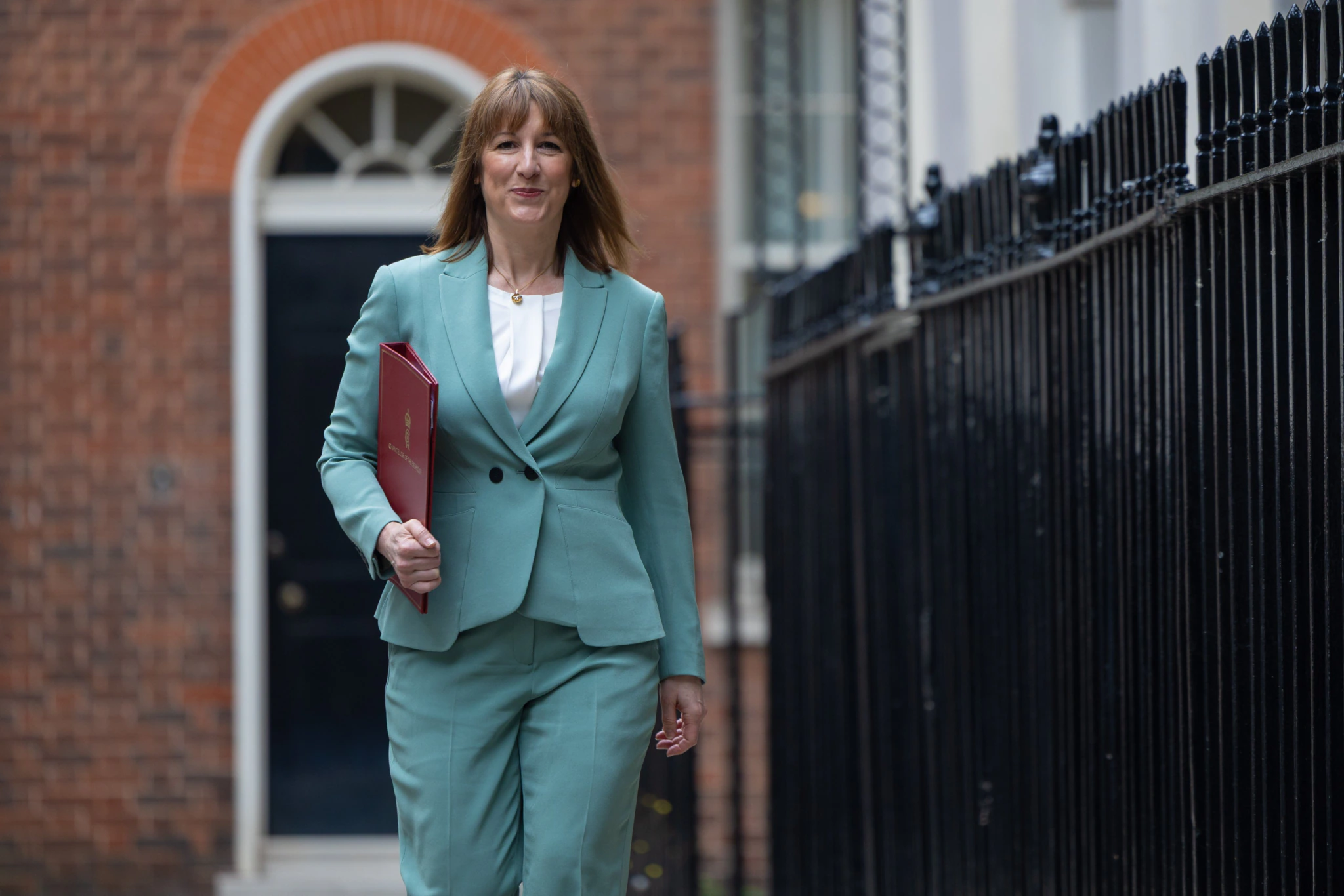
The spending review, which was present to parliament by chancellor Rachel Reeves, set planned day-to-day spending totals for all government departments for the years from 2026/27 to 2028/29, and investment spending plans for a further year (from 2026/27 to 2029/30).
Advertisement
Dormant Assets Scheme Strategy
In what was a mixed outcome for culture in the review, Reeves announced that young people in disadvantaged areas will be given better access to culture, arts and sport.
The money for young people is part of the government’s Dormant Assets Scheme Strategy, which allows unclaimed money to be used for the public good. Under this initiative, £440m will be given to social causes including £132.5m to support youth access to culture, arts, sport and safe spaces.
DCMS is keen to find out what role museums might be able to play in this.
A statement from the Museums Association said: “While we welcome the opportunity for museums to access the dormant assets fund this won’t compensate for the real-terms cuts to the department for culture’s budget.
"We await the details in terms of the settlements for national museum and ACE budgets but are concerned that at a time when museums are delivering for communities and against government agendas they face the prospect of more cuts and face financial uncertainty.”
Advertisement
Creative industries
The spending review also includes a commitment to increase funding for the creative industries as one of the government’s eight priority growth driving sectors.
Caroline Norbury, chief executive of Creative UK, said: "Worth £125bn to the economy, few sectors embody this message as strongly as the cultural and creative industries.
"[The] spending review confirms that while the sector is now firmly recognised for its strategic growth potential, and we look forward to seeing more detail in the upcoming Creative Industries Sector Plan.”
Devolved governments
Reeves also announced that the devolved governments of the UK will receive, on average, an additional £4.8bn per year for day‑to‑day spending between 2026‑27 and 2028‑29 and £930m capital between 2026‑27 and 2029‑30 through the operation of the Barnett formula. The chancellor said these settlements were the largest in real terms since devolution in 1998.
Advertisement
The government also addressed its plans for local government reorganisation in England as part of its commitments in the English Devolution white paper, which was published in December last year. The aim is to create simpler structures and stronger accountability, and improve the join-up between local services, enabling councils to deliver services more efficiently.
The government spending review confirmed that integrated settlements will be expanded to five further Mayoral Strategic Authorities, giving mayors a single pot to invest in growth and public services.
Arts and culture have played an important role play in the government’s devolution agenda and local growth plans.
Responding to the spending review, Louise Gittins, chair of the Local Government Association, which represents councils, said: “We will analyse the detail to assess the full impact on councils and communities. A recommitment to multi-year local government funding settlements is essential for financial planning while efficiency and innovation continues across local government.
"However, all councils will remain under severe financial pressure. Many will continue to have to increase council tax bills to try and protect services but still need to make further cutbacks. While government faced tough choices, future funding for adult social care is good news but a lack of significant extra government money needed to meet immediate pressures is worrying.”