The National Trust is calling on the government to invest more in the historic environment following research that shows how highly the British public value their local history.
The research, carried out with consultancy Public First, was UK-wide with an in-depth focus on Coventry. The resulting report, “There’s a Lot of History Here” – Local History, Local Heritage and Local Pride in Coventry and Across the UK, is part of the trust’s 10-year strategy, which includes a pledge to tackle unequal access to nature and culture.
The National Trust said the research shows that, despite concerns about communities becoming disconnected, people have pride in their local heritage and in the buildings, streets and landscapes around them which tell stories about their past, and provide continuity and connection.
But the trust argues that many of the UK's heritage assets are under threat due to financial pressures, staffing challenges and funding cuts. Despite some efforts to support local heritage, the level of funding remains insufficient.
The report makes recommendations for policymakers, heritage organisations and local authorities. These include giving more weight to heritage in planning, regeneration and local economic growth, and the need for a Safe Harbour Scheme to protect heritage assets at risk and address skills shortages in maintaining and restoring them.
John Orna-Ornstein, the director of access and conservation at the National Trust, said: "Heritage connects generations, shaping a shared sense of belonging and identity. It gives people a tangible link to the past, strengthening communities and deepening their connection to the places they call home. Preserving historic sites and celebrating local history is not just about safeguarding traditions—it’s about investing in the future of our communities.
Advertisement
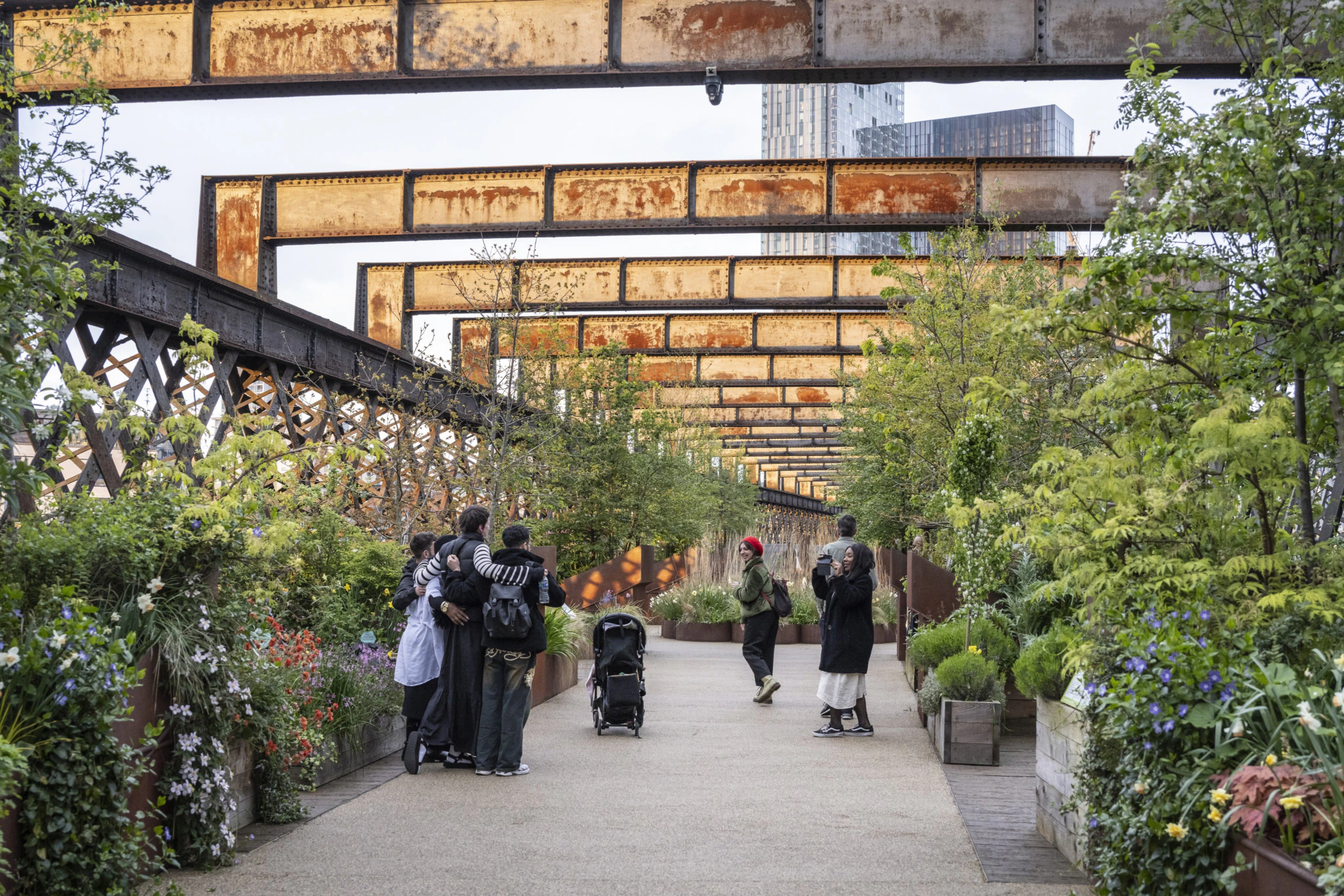
“The National Trust has witnessed increasing pleas for help from cash-strapped local authorities and community groups desperate to find solutions to save local heritage at risk. We have been working for example with local communities on ways to regenerate local heritage such as the restoration of Castlefield Viaduct in Manchester and with the opening of the Charterhouse in Coventry.”
Orna-Ornstein said that the focus on Coventry offered the chance to explore heritage pride and community cohesion in more depth.
“It is a city known for its multiculturalism and integration, and with a rich and diverse history, from its medieval origins to its industrial innovations and wartime resilience,” he said. “The findings of the report nationally, however, reveal that many of the views of people in Coventry are the same as those in the UK population.
“The government has declared a commitment to national renewal, and our research helps support other findings that for this to happen the huge potential for heritage must be recognised – for example, the role that the regeneration of historic buildings can play in addressing the housing crisis.”
The report’s research was conducted across the UK, involving 2,022 adults, earlier this year. The results were weighted to be representative of the UK population based on age, gender, socio-economic grade, and region.
The in-depth qualitative and quantitative research specifically on Coventry included 70 in-depth interviews with Coventry residents, a focus group of younger working-age people, and a local poll of 300 Coventry adults.