Norwich Castle Museum is on course to acquire the first archaeological find protected by a recent amendment to the Treasure Act.
The legislation was reformed in 2023 to expand the definition of “treasure”, enabling museums to acquire significant finds that fell outside the scope of the original act. The amendment came in response to a surge in metal detecting, which has driven record numbers of finds in recent years.
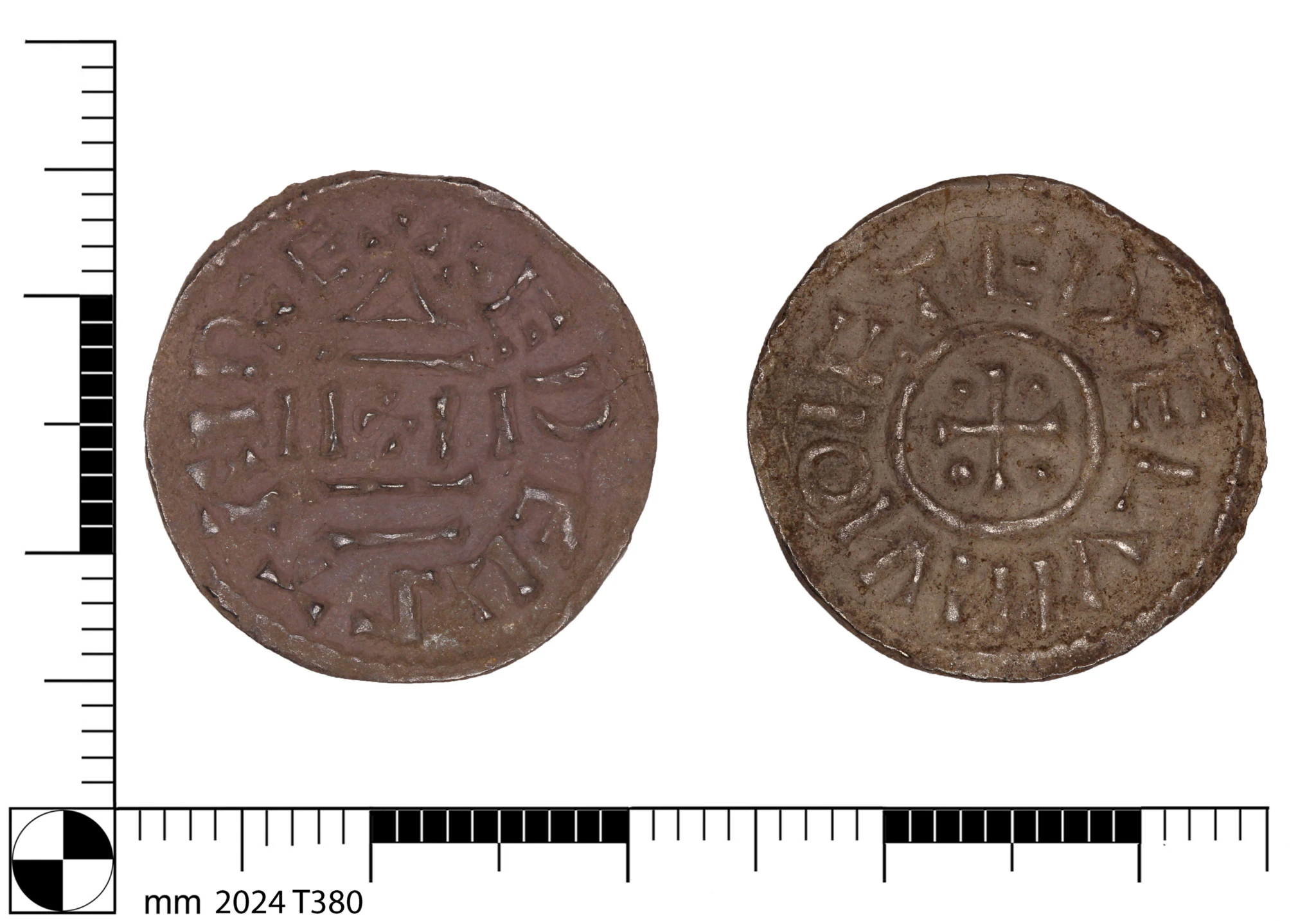
The museum is hoping to collect an early medieval silver penny minted in the name of Æthelstan, the baptismal name of the Viking leader, Guthrum of East Anglia. The coin is believed to have been created around 879, making it the earliest known coin minted by a Scandinavian ruler in England.
Under the previous iteration of the Treasure Act, silver coins could only be declared treasure if two or more were found in the same place, but the legislation now recognises exceptional finds over 200 years old – regardless of material composition – that provide an important insight into the country’s heritage.
The development was announced by Michael Lewis, head of the Portable Antiquities Scheme (PAS) and Treasure at the British Museum, at the launch of the PAS and Treasure annual reports this week.
The latest annual report for the PAS, covering 2023, shows a sharp increase in the overall number of archaeological finds reported under the scheme, with 74,506 reported that year compared to 53,490 in 2022.
Advertisement
The latest figure is the highest number of archaeological finds ever to be reported in a year by the public in England, Wales and Northern Ireland.
According to the report, the vast majority of objects (94%) were found by people metal-detecting. Most finds (94%) were made on cultivated land where they might otherwise have been lost to ploughing and farm activity.
Somerset had the highest number of reported finds, at 6,849, with much of this figure down to the discovery of a large hoard of around 5,500 Roman coins. Lincolnshire and Norfolk contributed 6,674 and 6,315 finds respectively, while 4,254 finds were reported in Suffolk and 3,873 in Gloucestershire. Bedfordshire reported the lowest number of finds, at 249.
Roman finds accounted for the highest number of discoveries (45% of finds) followed by post-medieval (26%) and medieval (20%).
The Treasure Annual Report for 2022 was also published this week, outlining details of 1,377 Treasure finds recorded that year. Norfolk held the title of the most treasure finds, with 95 finds comprising more than 170 objects being reported in the county.
A number of significant treasure discoveries were displayed at the launch of the annual reports, including a bronze age hoard, found in Urchfont, Wiltshire, that has caused a stir among archaeologists as it features a number of unusual items, including an anvil.
Advertisement
British Museum director Nicholas Cullinan said the find was an example of responsible metal detecting; upon making the discovery, the finder stopped digging to alert the local finds liaison officer, allowing the hoard to be blocklifted out of the ground.
“It could easily be mistaken for modern agricultural equipment, if not seen in context and excavated in our conservation studios,” said Cullinan.
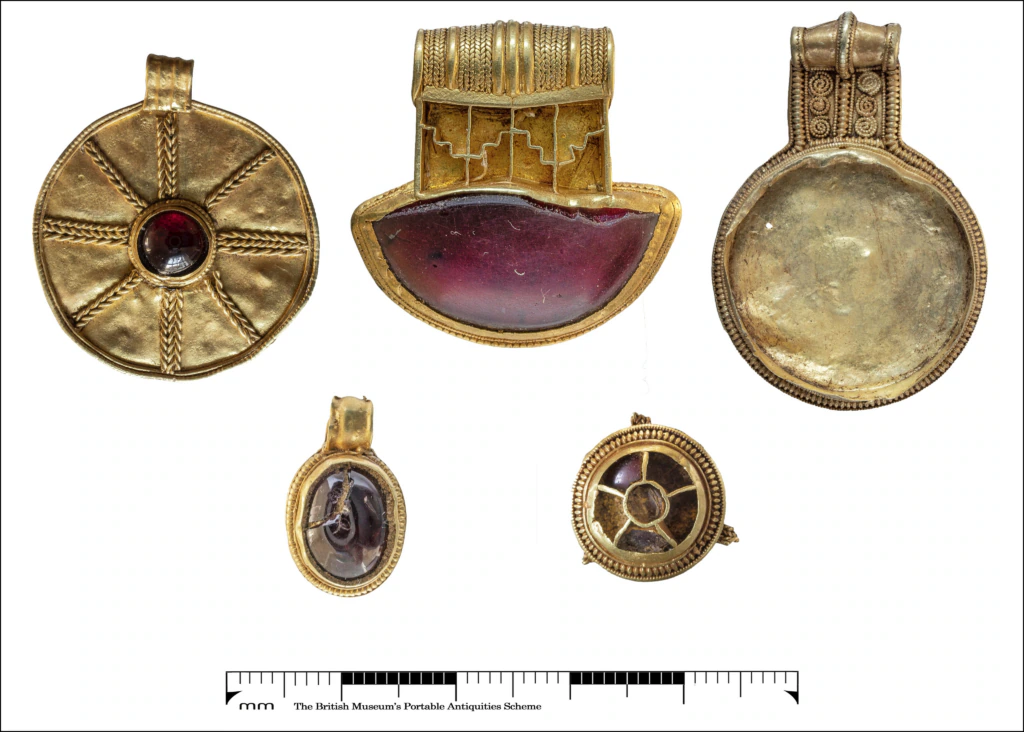
Another spectacular find was an assemblage of gold jewellery with garnish settings dated to the 7th century, which was discovered near Donington on Bain in Lincolnshire. The objects are thought to have been owned by a high status Anglo Saxon woman and buried her with her when she died.
Also on display at the launch event was a post-medieval gold signet ring found in central Bedfordshire featuring a phoenix, a symbol linked to the reign of Elizabeth I.
“It’s exciting to see such a positive year for the Portable Antiquities Scheme, with a record number of finds reported – and some stunning new objects on display,” said Cullinan.
Advertisement
“This success is a testament to the hundreds of metal detectorists who contribute their time to making these valuable discoveries - and then report their finds to us. The work of the finders, volunteers and finds liaison officers has created the largest database of its kind, providing a wealth of information to the public on their nation’s history.”
Lewis added: “2023 was an incredibly successful year for the Portable Antiquities Scheme and it is great to see such a high number of finders, showing us their discoveries to advance our knowledge of Britain’s past. Over 70,000 archaeological items were recorded onto the PAS database. Although finders are required to report Treasure, most of these finds are reported on a voluntary basis, which makes this a truly remarkable contribution.”
The PAS is taking steps to build a closer relationship with the metal detecting community. This year’s annual reports will be circulated by Treasure Hunting magazine, while the PAS database is also being rebuilt.
The PAS is a partnership between the British Museum and Amgueddfa Cymru – Museum Wales. It is funded in England by the Department for Culture, Media and Sport.