
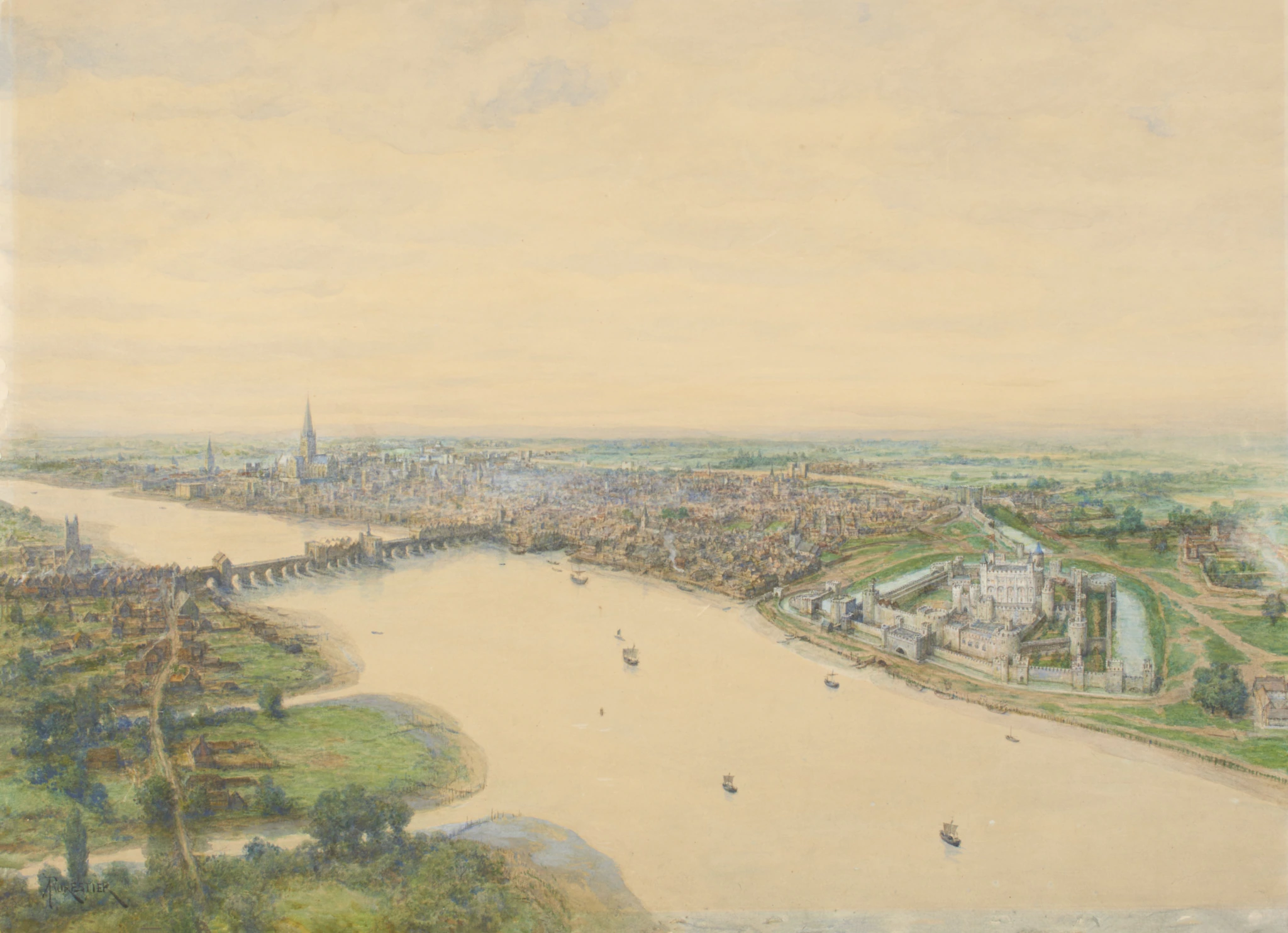
Museum and heritage professionals have been responding to claims by MPs that “woke archaeology” is damaging public trust.
The row began following the publication of a peer-reviewed bioarchaeological research study in November by the Museum of London examining the ethnicity of 14th-century plague victims.
From a sample of 145 skeletons taken from London plague cemeteries, the museum’s researchers concluded that Black women of African descent were more likely to die of plague. While acknowledging the small research sample, the team said that these higher death rates may show the impact of “premodern structural racism”.
The report’s findings were criticised by some politicians and commentators, including the business and equalities secretary Kemi Badenoch, who subsequently wrote to the museum with her concerns.
Posting on X (formerly Twitter), Badenoch described the study as “unreliable and the headline inaccurate and alarmist” and said it risked damaging trust in healthcare among ethnic minority communities.
She likened the research methodology to the descredited practice of phrenology, and added that organisations are using “misleading race statistics to alarm ethnic minorities and whip up tensions around history and racism”.
Advertisement
In the House of Commons last week, Conservative MP Philip Hollobone asked Badenoch to “ensure that such sensationalist research findings and woke archaeology have no impact at all on current health and pandemic policy”.
Badenoch replied: “I agree with my honourable friend that this type of research is damaging to trust, to social cohesion and even to trust in health services. I have written to the director of the Museum of London to express my concern.”
The accusation of “woke archaeology” has been met with bemusement by museum and heritage professionals.
Corinne Fowler, director of the Colonial Countryside project, wrote: “Unprecedented times: first use of ‘woke archaeology’ in parliament. Am pleased to reassure Kemi Badenoch that research into a 700-year-old plague is A. unlikely to undermine minoritised groups' trust in the NHS. B. be noticed by many unless mentioned by MPs.”
The row has ignited a debate in the heritage sector about the nature of historical research. Further criticism of the study came from a widely circulated blog by the author and commentator Ian Leslie, who described the research as “bullshit” and wrote: “Whole fields of historical study seem to have turned into competitions for who can generate the most eye-catching narrative of identity-based injustice, and if that means making blatantly implausible empirical claims, so be it. To me this seems a very bad thing for the authority of history as a discipline.”
In a rebuttal to Leslie’s claims, a blog posted on Medium by an anonymous academic historian criticised Leslie for not reading the full research study and added that he appears to “conflate historical research with opinion polling”.
Advertisement
“While nice to have a ‘smoking gun’, much historical scholarship lacks this. Historical evidence is typically fragmentary,” the blog writes. “Historians arrange what they uncover to make innovative, speculative arguments about what happened in the past. It is then left to other historians to agree or disagree, and deliver their own evidence and interpretation to the table...
"[Leslie] thinks of historical journals as being like a courtroom in a criminal trial, where the evidence presented must be of the highest standard to secure a criminal conviction."
The Museum of London has not commented on the row.
Research methodology
The research team drew its conclusions by examining data on the bone and dental changes of 145 individuals from East Smithfield emergency plague cemetery, St Mary Graces and St Mary Spital.
This primary data was then examined by applying a forensic anthropological method, known as macromorphoscopics, to establish an individual’s ancestry by looking at the shape of their facial bones and other features of their skull.
Forty-one individuals were identified as having died of the plague, and out of 19 female victims, four were found to have likely been of mixed heritage and three of African descent.
Nothing wrong with the research subject itself, it was the conclusions drawn from the results of the research which were wrong, as those conclusions were not based on logic, they were pure speculation in fact, viz the crazy statement that the results may indicate “premodern structural racism”. The London Museum should now disown the conclusions. And yes it amounts to unscientific woke archaeology