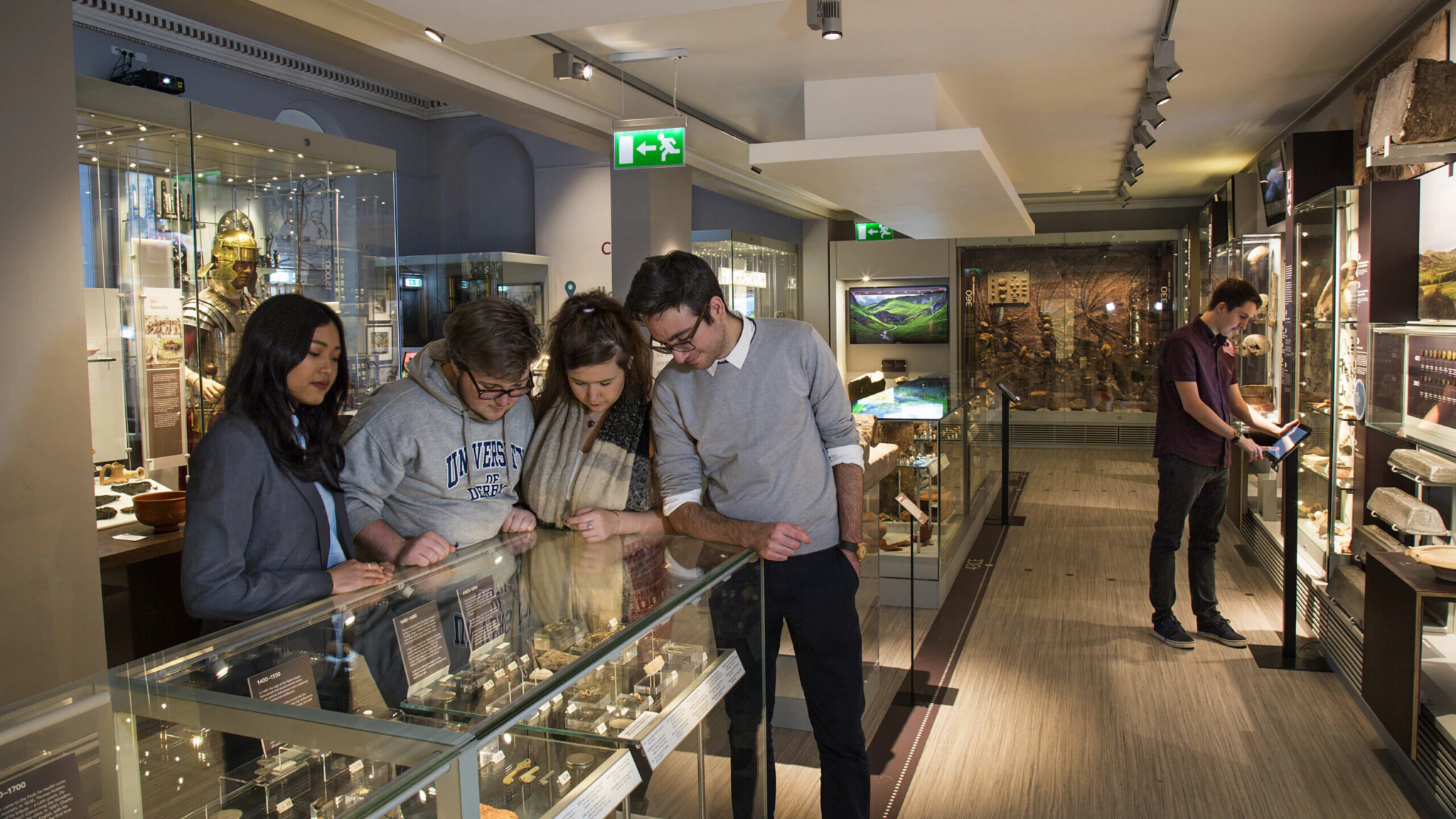
Buxton Museum and Art Gallery in Derbyshire is facing an uncertain future after it was forced to close in June following the discovery of dry rot in the building.
The museum, which is fully funded by Derbyshire County Council, is awaiting structural investigations to determine the extent of the problem.
Museums Journal understands that the remedial works needed are likely to be significant. Local residents have raised concerns that the temporary closure could turn into a permanent one as the council cuts costs.
A council spokeswoman told Museums Journal that no decision will be taken about the museum’s future or its budget until the extent of the structural damage is known.
The council has said that it is committed to supporting the museum and securing its long-term future.
In a statement earlier this year, council leader Barry Lewis said: “While it has been completely necessary to temporarily close Buxton Museum and Art Gallery to allow investigations to take place, and we know how disappointing and frustrating this is, I can assure people that there is absolute commitment to supporting the museum and securing the long-term future of its collections.
Advertisement
“A lot of work is going on behind the scenes currently, but only when the internal investigation work is completed will we be clearer as to the building’s condition and what it might entail to rectify the issues.”
Lewis added: “We fully acknowledge the importance of the service’s presence in Buxton and will do all we can to protect this valuable asset. We are exploring all the options available to us, but unfortunately there is no quick fix.”
The museum is currently in the process of decanting its collections ahead of structural investigations. The affected areas include the Wonders of the Peak exhibition and the Boyd Dawkins Study room. Objects from those areas will be retained in parts of the building unaffected by dry rot.
The council spokeswoman said: “Limited public access is being provided for research, and the service is exploring options such as loans to neighbouring museums while the museum is closed. We are also investigating the possibility of a pop-up museum in the town centre.”
The council said the museum’s full workforce has been retained since the closure, apart from the voluntary departure of one staff member. “No decision will be made about the workforce until we better understand the building’s structural issues,” she said.
The council has so far spent just over £4,000 on additional costs associated with the closure, plus an external grant of £2,000 on professional advice. The timescale and cost of remedial works will not be known until investigations are completed.