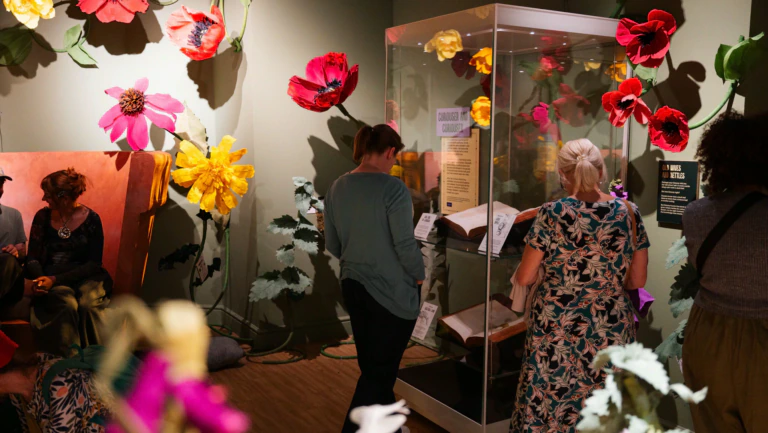
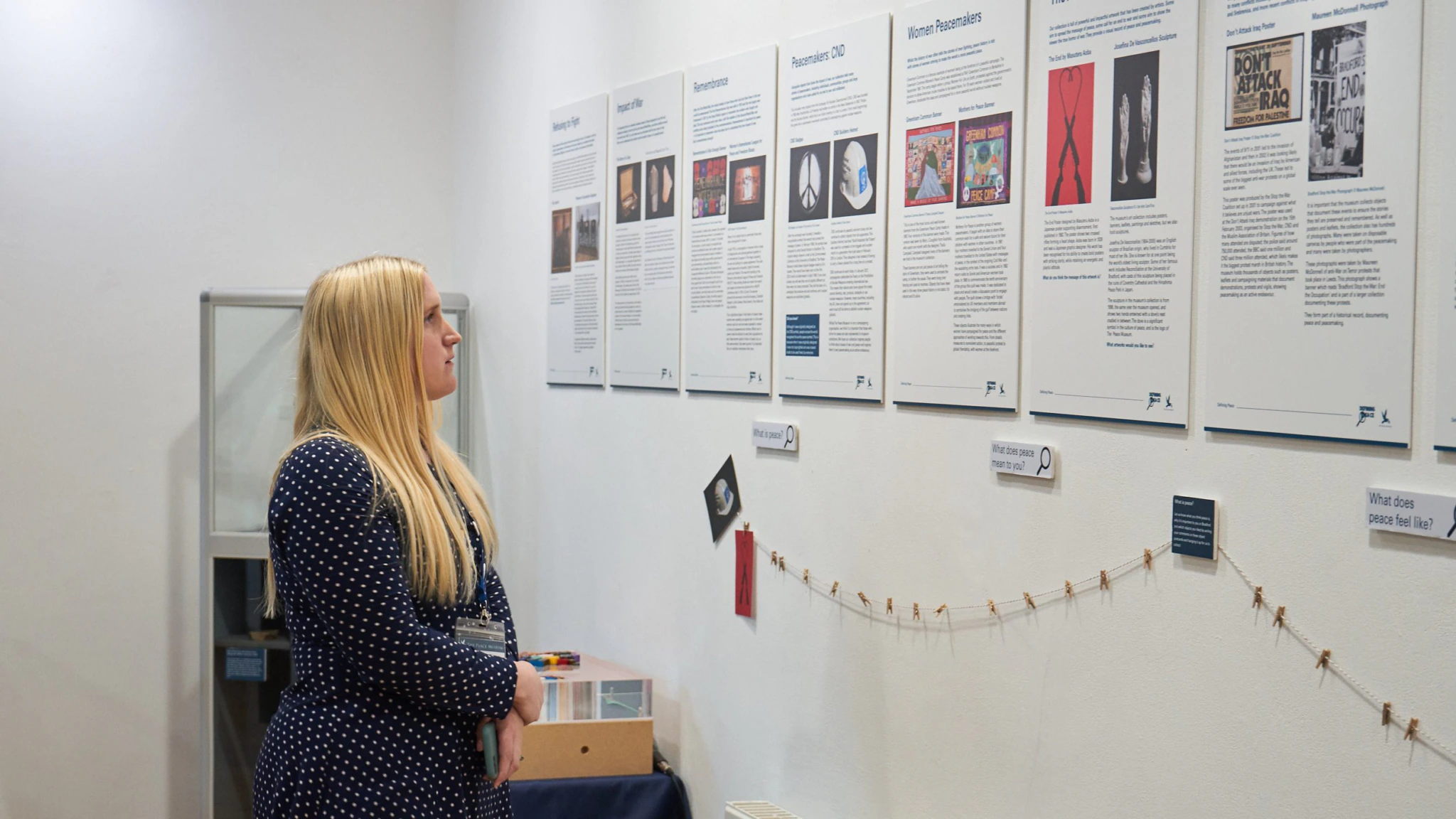
The Peace Museum in Bradford has confirmed that it will reopen in the Unesco World Heritage Site of Saltaire next summer.
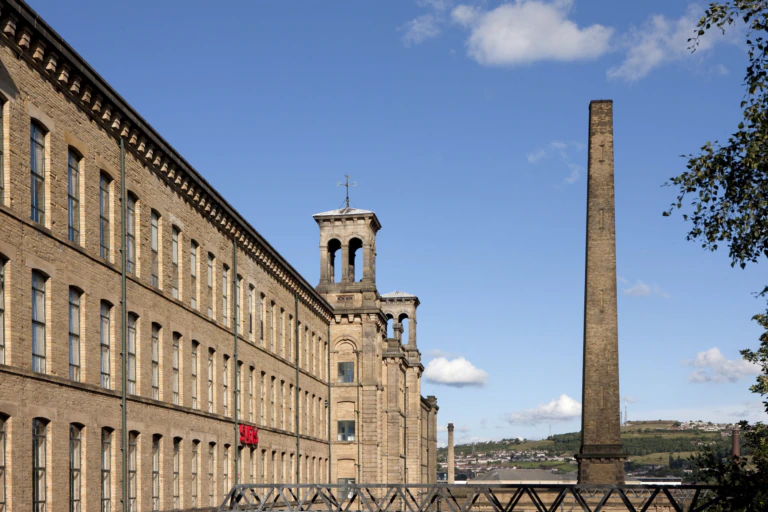
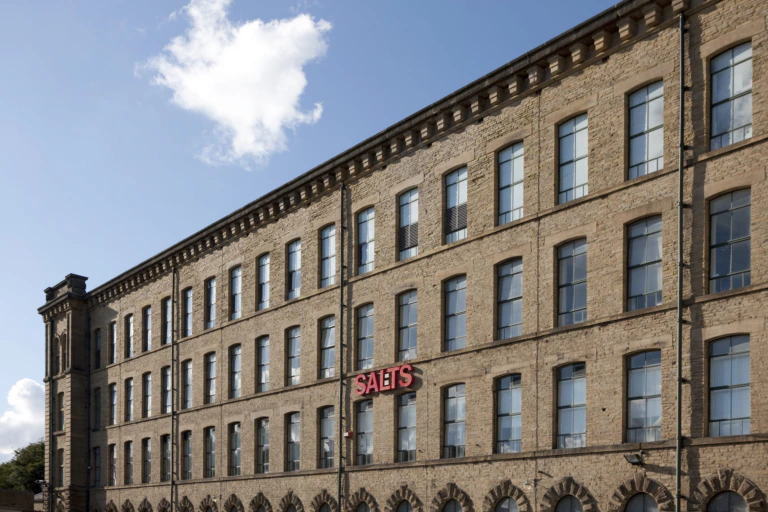
The move is supported by a £245,651 grant from the National Lottery Heritage Fund, and will see the museum’s collections transferred to the historic Salts Mill located on the outskirts of the city.
The former textile mill has been run as an art centre since the 1980s, showcasing many of David Hockney’s artworks. A major tourist attraction, the building includes cafes, book shops and exhibition space.
“This project will be transformational for the Peace Museum,” said Clive Barrett, the museum's chair of trustees. “We’re delighted to have received this support thanks to National Lottery players, and so excited to have the opportunity to make the history of peace accessible to everybody.
“This is particularly exciting in light of Bradford receiving City of Culture for 2025, as we'll be able to welcome visitors from all over the world to our brand new museum in the heart of the district.”
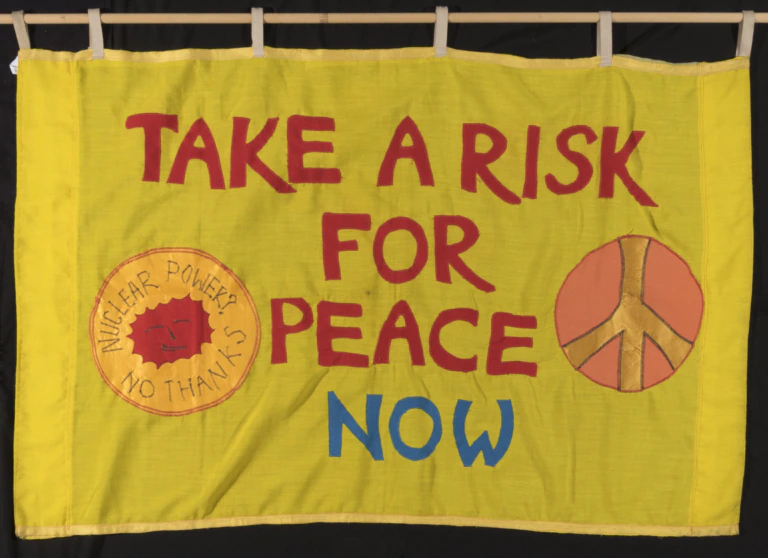

The Peace Museum is the only museum in the UK dedicated to peace. It opened in 1998 in Piece Hall Yard in Bradford city centre, but has struggled with accessibility issues and lack of space to display its extensive collection. It is currently closed to the public as it prepares for the move.
Advertisement
Shanaz Gulzar, the creative director of Bradford 2025 UK City of Culture, said: “Bradford is a city of peace and we're so excited that the Peace Museum is opening again, increasing access to its incredible collection. This is a huge opportunity to celebrate and share our district's diverse history of social reform – with our communities and with visitors from around the world, in the year 2025 and beyond.”
Once opened, the Peace Museum will focus on creating engaging and accessible exhibitions, and developing a dedicated learning space.
Salts Mill and the village of Saltaire were built by the Sir Titus Salt, a leading industrialist in the Yorkshire woollen industry, in the 1850s. It was designated a World Heritage Site by Unesco in 2001.