A memorial honouring the victims of the transatlantic slave trade is to be built at West India Quay in east London.
Expected to be unveiled by summer 2026, the memorial will stand close to where the statue of slave trader Robert Milligan stood before it was removed following the Black Lives Matter protests of 2020.
London mayor Sadiq Khan has committed £500,000 to the monument, which will memorialise those who were enslaved and the impact of slavery on generations of Black communities, as well as recognising London’s fundamental role at the heart of the slave trade.
The project has been developed by the Mayor’s Commission for Diversity in the Public Realm, an initiative set up to review and improve the diversity of statues, sculptures and other public landmarks across the city. The commission will work with communities this summer to develop an artistic brief for the memorial.
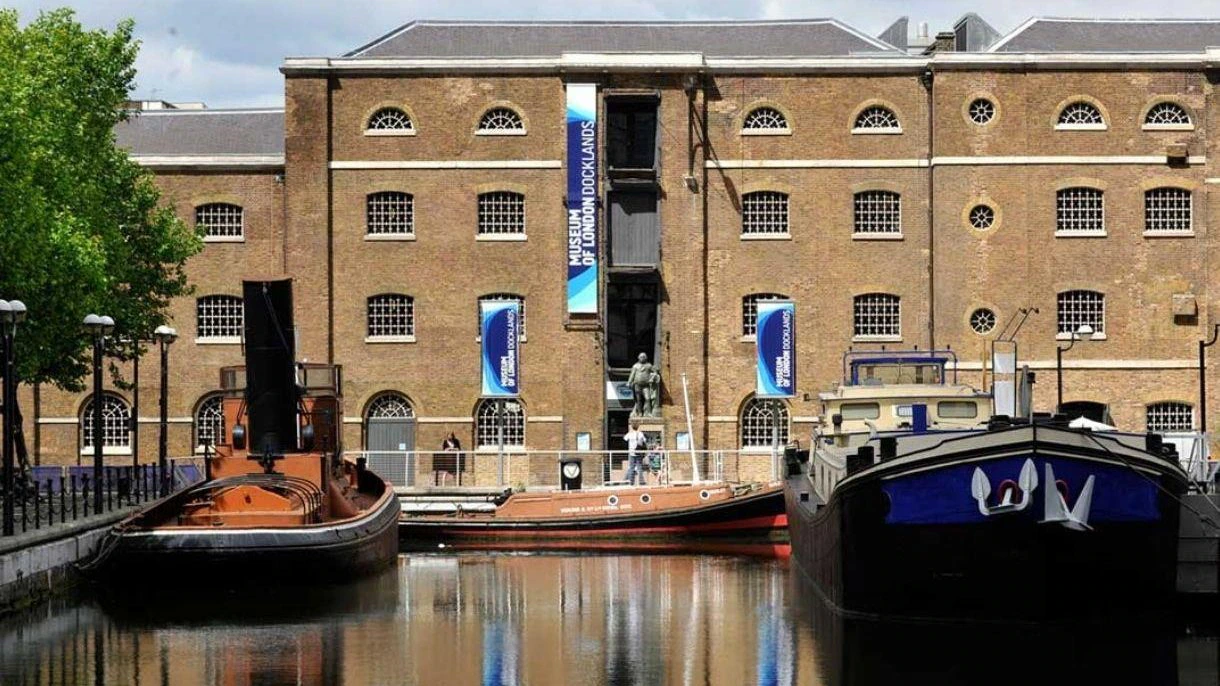
The monument will be situated beside warehouses built to receive the products of slavery – the only surviving buildings of their kind in London – and close to the Museum of London Docklands, which explores the history and legacies of transatlantic slavery in its London, Sugar and Slavery gallery.
The museum will be a key partner in developing an education programme linked to the new memorial, working with other community and heritage organisations including the Canal & River Trust.
Advertisement
While there are other monuments that recognise the abolition of the slave trade, the new memorial will be the first in the UK of its scale and profile to reflect the experiences and the resistance of enslaved people. A number of satellite sites will also be created to connect with different stories of slavery across the UK capital.
Binki Taylor, a founder of the Brixton Project community organisation, and member of the mayor's commission, said: “Announcing this site is another powerful step in recognising and remembering the pain and resistance of all those that suffered the violence of the transatlantic slave trade, in a city which had such a significant role in it. To bring further into the public consciousness, the lasting trauma for many communities – a legacy that is built into this city and country.
“Announcing the site is also just the start of a journey, that will involve many who already have contributed so much to raising awareness of this history, and other Londoners, who will shape an empowering and lasting monument fit for the future.”
Douglas Gilmore, managing director of the Museum of London Docklands, said: “At the Museum of London Docklands, we explore the history of the port, river and city and how these shaped London and the world we live in today. The transatlantic slave trade is intrinsic to this story, and as home to one of only three permanent galleries in the UK dedicated to this history, we’re delighted to be working with the mayor of London to support educational initiatives around the new memorial.”