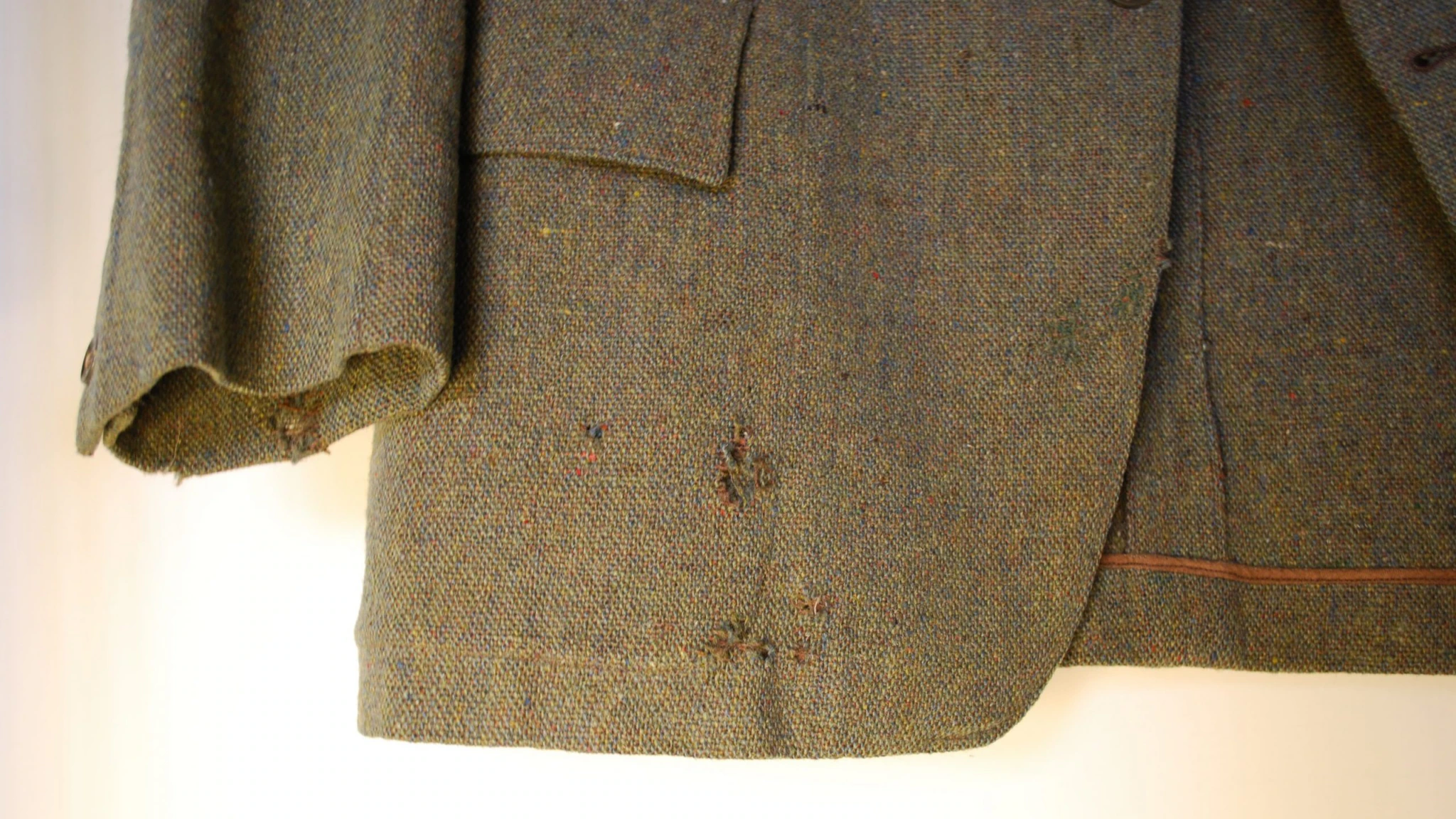
Clothes moth numbers fell sharply at National Trust properties last year, according to the conservation charity’s annual insect pests report.
The trust says the 39% drop in webbing clothes moths, which can cause serious damage to carpets, upholstery, taxidermy and woollen or silk objects, was probably due to period of record heat and drought in 2022.
Assistant national conservator Hilary Jarvis, who compiles the annual pest report, said: “This was surprising news. We had thought climate change would be a boon for this moth, which originates from South Africa and is no stranger to heat.
“But changing weather patterns are challenging our thinking. Was it simply too hot – and perhaps more importantly, too dry – for these particular moths to thrive in the warmest year on record?”
Jarvis said there were probably a number other factors at play, such as the extra work to tackle moths by National Trust house teams after an alarming 18% surge in moths in 2021. There could also be a natural rebalancing underway, Jarvis added, with predators and diseases catching up with a burgeoning moth population, or a shortage of food and space for them.
The National Trust’s annual pests report paints a picture of insect activity at historic properties across England, Wales and Northern Ireland, helping the charity protect the more than one million objects in its care.
Advertisement
Overall, the report found insect pest numbers fell 3% last year, continuing their decline since the lockdown-driven insect pest boom of 2020. However, many houses recorded high numbers of ‘woolly bear’ (carpet beetle larvae which feed on silk, wool, fur and feathers) while silverfish (lepisma saccharina) jumped 14% to the number one slot, possibly as part of a recovery from a steady decline since 2019.
Silverfish, which feed on books, paper and cotton, continue to be more common in the east of England, possibly due to drier weather forcing them indoors in search of damp foodstuffs.
The data also show that the two main breeding seasons for insect pests appear to be merging.
“Traditionally we’ve been used to two distinct spring and summer breeding periods, one often more productive than the other. But certainly with our indoor insects we’re noticing a waning difference," Jarvis said. "This seems to echo the increasingly protracted warmer weather we’re seeing these days, with earlier springs heralding a summer that often extends into a longer, mild autumn.
“Are the two periods morphing into one long breeding season for our indoor pests? If breeding was to happen anytime between late February and October, that’s potentially concerning and would certainly put more pressure on our house conservation teams.”
The National Trust looks after more than 250,000 hectares of countryside, 780 miles of coastline and 500 historic properties, gardens and nature reserves.
Five most prevalent insect pests in 2022 at National Trust properties:
- Silverfish (Lepisma saccharina)
- Webbing clothes moth (Tineola bisselliella)
- Booklice (Liposcelis bostrychophila)
- Woolly bear (carpet beetle larvae)
- Australian spider beetle (Ptinus tectus)