More than 30 per cent of staff working in hubs are on fixed-term contracts, according to the Renaissance in the Regions review of 2001 2008, Realising the Vision, which was published last month. And the report goes on to say that this does not bode well for Renaissance's sustainability.
Short-term contracts affect all areas of the museum and gallery sector. Analysis of jobs that have been advertised in Museums Journal in the first six months of this year showed that over 40 per cent of them were for fixed-term contracts.
As it stands now with Renaissance in the Regions budgets confirmed until 2011, staff are largely secure until April that year. It will be around that time, say hub leaders, that staff start to ask about their future at a particular museum or gallery.
But complications arise when the budget sign-off is delayed, as it can mean staff being left in limbo. As a result of this, continuity and retention of those on short-term contracts is often difficult, with the pursuit of the permanent contract high on many people's agenda.
One director at a hub museum says senior staff are having to think very carefully about the responsibilities and liabilities of employers in relation to fixed-term contracts. After one to two years of service, those who are on fixed-term contracts get the same rights as permanent employees. Although the funding stream may disappear, the museum or council, as the employer, is left with an employee who still needs to be paid.
Becoming more informed about employment law has become a priority for directors and councils. Most local authorities have redeployment policies in place, so a post must be found for the employee. This is the situation that one local authority museum is currently in - trying to manage unfunded posts.
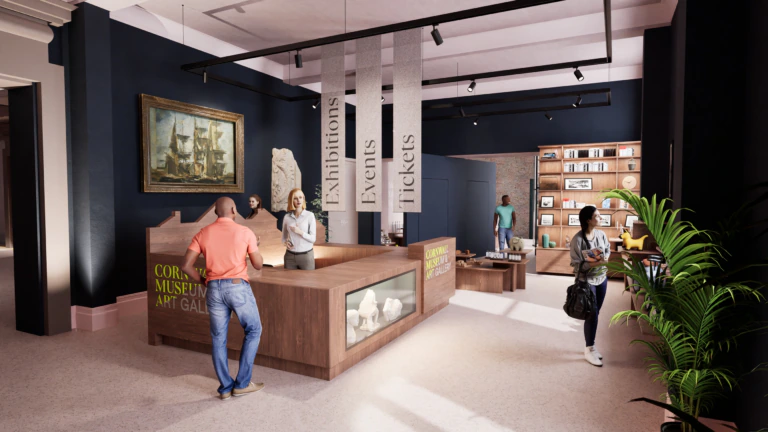
According to Museum, Libraries and Archives Council figures for 2007-08, Yorkshire has the smallest percentage of hub staff on fixed-term contracts. The North East and the South West have the highest (see table below). Sixty per cent of the funding at Royal Cornwall Museum in Truro, in the South West, came from Renaissance.
After a 40 per cent drop in its Renaissance funds this year, it has had to cut staff by a third. The staff there believe it is a taste of things to come for other phase one hub museums.
For the Royal Cornwall, which before Renaissance was in desperate need of education, front of house and visitor services staff, the benefit of the Renaissance funding has been palpable, which makes recent cuts all the more noticeable.
"It has bitten us harder and quicker," said Hilary Bracegirdle, the director of the Royal Cornwall Museum. "And we don't have the cushion of a local authority."
Short-term contracts were around long before Renaissance came on the scene. Some might argue that a sector highly dependent on project funding should be used to it by now. And in the current financial climate, short- termism will become increasingly common.
Rita McLean, the director of Birmingham Museums and Art Gallery, says she doesn't see short term contracts as a problem. It's a creative way of working, she says, and can help to broaden the expertise and experience of staff. Some thrive on such contracts, but others worry about their future, breathing a sigh of relief each time they re-sign.
Many accept the idea of project funding for the sector and regards it as "a fact of life", says a member of the South West hub. But Nick Dodd, the director of Museums Sheffield, says permanency of funding for Renaissance in the Regions is the only way forward.
"I'd like to think it's something where hubs have demonstrated their worth to the nation," Dodd says. "We are completely different institutions compared to five years ago. To do something other than grant-in-aid is likely to lead to privation in the sector."
Short-term contracts affect all areas of the museum and gallery sector. Analysis of jobs that have been advertised in Museums Journal in the first six months of this year showed that over 40 per cent of them were for fixed-term contracts.
As it stands now with Renaissance in the Regions budgets confirmed until 2011, staff are largely secure until April that year. It will be around that time, say hub leaders, that staff start to ask about their future at a particular museum or gallery.
But complications arise when the budget sign-off is delayed, as it can mean staff being left in limbo. As a result of this, continuity and retention of those on short-term contracts is often difficult, with the pursuit of the permanent contract high on many people's agenda.
One director at a hub museum says senior staff are having to think very carefully about the responsibilities and liabilities of employers in relation to fixed-term contracts. After one to two years of service, those who are on fixed-term contracts get the same rights as permanent employees. Although the funding stream may disappear, the museum or council, as the employer, is left with an employee who still needs to be paid.
Becoming more informed about employment law has become a priority for directors and councils. Most local authorities have redeployment policies in place, so a post must be found for the employee. This is the situation that one local authority museum is currently in - trying to manage unfunded posts.
According to Museum, Libraries and Archives Council figures for 2007-08, Yorkshire has the smallest percentage of hub staff on fixed-term contracts. The North East and the South West have the highest (see table below). Sixty per cent of the funding at Royal Cornwall Museum in Truro, in the South West, came from Renaissance.
After a 40 per cent drop in its Renaissance funds this year, it has had to cut staff by a third. The staff there believe it is a taste of things to come for other phase one hub museums.
For the Royal Cornwall, which before Renaissance was in desperate need of education, front of house and visitor services staff, the benefit of the Renaissance funding has been palpable, which makes recent cuts all the more noticeable.
"It has bitten us harder and quicker," said Hilary Bracegirdle, the director of the Royal Cornwall Museum. "And we don't have the cushion of a local authority."
Short-term contracts were around long before Renaissance came on the scene. Some might argue that a sector highly dependent on project funding should be used to it by now. And in the current financial climate, short- termism will become increasingly common.
Rita McLean, the director of Birmingham Museums and Art Gallery, says she doesn't see short term contracts as a problem. It's a creative way of working, she says, and can help to broaden the expertise and experience of staff. Some thrive on such contracts, but others worry about their future, breathing a sigh of relief each time they re-sign.
Many accept the idea of project funding for the sector and regards it as "a fact of life", says a member of the South West hub. But Nick Dodd, the director of Museums Sheffield, says permanency of funding for Renaissance in the Regions is the only way forward.
"I'd like to think it's something where hubs have demonstrated their worth to the nation," Dodd says. "We are completely different institutions compared to five years ago. To do something other than grant-in-aid is likely to lead to privation in the sector."
How the numbers on fixed-term contracts add up (2007-08)
Yorkshire
Full-time %
Fixed-Term: 8.3
Permanent: 91.7
Part-time %
Fixed-Term: 8.5
Permanent: 91.5
East Midlands
Full-time %
Fixed-Term: 9.1
Permanent: 90.9
Part-time %
Fixed-Term: 46.6
Permanent: 53.4
East of England
Full-time %
Fixed-Term: 17.1
Permanent: 82.9
Part-time %
Fixed-Term: 46.7
Permanent: 53.3
North West
Full-time %
Fixed-Term: 19.8
Permanent: 80.2
Part-time %
Fixed-Term: 39.4
Permanent: 60.6
South East
Full-time %
Fixed-Term: 29
Permanent: 71
Part-time %
Fixed-Term: 37
Permanent: 63
West Midlands
Full-time %
Fixed-Term: 32.8
Permanent: 67.2
Part-time %
Fixed-Term: 44.1
Permanent: 55.9
South West
Full-time %
Fixed-Term: 36.5
Permanent: 63.5
Part-time %
Fixed-Term: 49.1
Permanent: 50.9
North East
Full-time %
Fixed-Term: 42.5
Permanent: 57.5
Part-time %
Fixed-Term: 25.1
Permanent: 74.9
All
Full-time %
Fixed-Term: 27.7
Permanent: 72.3
Part-time %
Fixed-Term: 39.5
Permanent: 60.5
National museums
Full-time %
Fixed-Term: 10.3
Permanent: 89.7
Part-time %
Fixed-Term: 16.2
Permanent: 83.8
Yorkshire
Full-time %
Fixed-Term: 8.3
Permanent: 91.7
Part-time %
Fixed-Term: 8.5
Permanent: 91.5
East Midlands
Full-time %
Fixed-Term: 9.1
Permanent: 90.9
Part-time %
Fixed-Term: 46.6
Permanent: 53.4
East of England
Full-time %
Fixed-Term: 17.1
Permanent: 82.9
Part-time %
Fixed-Term: 46.7
Permanent: 53.3
North West
Full-time %
Fixed-Term: 19.8
Permanent: 80.2
Part-time %
Fixed-Term: 39.4
Permanent: 60.6
South East
Full-time %
Fixed-Term: 29
Permanent: 71
Part-time %
Fixed-Term: 37
Permanent: 63
West Midlands
Full-time %
Fixed-Term: 32.8
Permanent: 67.2
Part-time %
Fixed-Term: 44.1
Permanent: 55.9
South West
Full-time %
Fixed-Term: 36.5
Permanent: 63.5
Part-time %
Fixed-Term: 49.1
Permanent: 50.9
North East
Full-time %
Fixed-Term: 42.5
Permanent: 57.5
Part-time %
Fixed-Term: 25.1
Permanent: 74.9
All
Full-time %
Fixed-Term: 27.7
Permanent: 72.3
Part-time %
Fixed-Term: 39.5
Permanent: 60.5
National museums
Full-time %
Fixed-Term: 10.3
Permanent: 89.7
Part-time %
Fixed-Term: 16.2
Permanent: 83.8